
Trump Issues Ultimatum to Iran Over Strait of Hormuz Amid Ongoing Conflict
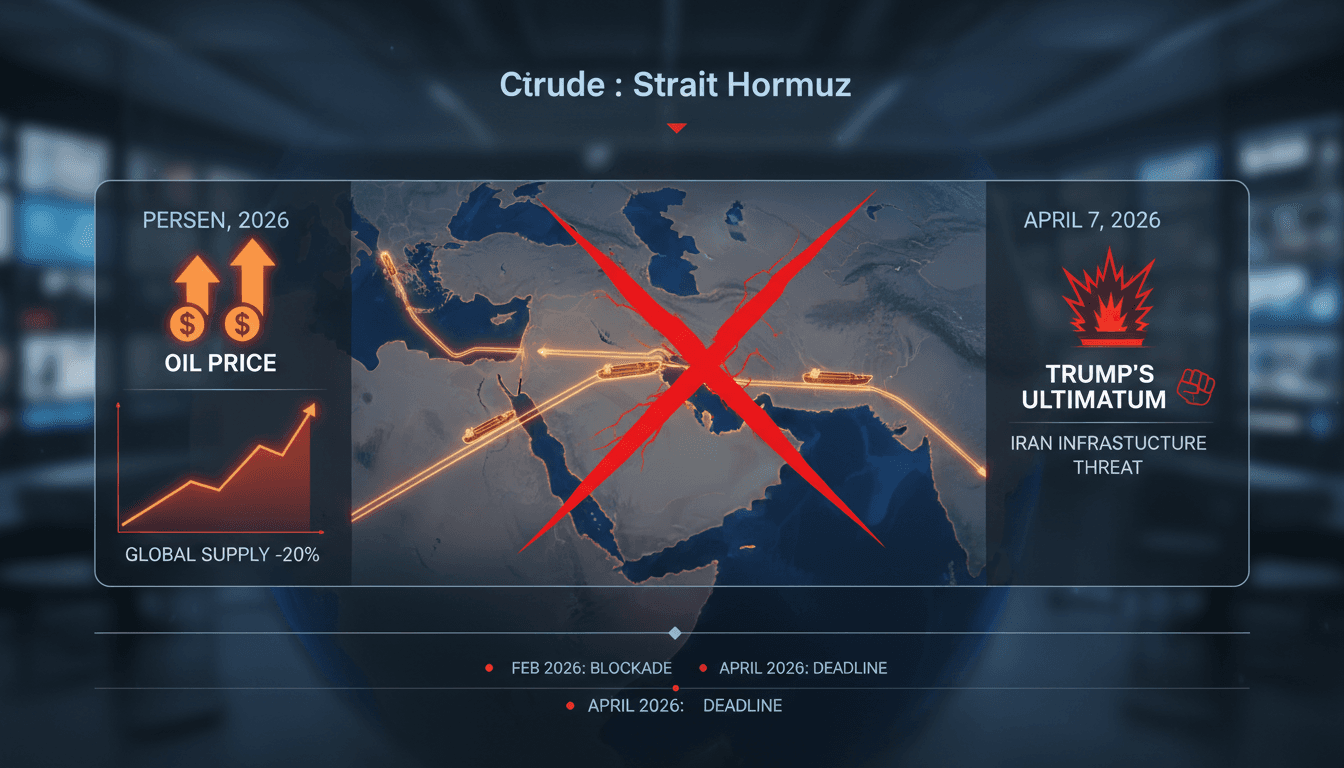
Here's what it means for you.
The escalating tensions in the Strait of Hormuz could significantly impact global energy prices and supply chains, affecting everything from fuel costs to consumer goods.
Why it matters
The ongoing conflict threatens to disrupt approximately 20% of the world's oil supply, which could lead to increased prices and economic instability.
What happened (in 30 seconds)
- On April 7, 2026, President Trump issued an ultimatum to Iran to reopen the Strait of Hormuz by 8 p.m. ET or face destruction of its infrastructure.
- Iran's blockade has been in place since late February 2026, disrupting oil shipments and pushing crude prices above $110 per barrel.
- A two-week extension for negotiations was granted following Pakistan-mediated diplomacy, just hours before the deadline.
The context you actually need
- The U.S.-Israel war with Iran began on February 28, 2026, following failed negotiations over Iran's nuclear program and regional activities.
- Global markets reacted with volatility; while Asian equities advanced, European markets declined, and U.S. indices closed mostly flat amid uncertainty.
- Iran's blockade has led to rising prices for fuel, gas, food, and fertilizers in the Gulf region, prompting heightened military readiness among GCC states.
What's really happening
The ultimatum issued by President Trump is a critical moment in a broader geopolitical conflict that has been escalating since late February 2026. The U.S.-Israel war with Iran was ignited by failed negotiations over Iran's nuclear ambitions and its support for regional proxies. In response to coordinated airstrikes targeting its military and nuclear facilities, Iran retaliated by blockading the Strait of Hormuz, a strategic chokepoint for global oil transit. This blockade has resulted in a significant disruption of oil supplies, accounting for roughly 20% of the world's oil shipments, and has pushed crude prices above $110 per barrel.
The ultimatum's timing is crucial, as it coincided with a tense trading day on Wall Street, where investors were already on edge due to the conflict's implications for global markets. Trump's declaration that "a whole civilization will die tonight" if Iran does not comply underscores the high stakes involved. The volatility in commodities markets reflects this uncertainty; for instance, WTI crude prices rose to their highest levels since 2022, while gold prices also increased as investors sought safe havens.
The extension of the deadline for negotiations, facilitated by Pakistan's intervention, highlights the complexities of international diplomacy in times of crisis. While the immediate threat of military escalation may have been temporarily alleviated, the underlying tensions remain. The U.S. and its allies are prepared to take further action if Iran does not comply with the ultimatum, which could lead to a more prolonged conflict and further disruptions in global oil supply.
The implications of this situation extend beyond immediate military concerns. Countries heavily reliant on oil imports, particularly in Europe and Asia, will feel the economic impact of rising prices and potential shortages. Additionally, the geopolitical landscape is shifting, with GCC states, including the UAE, expressing readiness to support U.S. efforts to reopen the Strait. This could lead to increased military presence in the region, further complicating the situation.
Who feels it first (and how)
- Energy consumers: Higher fuel prices will directly impact households and businesses reliant on oil and gas.
- Global markets: Investors in commodities and equities will experience volatility, affecting portfolio values.
- GCC states: Countries in the Gulf region will face economic pressures due to rising costs and potential military escalations.
What to watch next
- Oil prices: Monitor fluctuations in crude oil prices as negotiations progress or tensions escalate, as this will directly affect global markets.
- Diplomatic developments: Watch for any new proposals or interventions from countries like Pakistan, which could influence the timeline of the conflict.
- Military readiness: Keep an eye on military movements in the Gulf region, particularly among GCC states, which could signal a shift in the conflict's dynamics.
The Strait of Hormuz is critical for global oil supply, and its blockade has already disrupted shipments.
Continued volatility in oil prices and global markets as the situation unfolds.
The long-term implications of the U.S.-Israel-Iran conflict on regional stability and global energy security.
Frequently Asked Questions
- Why it matters?
- The ongoing conflict threatens to disrupt approximately 20% of the world's oil supply, which could lead to increased prices and economic instability.
- What happened (in 30 seconds)?
- On April 7, 2026, President Trump issued an ultimatum to Iran to reopen the Strait of Hormuz by 8 p.m. ET or face destruction of its infrastructure. Iran's blockade has been in place since late February 2026, disrupting oil shipments and pushing crude prices above $110 per barrel. A two-week extension for negotiations was granted following Pakistan-mediated diplomacy, just hours before the deadline.
- What's really happening?
- The ultimatum issued by President Trump is a critical moment in a broader geopolitical conflict that has been escalating since late February 2026. The U.S.-Israel war with Iran was ignited by failed negotiations over Iran's nuclear ambitions and its support for regional proxies. In response to coordinated airstrikes targeting its military and nuclear facilities, Iran retaliated by blockading the Strait of Hormuz, a strategic chokepoint for global oil transit. This blockade has resulted in a sign
- Who feels it first (and how)?
- Energy consumers: Higher fuel prices will directly impact households and businesses reliant on oil and gas. Global markets: Investors in commodities and equities will experience volatility, affecting portfolio values. GCC states: Countries in the Gulf region will face economic pressures due to rising costs and potential military escalations.
- What to watch next?
- Oil prices: Monitor fluctuations in crude oil prices as negotiations progress or tensions escalate, as this will directly affect global markets. Diplomatic developments: Watch for any new proposals or interventions from countries like Pakistan, which could influence the timeline of the conflict. Military readiness: Keep an eye on military movements in the Gulf region, particularly among GCC states, which could signal a shift in the conflict's dynamics.
Macro commentary, policy analysis, growth/inflation themes, and global outlooks.
"Contextual macro coverage that complements day-to-day market headlines."
— A47 Editor
Trading Day: Trump’s Iran deadline looms
President Donald Trump has set a final deadline of 8:00 p.m. ET on Tuesday for Iran to reopen the Strait of Hormuz, a vital maritime route for global oil shipments. This ultimatum comes amid escalating tensions in the region, including military incid...
Global markets, investing, and macroeconomics from a premier financial newsroom.
"Bloomberg is respected for in-depth financial reporting and data-driven analysis."
— A47 Editor
Markets Struggle for Direction Ahead of Trump’s Iran Deadline
Markets are experiencing volatility as President Donald Trump has set a final deadline of 8:00 p.m. ET on Tuesday for Iran to reopen the Strait of Hormuz, a vital maritime route for global oil shipments. This ultimatum comes amid escalating tensions ...
Regional and international reporting focused on Middle Eastern politics, diplomacy, and economics.
"Asharq Al-Awsat is a Saudi-owned international newspaper reflecting mainstream Gulf political perspectives."
— A47 Editor
Trump Says Tuesday Deadline to Make a Deal with Iran Is Final
President Donald Trump has set a final deadline for negotiations with Iran, emphasizing that a deal must be reached by Tuesday. This ultimatum follows a two-week ceasefire aimed at reducing military tensions in the region, which was facilitated by Pa...