
Jamie Dimon Discusses U.S. Economic Resilience Amid Iran War and AI Advancements
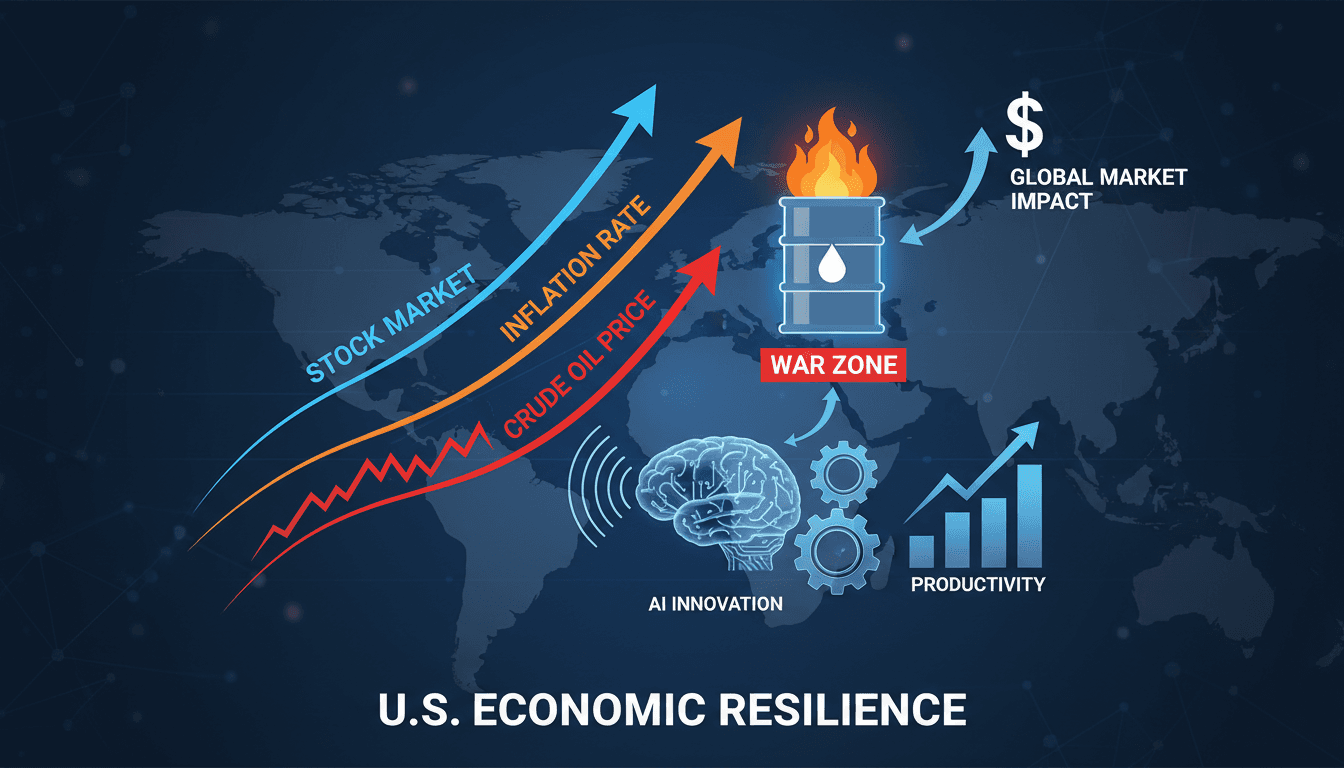
Here's what it means for you.
Your financial stability may be at risk as inflationary pressures mount from geopolitical tensions.
Why it matters
The interplay between geopolitical events and economic indicators can directly affect your investments and cost of living.
What happened (in 30 seconds)
- Jamie Dimon discussed the resilience of the U.S. economy amid the ongoing Iran war during an NPR interview on April 7, 2026.
- Inflation concerns were raised due to potential oil price shocks stemming from the conflict, which could impact interest rates and asset prices.
- AI advancements were highlighted as a transformative force in financial services, promising productivity gains despite current economic challenges.
The context you actually need
- Iran War Impact: The conflict, which began on February 28, 2026, has led to significant disruptions in oil exports, with Brent crude prices exceeding $120 per barrel.
- Market Reactions: The Dubai Financial Market and Abu Dhabi Securities Exchange have collectively lost $120 billion in market capitalization since the war's onset, indicating regional economic strain.
- AI's Role: Dimon emphasized the importance of AI in enhancing productivity within JPMorgan, suggesting a shift in how financial services operate amidst economic uncertainties.
What's really happening
Jamie Dimon's recent NPR interview sheds light on the complex interplay between geopolitical tensions, economic resilience, and technological advancements. The ongoing Iran war has created a precarious situation for the global economy, particularly in the oil market. With the closure of the Strait of Hormuz, a critical chokepoint for oil exports, Brent crude prices have surged past $120 per barrel. This spike in oil prices is a significant concern for inflation, which Dimon referred to as the "skunk at the party."
Inflationary pressures can lead to higher interest rates, which in turn can depress asset prices, affecting your investments and savings. Dimon warned that the U.S. economy, while resilient, is not immune to these shocks. The potential for renewed inflation could lead to a tightening of monetary policy, impacting borrowing costs for consumers and businesses alike.
Moreover, the economic fallout from the Iran war is already evident in the Middle East, where Dubai and Abu Dhabi have experienced a combined market capitalization loss of $120 billion. This decline has resulted in a 16% drop in the Dubai Financial Market General Index, erasing $45 billion in value. The tourism sector, a vital contributor to the region's GDP, is also feeling the strain, with widespread flight cancellations prompting expatriate outflows and property market challenges.
On a more optimistic note, Dimon highlighted the transformative potential of artificial intelligence in financial services. He anticipates that AI will drive productivity gains and reduce the workweek, reshaping how financial institutions operate. This technological shift could provide a counterbalance to the economic challenges posed by geopolitical events, offering new avenues for growth and efficiency.
However, the immediate focus remains on the inflationary risks stemming from the Iran war. As the situation evolves, the U.S. economy's ability to navigate these challenges will be crucial for maintaining stability in both domestic and global markets.
Who feels it first (and how)
- Investors: Facing potential losses in equity markets due to rising inflation and interest rates.
- Consumers: Experiencing increased costs of living as inflation impacts prices for goods and services.
- Tourism Sector: Suffering from reduced travel and tourism revenue due to geopolitical instability.
- Expatriates in Dubai: Feeling the pinch from property market strains and potential job losses.
What to watch next
- Oil Prices: Keep an eye on fluctuations in oil prices, as they will directly impact inflation and economic stability.
- Interest Rate Decisions: Monitor the Federal Reserve's response to inflationary pressures, which could signal changes in monetary policy.
- AI Adoption Rates: Watch for advancements in AI within financial services, as they may reshape job markets and productivity levels.
The Iran war is causing significant disruptions in oil exports and market volatility.
Inflation will rise, leading to potential interest rate hikes and asset price adjustments.
The long-term impact of AI on productivity and employment within financial services remains to be fully understood.
Frequently Asked Questions
- Why it matters?
- The interplay between geopolitical events and economic indicators can directly affect your investments and cost of living.
- What happened (in 30 seconds)?
- Jamie Dimon discussed the resilience of the U.S. economy amid the ongoing Iran war during an NPR interview on April 7, 2026. Inflation concerns were raised due to potential oil price shocks stemming from the conflict, which could impact interest rates and asset prices. AI advancements were highlighted as a transformative force in financial services, promising productivity gains despite current economic challenges.
- What's really happening?
- Jamie Dimon's recent NPR interview sheds light on the complex interplay between geopolitical tensions, economic resilience, and technological advancements. The ongoing Iran war has created a precarious situation for the global economy, particularly in the oil market. With the closure of the Strait of Hormuz, a critical chokepoint for oil exports, Brent crude prices have surged past $120 per barrel. This spike in oil prices is a significant concern for inflation, which Dimon referred to as the "s
- Who feels it first (and how)?
- Investors: Facing potential losses in equity markets due to rising inflation and interest rates. Consumers: Experiencing increased costs of living as inflation impacts prices for goods and services. Tourism Sector: Suffering from reduced travel and tourism revenue due to geopolitical instability. Expatriates in Dubai: Feeling the pinch from property market strains and potential job losses.
- What to watch next?
- Oil Prices: Keep an eye on fluctuations in oil prices, as they will directly impact inflation and economic stability. Interest Rate Decisions: Monitor the Federal Reserve's response to inflationary pressures, which could signal changes in monetary policy. AI Adoption Rates: Watch for advancements in AI within financial services, as they may reshape job markets and productivity levels.
Public radio coverage of American news and issues.
"NPR is an American public media organization known for thoughtful reporting and a slightly left-leaning editorial tone."
— A47 Editor
JP Morgan CEO talks about the economy, the Iran war and AI
JP Morgan CEO Jamie Dimon discussed the current economic landscape, the ongoing war in Iran, and the implications of artificial intelligence during an interview with NPR's Steve Inskeep. Dimon highlighted the potential economic repercussions of the c...
Real-time updates, analysis, and reports on the blockchain and cryptocurrency sectors.
"Crypto News delivers real-time updates, analysis, and reports on the blockchain and cryptocurrency sectors."
— A47 Editor
JPMorgan CEO says AI will transform banking faster than the internet era
Jamie Dimon, CEO of JPMorgan Chase, has stated in his latest shareholder letter that artificial intelligence (AI) is poised to transform the banking industry more rapidly than the internet did, highlighting the significant role AI will play in the ba...