
US Imposes Sanctions on Iranian Oil Shipping Network Led by Mohammad Hossein Shamkhani
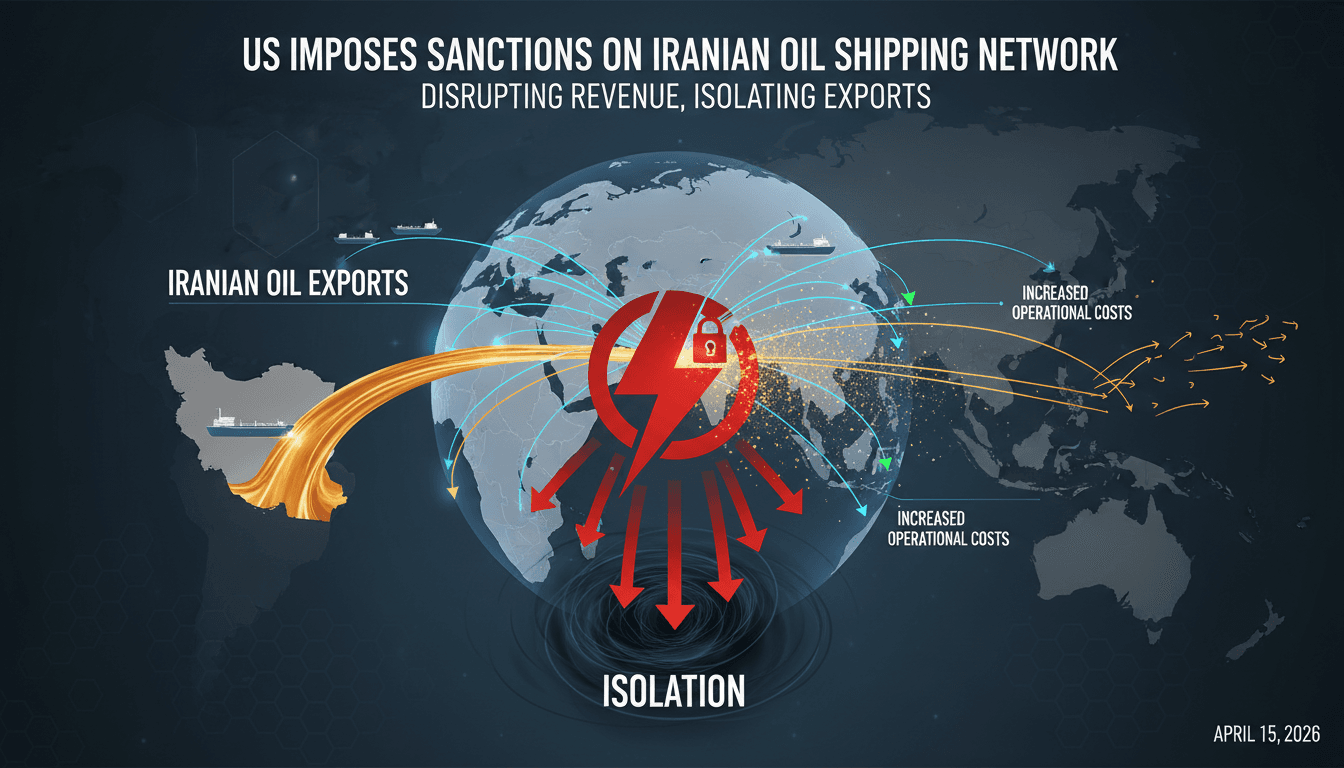
Here's what it means for you.
If you’re involved in global oil markets or shipping logistics, these sanctions could disrupt your operations and increase costs.
Why it matters
These sanctions are part of a broader strategy to undermine Iran's revenue streams, impacting global oil supply chains and pricing.
What happened (in 30 seconds)
- On April 15, 2026, the U.S. Treasury imposed sanctions on over two dozen individuals and entities linked to Iran's oil smuggling network.
- Mohammad Hossein Shamkhani, the network's leader, is targeted alongside UAE-based facilitators and vessels transporting Iranian and Russian oil.
- The sanctions aim to disrupt funding for the Iranian regime and its proxies, including Hizballah, amid heightened enforcement of existing restrictions.
The context you actually need
- The sanctions are part of a revived maximum pressure campaign initiated by the Trump administration, focusing on Iran's illicit oil exports.
- Previous sanctions have already targeted over 1,000 individuals and entities, indicating a sustained effort to limit Iran's economic capabilities.
- The death of Ali Shamkhani in February 2026 escalated tensions, prompting a more aggressive U.S. stance against Iran's oil transportation infrastructure.
What's really happening
The recent sanctions against Iran's oil shipping network, particularly targeting Mohammad Hossein Shamkhani, represent a significant escalation in the U.S. strategy to curb Iran's oil exports. This action is part of the broader maximum pressure campaign that aims to financially isolate the Iranian regime and its affiliates, including militant groups like Hizballah. The U.S. Treasury's Office of Foreign Assets Control (OFAC) has been systematically dismantling the infrastructure that supports Iran's oil smuggling operations, which have been crucial for the regime's revenue generation.
The Shamkhani network has been particularly adept at evading sanctions through sophisticated methods such as ship-to-ship transfers and Automatic Identification System (AIS) spoofing. These tactics have allowed Iran to continue exporting oil despite previous restrictions, generating billions in revenue. The recent sanctions specifically target vessels like AURA and CAUVERI, which have been implicated in transporting Iranian liquefied petroleum gas (LPG) and Russian oil products.
The sanctions also extend to UAE-based entities that have facilitated these operations, highlighting the interconnectedness of global shipping networks and the potential for collateral damage in regions like Dubai. As a result, businesses operating in these areas may face increased scrutiny and compliance costs, which could disrupt logistics and impact job security in the maritime sector.
Moreover, the U.S. decision not to renew temporary waivers for stranded Iranian oil cargoes has intensified pressure on Tehran, forcing it to adapt quickly to the evolving sanctions landscape. This could lead to a shift in operational tactics among shadow fleet operators, who may seek alternative flags or facilitators to continue their activities, albeit at higher insurance and operational costs.
The implications of these sanctions extend beyond immediate financial impacts; they signal a commitment from the U.S. to maintain pressure on Iran and its allies, potentially leading to further geopolitical tensions in the region. As the situation evolves, the effectiveness of these sanctions in curbing Iran's oil exports and the broader ramifications for global oil markets remain to be seen.
Who feels it first (and how)
- Maritime shipping companies: Increased compliance costs and operational disruptions.
- Oil traders: Potential volatility in oil prices and supply chain uncertainties.
- UAE-based businesses: Heightened scrutiny and risks to operations in free zones.
- Iranian regime: Strained revenue streams impacting governance and military funding.
What to watch next
- Changes in oil prices: Fluctuations could indicate market reactions to the sanctions and their effectiveness.
- Operational shifts among shadow fleet operators: Monitoring how these entities adapt could reveal vulnerabilities in Iran's evasion tactics.
- Responses from the Iranian government: Any retaliatory measures or policy changes could escalate tensions further.
The U.S. has imposed sanctions targeting Iran's oil shipping network.
Increased operational costs for shipping companies and potential disruptions in oil supply chains.
The long-term effectiveness of these sanctions in curbing Iran's oil exports and the geopolitical ramifications.
Frequently Asked Questions
- Why it matters?
- These sanctions are part of a broader strategy to undermine Iran's revenue streams, impacting global oil supply chains and pricing.
- What happened (in 30 seconds)?
- On April 15, 2026, the U.S. Treasury imposed sanctions on over two dozen individuals and entities linked to Iran's oil smuggling network. Mohammad Hossein Shamkhani, the network's leader, is targeted alongside UAE-based facilitators and vessels transporting Iranian and Russian oil. The sanctions aim to disrupt funding for the Iranian regime and its proxies, including Hizballah, amid heightened enforcement of existing restrictions.
- What's really happening?
- The recent sanctions against Iran's oil shipping network, particularly targeting Mohammad Hossein Shamkhani, represent a significant escalation in the U.S. strategy to curb Iran's oil exports. This action is part of the broader maximum pressure campaign that aims to financially isolate the Iranian regime and its affiliates, including militant groups like Hizballah. The U.S. Treasury's Office of Foreign Assets Control (OFAC) has been systematically dismantling the infrastructure that supports Ira
- Who feels it first (and how)?
- Maritime shipping companies: Increased compliance costs and operational disruptions. Oil traders: Potential volatility in oil prices and supply chain uncertainties. UAE-based businesses: Heightened scrutiny and risks to operations in free zones. Iranian regime: Strained revenue streams impacting governance and military funding.
- What to watch next?
- Changes in oil prices: Fluctuations could indicate market reactions to the sanctions and their effectiveness. Operational shifts among shadow fleet operators: Monitoring how these entities adapt could reveal vulnerabilities in Iran's evasion tactics. Responses from the Iranian government: Any retaliatory measures or policy changes could escalate tensions further.
Regional coverage and analysis focused on politics, diplomacy, and business across the Middle East.
"Al-Monitor is known for analytical reporting on Middle East politics and policy developments."
— A47 Editor
US targets Iran's oil transportation infrastructure with sanctions
The U.S. Treasury Department has imposed sanctions targeting Iran's oil transportation infrastructure, affecting over two dozen individuals, companies, and vessels linked to Iranian oil shipping magnate Mohammad Hossein Shamkhani. This action follows...
Oil, metals, and agriculture: supply/demand headlines, OPEC chatter, inventories, and price action.
"Solid tape for energy and metals traders tracking macro and micro catalysts."
— A47 Editor
US targets Iran’s oil transportation infrastructure with sanctions
The United States has imposed sanctions targeting Iran's oil transportation infrastructure, intensifying economic pressure on Tehran amid ongoing geopolitical tensions. This move follows the collapse of peace negotiations between the two nations, lea...