
Trump Issues Ultimatum to Iran Over Strait of Hormuz Amid Escalating Tensions
Here's what it means for you.
If you're in the energy sector or rely on oil, the recent tensions could directly impact prices and availability.
Why it matters
The closure of the Strait of Hormuz threatens a significant portion of global oil supply, with potential ripple effects on economies worldwide.
What happened (in 30 seconds)
- On April 7, 2026, President Trump issued a stark ultimatum to Iran, threatening the annihilation of its civilization unless the Strait of Hormuz reopened.
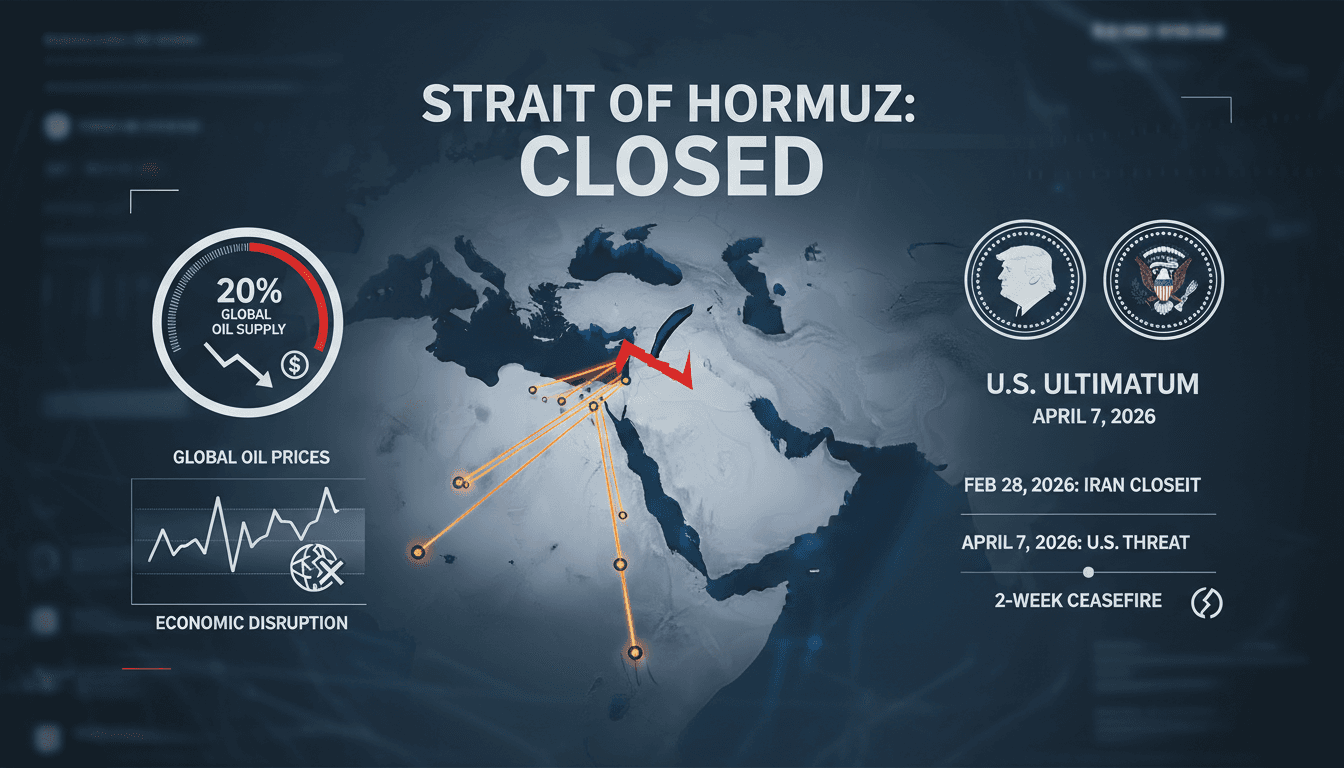
- This followed Iran's closure of the strait on February 28, disrupting 21 million barrels of oil per day, which constitutes about 20% of global supply.
- A fragile ceasefire was established hours after Trump's threat, but it raised questions about U.S. credibility and alliances amidst ongoing geopolitical tensions.
The context you actually need
- The 2025–2026 U.S.-Iran conflict arose from failed nuclear negotiations and military strikes, escalating into a critical standoff over oil supply routes.
- The Strait of Hormuz is a vital waterway for oil transport, making its closure a significant concern for global markets and energy security.
- Trump's rhetoric and military posturing reflect a strategy of regime pressure, which has led to heightened tensions and potential long-term consequences for U.S. foreign relations.
What's really happening
The recent escalation in the U.S.-Iran conflict is rooted in a complex interplay of geopolitical strategies, economic dependencies, and historical grievances. The Strait of Hormuz, a narrow passage through which approximately 21 million barrels of oil transit daily, has become a focal point of international tension. The closure of this vital waterway by Iran on February 28, 2026, was a direct response to U.S. military actions and sanctions, which Iran perceives as existential threats.
President Trump's ultimatum on April 7, 2026, was not just a dramatic statement; it was a calculated move aimed at pressuring Iran into compliance. By threatening the annihilation of Iranian civilization, Trump sought to galvanize both domestic and international support for a hardline stance against Tehran. However, this approach risks alienating U.S. allies and undermining American credibility in the region. The immediate aftermath saw both the U.S. and Iran claiming victories in the ceasefire negotiations, despite conflicting narratives about the terms.
The implications of this standoff extend beyond immediate military concerns. The disruption of oil supplies can lead to significant price fluctuations, as seen with Brent crude prices rising to $126 per barrel and the Dubai crude benchmark nearing $170. Such increases directly affect consumers and businesses, particularly in oil-dependent economies like the UAE, where rising fuel costs can strain household budgets and operational expenses.
Moreover, the fragile ceasefire raises questions about the sustainability of U.S. foreign policy. Allies are beginning to express doubts about America's commitment to maintaining stability in the region, especially as Trump has criticized NATO and other alliances. The potential for renewed hostilities remains high, particularly if Iran perceives the ceasefire as a tactical pause rather than a genuine opportunity for dialogue.
In essence, the current situation reflects a broader struggle for influence in the Middle East, where energy resources and military capabilities intersect with national interests and international diplomacy. The outcome of this standoff will likely shape the geopolitical landscape for years to come, affecting everything from oil prices to global alliances.
Who feels it first (and how)
- Energy sector professionals: Oil companies and traders will experience immediate impacts on pricing and supply chain logistics.
- Consumers in oil-dependent regions: Rising fuel prices will affect transportation costs and overall living expenses.
- U.S. allies in the Middle East: Nations relying on stable oil supplies may face economic pressures and security concerns.
What to watch next
- Oil price fluctuations: Monitor Brent and Dubai crude prices for signs of market stability or further volatility, as they directly affect global economies.
- Diplomatic negotiations: Watch for developments in U.S.-Iran talks, as any breakdown could lead to renewed military action and further supply disruptions.
- Regional military movements: Keep an eye on U.S. and Iranian military deployments in the Gulf, as escalations could signal a shift toward conflict.
The Strait of Hormuz is critical for global oil supply, with 21 million barrels transiting daily.
Continued tensions between the U.S. and Iran will affect oil prices and international relations.
The long-term impact on U.S. credibility and alliances in the Middle East remains uncertain.
Frequently Asked Questions
- Why it matters?
- The closure of the Strait of Hormuz threatens a significant portion of global oil supply, with potential ripple effects on economies worldwide.
- What happened (in 30 seconds)?
- On April 7, 2026, President Trump issued a stark ultimatum to Iran, threatening the annihilation of its civilization unless the Strait of Hormuz reopened. This followed Iran's closure of the strait on February 28, disrupting 21 million barrels of oil per day, which constitutes about 20% of global supply. A fragile ceasefire was established hours after Trump's threat, but it raised questions about U.S. credibility and alliances amidst ongoing geopolitical tensions.
- What's really happening?
- The recent escalation in the U.S.-Iran conflict is rooted in a complex interplay of geopolitical strategies, economic dependencies, and historical grievances. The Strait of Hormuz, a narrow passage through which approximately 21 million barrels of oil transit daily, has become a focal point of international tension. The closure of this vital waterway by Iran on February 28, 2026, was a direct response to U.S. military actions and sanctions, which Iran perceives as existential threats. President
- Who feels it first (and how)?
- Energy sector professionals: Oil companies and traders will experience immediate impacts on pricing and supply chain logistics. Consumers in oil-dependent regions: Rising fuel prices will affect transportation costs and overall living expenses. U.S. allies in the Middle East: Nations relying on stable oil supplies may face economic pressures and security concerns.
- What to watch next?
- Oil price fluctuations: Monitor Brent and Dubai crude prices for signs of market stability or further volatility, as they directly affect global economies. Diplomatic negotiations: Watch for developments in U.S.-Iran talks, as any breakdown could lead to renewed military action and further supply disruptions. Regional military movements: Keep an eye on U.S. and Iranian military deployments in the Gulf, as escalations could signal a shift toward conflict.
Global news coverage with extensive reporting on Middle Eastern conflicts and geopolitics.
"Al Jazeera is a Qatar-based broadcaster known for wide regional coverage and alternative perspectives."
— A47 Editor
How Trump’s promise to ‘wipe out’ Iran could backfire on US power
U.S. President Donald Trump has escalated tensions with Iran by issuing a stark ultimatum, threatening military action against critical infrastructure if Iran does not comply with demands regarding the reopening of the Strait of Hormuz. This threat h...
Comprehensive coverage of Middle Eastern and global issues.
"Al Jazeera is a prominent voice from the Global South, especially the Middle East, with an emphasis on underreported stories."
— A47 Editor
How Trump’s promise to ‘wipe out’ Iran could backfire on US power
U.S. President Donald Trump has escalated tensions with Iran by issuing a stark ultimatum, threatening military action against critical infrastructure if Iran does not comply with demands regarding the reopening of the Strait of Hormuz. This threat h...
International stories from NPR’s global desk.
"NPR is an American public media organization known for thoughtful reporting and a slightly left-leaning editorial tone."
— A47 Editor
How Trump's threats to Iran have affected the global economy
Tensions between the United States and Iran have escalated as President Trump issued severe threats demanding the reopening of the strategic Strait of Hormuz, warning of dire consequences if a deal is not reached. This ultimatum has significant impli...
Coverage of current events and conflicts in the Middle East.
"France 24 is viewed as a globally focused outlet with balanced coverage and a European perspective."
— A47 Editor
Trump's threatened destruction of Iranian infrastructure could be a war crime, legal experts say
U.S. President Donald Trump has threatened to bomb Iranian infrastructure, including bridges and power plants, if Iran does not comply with demands to reopen the Strait of Hormuz by a specified deadline. Legal experts warn that such actions could con...
European coverage of Middle East politics and security issues.
"France 24 offers international reporting with a European editorial perspective."
— A47 Editor
Trump's threatened destruction of Iranian infrastructure could be a war crime, legal experts say
U.S. President Donald Trump has threatened to bomb Iranian infrastructure, including bridges and power plants, if Iran does not comply with demands to reopen the Strait of Hormuz by a specified deadline. Legal experts warn that such actions could con...
English-language news from Qatar covering domestic and regional affairs.
"Gulf Times reflects Qatari perspectives on regional developments."
— A47 Editor
Trump threatens ‘to take out Iran in one night’
US President Donald Trump has escalated threats against Iran, stating he would target critical infrastructure, including bridges and power plants, if Tehran does not comply with demands regarding the reopening of the Strait of Hormuz. This warning fo...
News across North, Central, and South America including politics and economics.
"France 24 is viewed as a globally focused outlet with balanced coverage and a European perspective."
— A47 Editor
Trump steps up Iran threats, highlights successful rescue mission
U.S. President Donald Trump has escalated threats against Iran, stating he would destroy critical infrastructure, including bridges and power plants, if Tehran does not comply with demands to reopen the Strait of Hormuz by a specified deadline. This ...