
Brent Crude Oil Prices Surge Amid U.S. Ultimatum to Iran Over Strait of Hormuz
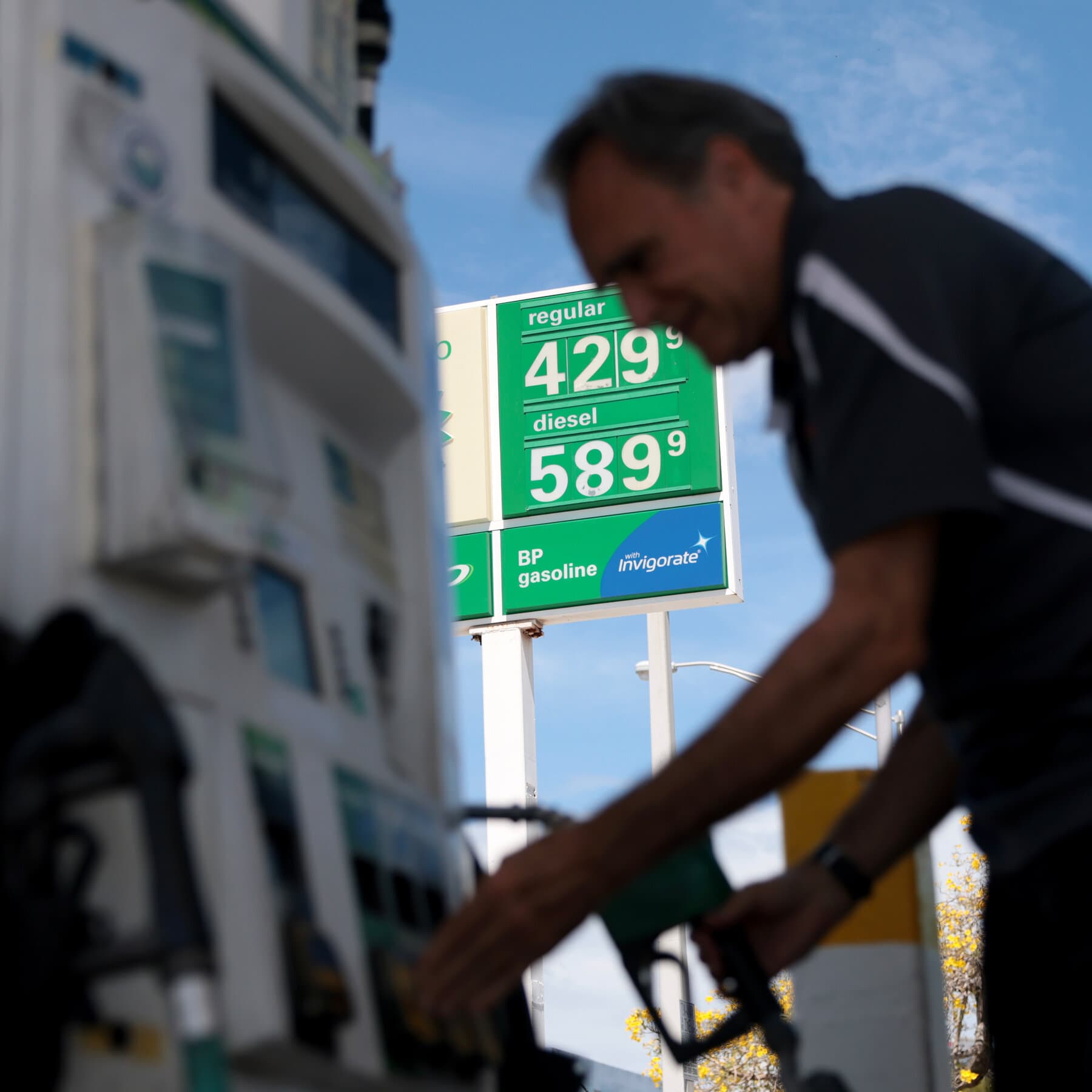
Here's what it means for you.
If you drive or rely on oil-based products, expect increased costs and potential supply disruptions.
Why it matters
The ongoing U.S.-Iran conflict is significantly impacting global oil prices, which can lead to inflation and economic instability.
What happened (in 30 seconds)
- Oil prices surged: Brent crude rose 1.5% to $111 per barrel on April 7, 2026, reflecting a 52% increase since the war began.
- Deadline looming: U.S. President Donald Trump set an ultimatum for Iran to reopen the Strait of Hormuz by April 8, 2026, or face military action.
- Supply disruptions: The Strait of Hormuz remains effectively closed, causing shipping volumes to plummet and prices to climb.
The context you actually need
- Geopolitical tensions: The U.S.-Iran war, which started on February 28, 2026, has led to significant disruptions in oil supply, affecting global markets.
- OPEC+ concerns: With oil prices soaring, OPEC+ nations are worried about infrastructure damage and the long-term viability of oil exports.
- Economic implications: Rising oil prices can lead to inflationary pressures, impacting consumers and businesses worldwide.
What's really happening
The recent spike in Brent crude oil prices is largely driven by escalating tensions between the U.S. and Iran, particularly surrounding the Strait of Hormuz—a crucial maritime passage for oil shipments. The U.S.-Iran war, which commenced on February 28, 2026, has already caused a significant supply shock, with oil prices climbing over 50% due to the closure of this vital chokepoint.
The Strait of Hormuz is responsible for approximately 20% of global oil flows, making its accessibility critical for maintaining stable oil prices. As Iran closed the strait in response to U.S. and Israeli military actions, global shipping volumes have dropped dramatically, leading to a scarcity of oil in the market. This scarcity has prompted traders to push prices higher, as they anticipate further disruptions.
President Trump’s ultimatum to Iran, demanding the reopening of the Strait by April 8, 2026, has added another layer of urgency to the situation. The threat of U.S. military strikes on Iranian infrastructure, including power plants and bridges, has heightened fears of an escalation in hostilities, which could further disrupt oil supplies. The market is reacting to these geopolitical risks, with analysts noting that prices could continue to rise if tensions do not de-escalate.
In the background, OPEC+ is grappling with the implications of these price increases. The coalition is considering a production hike of 206,000 barrels per day in May to stabilize the market, but concerns about damaged infrastructure in Iran complicate their plans. The ongoing conflict has also stalled negotiations for a ceasefire, as Iran demands a permanent end to hostilities and sanctions relief, rather than temporary measures.
As a result, the oil market is in a precarious position, with traders hedging against potential further escalations. The fear of stagflation—where inflation rises while economic growth stagnates—has begun to permeate market sentiment, leading to a cautious approach among investors.
Who feels it first (and how)
- Consumers: Higher fuel prices directly impact daily commuting and transportation costs.
- Businesses: Companies reliant on oil for logistics and production face increased operational costs.
- Investors: Stock markets are reacting to volatility, particularly in sectors sensitive to oil prices, such as transportation and manufacturing.
- Middle-income households: Increased fuel costs can strain budgets, particularly for those commuting long distances or using oil-based heating.
What to watch next
- Iran's response: How Iran reacts to the U.S. ultimatum will be crucial. A refusal could lead to military escalation and further supply disruptions.
- OPEC+ decisions: Watch for OPEC+ announcements regarding production levels. Adjustments could stabilize or exacerbate price fluctuations.
- Global economic indicators: Monitor inflation rates and consumer spending. Rising oil prices could lead to broader economic impacts, affecting growth forecasts.
Oil prices have risen to $111 per barrel due to geopolitical tensions.
Further escalation in the U.S.-Iran conflict could lead to additional supply disruptions and price increases.
The long-term impact on global oil supply and economic stability remains uncertain.
Frequently Asked Questions
- Why it matters?
- The ongoing U.S.-Iran conflict is significantly impacting global oil prices, which can lead to inflation and economic instability.
- What happened (in 30 seconds)?
- Oil prices surged: Brent crude rose 1.5% to $111 per barrel on April 7, 2026, reflecting a 52% increase since the war began. Deadline looming: U.S. President Donald Trump set an ultimatum for Iran to reopen the Strait of Hormuz by April 8, 2026, or face military action. Supply disruptions: The Strait of Hormuz remains effectively closed, causing shipping volumes to plummet and prices to climb.
- What's really happening?
- The recent spike in Brent crude oil prices is largely driven by escalating tensions between the U.S. and Iran, particularly surrounding the Strait of Hormuz—a crucial maritime passage for oil shipments. The U.S.-Iran war, which commenced on February 28, 2026, has already caused a significant supply shock, with oil prices climbing over 50% due to the closure of this vital chokepoint. The Strait of Hormuz is responsible for approximately 20% of global oil flows, making its accessibility critical
- Who feels it first (and how)?
- Consumers: Higher fuel prices directly impact daily commuting and transportation costs. Businesses: Companies reliant on oil for logistics and production face increased operational costs. Investors: Stock markets are reacting to volatility, particularly in sectors sensitive to oil prices, such as transportation and manufacturing. Middle-income households: Increased fuel costs can strain budgets, particularly for those commuting long distances or using oil-based heating.
- What to watch next?
- Iran's response: How Iran reacts to the U.S. ultimatum will be crucial. A refusal could lead to military escalation and further supply disruptions. OPEC+ decisions: Watch for OPEC+ announcements regarding production levels. Adjustments could stabilize or exacerbate price fluctuations. Global economic indicators: Monitor inflation rates and consumer spending. Rising oil prices could lead to broader economic impacts, affecting growth forecasts.
Markets desk coverage, trading insights, and investor updates.
"WSJ’s markets reporting provides in-depth analysis and context for investors."
— A47 Editor
Oil Beats Retreat as Trump Suspends Planned Strikes
Oil futures experienced a decline after President Trump announced a two-week suspension of planned military strikes against Iran, contingent upon Iran reopening the Strait of Hormuz to shipping. This decision reflects a significant shift in U.S. fore...
Markets, economy, and company analysis from NYT’s business desk.
"The New York Times is a globally recognized newspaper offering authoritative reporting with a center-left editorial stance."
— A47 Editor
Oil and Stock Prices Reverse Some Moves as a Peace Deal Remains Uncertain
Oil prices surged following President Trump's rejection of a cease-fire proposal with Iran, which he deemed insufficient, as the deadline for negotiations approaches. The national average for gas prices in the U.S. rose to $4.14 a gallon amid these e...
Top international stories selected by The Guardian editors.
"The Guardian is known for its progressive editorial stance and in-depth analysis."
— A47 Editor
Oil back above $110 in volatile markets as Trump deadline looms for Iran to reopen strait – business live
Oil prices have surged above $110 amid escalating tensions between the U.S. and Iran, as President Trump demands the reopening of the strategic Strait of Hormuz within 48 hours or face military action. This ultimatum has heightened market volatility,...
UK and international business news, economics, and corporate coverage.
"The Guardian’s business section covers finance and markets with a progressive editorial tone."
— A47 Editor
Oil back above $110 in volatile markets as Trump deadline looms for Iran to reopen strait – business live
Oil prices have surged back above $110 per barrel amid escalating tensions between the U.S. and Iran, as President Trump issues severe threats demanding the reopening of the Strait of Hormuz. The situation remains volatile, with analysts noting that ...
Global markets, investing, and macroeconomics from a premier financial newsroom.
"Bloomberg is respected for in-depth financial reporting and data-driven analysis."
— A47 Editor
European Gas Ticks Higher as Trump Threatens Iran War Escalation
European natural gas prices have increased following U.S. President Donald Trump's heightened threats against Iran, warning of severe consequences if his demands for a deal are not met by an impending deadline. This escalation in rhetoric has raised ...