
NATO Secretary General Proposes Allied Naval Support for Strait of Hormuz Security
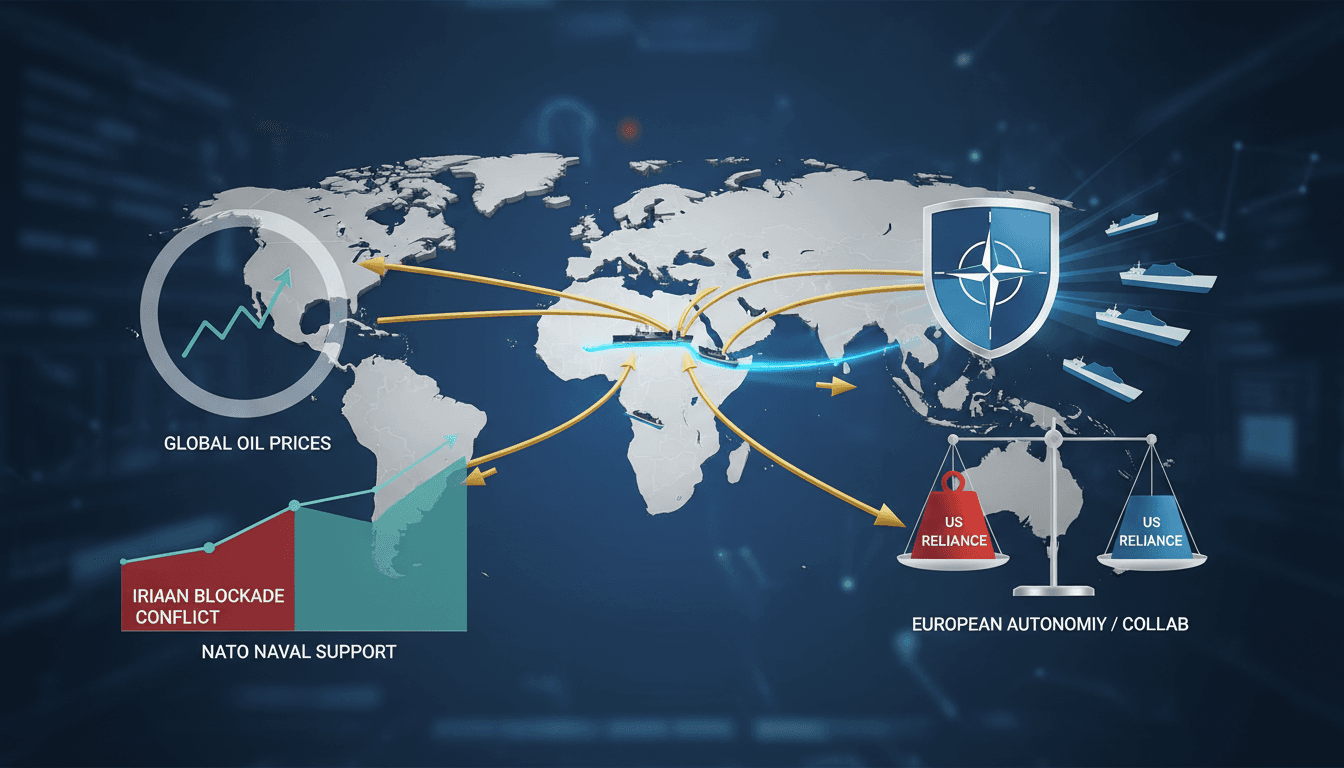
Here's what it means for you.
The evolving security landscape in the Strait of Hormuz could impact global oil prices and supply chains, affecting businesses and consumers worldwide.
Why it matters
The Strait of Hormuz is a critical chokepoint for global oil trade, with approximately 20-27% of seaborne oil passing through it.
What happened (in 30 seconds)
- Mark Rutte, NATO Secretary General, announced potential allied naval contributions to secure the Strait of Hormuz during a speech in Washington, D.C.
- The UK is leading a coalition of over 30 nations to ensure free passage through the strait amid a fragile US-Iran ceasefire.
- US President Trump expressed disappointment over NATO allies' limited support during the ongoing crisis.
The context you actually need
- The 2026 Strait of Hormuz crisis began when Iran blockaded the strait in late February 2026, escalating tensions following US and Israeli military strikes.
- Oil prices surged due to shipping disruptions and fears of prolonged conflict, with the strait being vital for global energy supplies.
- Transatlantic tensions have been highlighted by Trump's criticisms of NATO's perceived lack of support, emphasizing a shift from US dependency to a more collaborative approach among allies.
What's really happening
The situation in the Strait of Hormuz is a complex interplay of military, political, and economic factors, driven by historical dependencies and current geopolitical tensions. The crisis began with Iran's blockade in late February 2026, a direct response to US and Israeli strikes on its territory. This blockade has significant implications, as the strait is a crucial artery for global oil transport, with around 20 million barrels of oil transiting daily. The closure has already led to shipping disruptions and a surge in oil prices, impacting economies worldwide.
NATO Secretary General Mark Rutte's remarks signal a pivotal shift in the alliance's approach to security in the region. By suggesting that NATO allies may contribute naval assets, Rutte is advocating for a collective response that reduces Europe's historical reliance on the United States for military security. This "mindset shift" is essential as it reflects a growing recognition among European nations of the need to bolster their own defense capabilities and take a more active role in regional security.
The UK-led coalition of over 30 nations is a testament to this shift. It aims to align military, political, and economic tools to ensure free passage through the strait. The coalition's formation comes amid a fragile ceasefire between the US and Iran, which remains tenuous as Iran continues to assert control over the strait. The coalition's efforts are critical not only for maintaining the flow of oil but also for stabilizing the broader regional security landscape.
Trump's criticism of NATO allies for insufficient support underscores the pressure on European nations to step up. His demand for commitments within days reflects the urgency of the situation, as the US grapples with its own military and diplomatic challenges. The response from NATO allies, particularly the UK's leadership, will be closely watched as it may redefine the future of transatlantic security cooperation.
In summary, the dynamics in the Strait of Hormuz are not just about military presence; they are about redefining relationships among allies and addressing the underlying vulnerabilities that have characterized US-European relations in recent years. The outcome of these developments will have far-reaching implications for global energy markets and geopolitical stability.
Who feels it first (and how)
- Oil and gas companies: Increased volatility in oil prices affects profitability and operational planning.
- Shipping and logistics firms: Disruptions in the Strait of Hormuz can lead to delays and increased shipping costs.
- Consumers: Rising oil prices can translate to higher costs for goods and services, impacting household budgets.
- Governments: Nations dependent on oil imports may face economic pressures and public discontent due to rising energy costs.
What to watch next
- Coalition developments: Monitor the progress of the UK-led coalition and its effectiveness in securing the strait, as this will influence global oil supply stability.
- US-Iran negotiations: Watch for any shifts in the ceasefire terms and potential escalations, which could impact regional security and oil prices.
- European defense spending: Keep an eye on commitments from NATO allies regarding increased defense budgets, as this may signal a long-term shift in military readiness and capabilities.
The Strait of Hormuz is a critical chokepoint for global oil trade, with significant economic implications.
NATO allies will increase their military presence in the region to support maritime security efforts.
The long-term effectiveness of the coalition in maintaining stability and preventing further escalations in the region.
Frequently Asked Questions
- Why it matters?
- The Strait of Hormuz is a critical chokepoint for global oil trade, with approximately 20-27% of seaborne oil passing through it.
- What happened (in 30 seconds)?
- Mark Rutte, NATO Secretary General, announced potential allied naval contributions to secure the Strait of Hormuz during a speech in Washington, D.C. The UK is leading a coalition of over 30 nations to ensure free passage through the strait amid a fragile US-Iran ceasefire. US President Trump expressed disappointment over NATO allies' limited support during the ongoing crisis.
- What's really happening?
- The situation in the Strait of Hormuz is a complex interplay of military, political, and economic factors, driven by historical dependencies and current geopolitical tensions. The crisis began with Iran's blockade in late February 2026, a direct response to US and Israeli strikes on its territory. This blockade has significant implications, as the strait is a crucial artery for global oil transport, with around 20 million barrels of oil transiting daily. The closure has already led to shipping d
- Who feels it first (and how)?
- Oil and gas companies: Increased volatility in oil prices affects profitability and operational planning. Shipping and logistics firms: Disruptions in the Strait of Hormuz can lead to delays and increased shipping costs. Consumers: Rising oil prices can translate to higher costs for goods and services, impacting household budgets. Governments: Nations dependent on oil imports may face economic pressures and public discontent due to rising energy costs.
- What to watch next?
- Coalition developments: Monitor the progress of the UK-led coalition and its effectiveness in securing the strait, as this will influence global oil supply stability. US-Iran negotiations: Watch for any shifts in the ceasefire terms and potential escalations, which could impact regional security and oil prices. European defense spending: Keep an eye on commitments from NATO allies regarding increased defense budgets, as this may signal a long-term shift in military readiness and capabilities.
U.S. political news and right-leaning commentary.
"Fox News is a highly influential conservative news outlet known for right-leaning political commentary and coverage."
— A47 Editor
NATO chief signals allies may act on Hormuz, warns of ‘unhealthy codependence’ on US
NATO Secretary-General Mark Rutte indicated that allies may take action to secure the Strait of Hormuz following a meeting with President Trump, who expressed dissatisfaction with NATO's support amid rising tensions with Iran. The White House has sta...
Capitol Hill news, legislation, and policy insight.
"The Hill specializes in U.S. politics and policy, with a focus on Capitol Hill developments and a reputation for insider reporting."
— A47 Editor
Rutte says NATO allies 'were a bit slow, to say the least' on Iran war
NATO Secretary-General Mark Rutte stated that NATO allies were 'a bit slow' in providing support to the U.S. during President Trump's military actions against Iran, emphasizing that they were unaware of the plans beforehand.
International coverage of politics, security, and social issues.
"Global News is a mainstream Canadian outlet with a centrist editorial stance, focusing on factual reporting."
— A47 Editor
NATO chief says he understands Trump’s ‘disappointment’ with allies on Iran
NATO Secretary-General Mark Rutte expressed understanding of President Trump's disappointment with NATO allies regarding their support in the ongoing conflict in Iran, while also voicing support for U.S. military actions. This acknowledgment came dur...
News from the United States including domestic politics, society, and culture.
"Global News is a mainstream Canadian media outlet generally considered to have a centrist editorial stance, covering news with a focus on factual reporting and national interest."
— A47 Editor
NATO chief says he understands Trump’s ‘disappointment’ with allies on Iran
NATO Secretary-General Mark Rutte expressed understanding of President Trump's disappointment with NATO allies regarding their support in the ongoing conflict in Iran, while also voicing support for U.S. military actions. This acknowledgment came dur...
Capitol Hill news, legislation, and policy insight.
"The Hill specializes in U.S. politics and policy, with a focus on Capitol Hill developments and a reputation for insider reporting."
— A47 Editor
NATO chief: US, Iran conflict could lead to 'North Korea moment'
NATO Secretary-General Mark Rutte warned that escalating tensions between the U.S. and Iran could lead to a situation akin to a 'North Korea moment,' posing significant risks to other nations. This statement was made during an interview with CNN, hig...
Global business headlines with AI angles.
"General business outlet that frequently covers AI."
— A47 Editor
NATO Secretary General Reportedly Says Trump Wants Concrete Commitments On Strait Of Hormuz Within Days
NATO Secretary General Mark Rutte has informed European leaders that President Donald Trump is seeking concrete commitments regarding the passage through the Strait of Hormuz within days, as negotiations are set to take place in Pakistan. This reques...
Arabic-language coverage of political affairs and current events.
"Okaz political coverage typically follows mainstream Saudi framing on national and regional affairs."
— A47 Editor
أمريكا تطالب «الناتو» بتعهدات محددة لتأمين «هرمز»
The United States has demanded specific commitments from its European allies regarding their assistance in securing navigation through the Strait of Hormuz. This request was made during discussions between U.S. officials and NATO representatives at t...
Capitol Hill news, legislation, and policy insight.
"The Hill specializes in U.S. politics and policy, with a focus on Capitol Hill developments and a reputation for insider reporting."
— A47 Editor
Watch live: NATO's Mark Rutte gives remarks after meeting with Trump
NATO Secretary-General Mark Rutte delivered remarks following a meeting with President Donald Trump, addressing threats to the military alliance amidst ongoing tensions related to the conflict in the Middle East. This meeting comes as Trump has expre...
Regional coverage and analysis focused on politics, diplomacy, and business across the Middle East.
"Al-Monitor is known for analytical reporting on Middle East politics and policy developments."
— A47 Editor
NATO's Rutte told allies Trump wants Hormuz commitments within days, diplomats say
NATO Secretary General Mark Rutte has informed European allies that U.S. President Donald Trump is seeking immediate commitments for assistance in securing the Strait of Hormuz, following a meeting in Washington amid rising tensions related to the Ir...
International stories from NPR’s global desk.
"NPR is an American public media organization known for thoughtful reporting and a slightly left-leaning editorial tone."
— A47 Editor
Trump meets with NATO chief about the future of the partnership
President Trump met with NATO Secretary-General Mark Rutte to discuss the future of the NATO partnership amid rising tensions over military operations in Iran. This meeting follows Trump's previous criticisms of NATO, particularly regarding its lack ...
International news, politics, and culture.
"Sky News is a UK-based 24-hour channel known for fast-breaking news and political coverage."
— A47 Editor
Trump hits out at NATO after meeting alliance chief
Donald Trump has reiterated his criticism of NATO following a meeting with Secretary General Mark Rutte in Washington, expressing dissatisfaction with the alliance's lack of support for U.S. military operations in Iran. Trump conveyed his disappointm...
International coverage from The Guardian's global desks.
"The Guardian is known for its progressive editorial stance and in-depth analysis."
— A47 Editor
Nato chief says Trump ‘clearly disappointed’ by US allies’ refusal to join Iran war
NATO Secretary-General Mark Rutte stated that U.S. President Donald Trump was 'clearly disappointed' by the refusal of U.S. allies to join the military operations against Iran during a closed-door meeting in Washington. Rutte characterized the discus...
European current affairs, EU politics, and regional developments.
"France 24 is viewed as a globally focused outlet with balanced coverage and a European perspective."
— A47 Editor
Trump meets NATO’s Rutte as US weighs exit over Iran war
U.S. President Donald Trump met with NATO Secretary-General Mark Rutte to discuss the alliance's future amid Trump's dissatisfaction with NATO allies' refusal to support U.S. military operations against Iran. This meeting reflects Trump's growing fru...