
Federal Reserve Signals Caution on Rate Cuts Amid Iran War Economic Turmoil
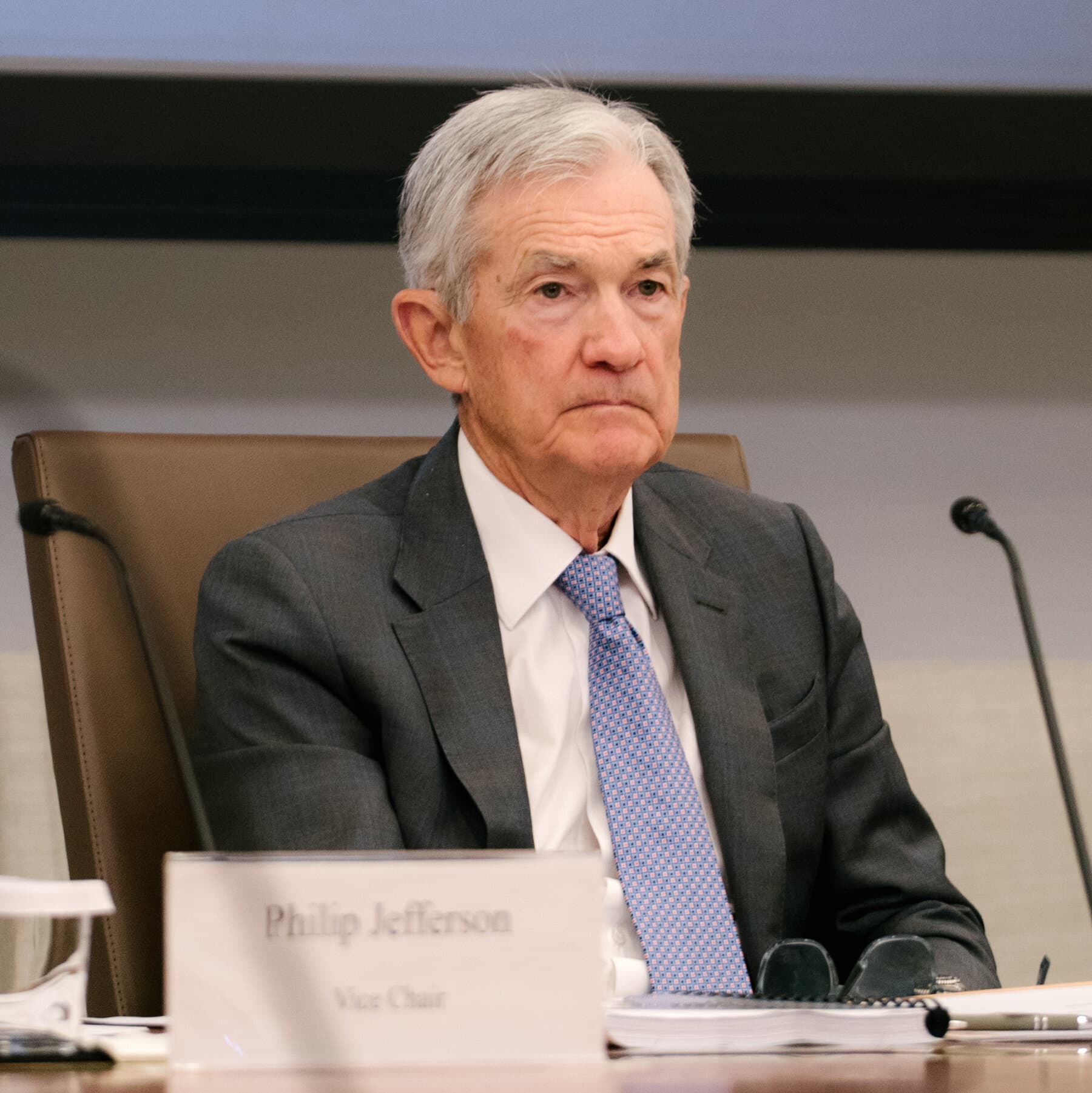
Here's what it means for you.
If you're navigating investments or business decisions, understanding the Fed's cautious approach can help you anticipate market shifts.
Why it matters
The Federal Reserve's decision to hold interest rates steady amid geopolitical tensions signals ongoing economic uncertainty that could affect global markets.
What happened (in 30 seconds)
- Federal Reserve officials expressed no urgency for interest rate cuts in their March 2026 meeting minutes, released on April 8, 2026.
- Ongoing disruptions from the Iran war, including surging oil prices, have heightened inflation risks and introduced economic uncertainties.
- Policymakers indicated potential for rate hikes if the conflict continues, while remaining open to cuts depending on inflation trends.
The context you actually need
- The Iran war, which began on February 28, 2026, has led to significant disruptions in oil supply, pushing Brent crude prices above $100 per barrel.
- Inflation in the U.S. has remained above the Fed's 2% target, complicating monetary policy decisions amid steady economic growth.
- The Federal Open Market Committee (FOMC) is closely monitoring inflation and geopolitical risks, with a current federal funds rate held at 3.50%-3.75%.
What's really happening
The Federal Reserve's recent meeting minutes reveal a complex balancing act in the face of escalating geopolitical tensions, particularly the ongoing Iran war. Initiated by U.S. and Israeli airstrikes on February 28, 2026, the conflict has caused immediate volatility in global oil markets, with Brent crude prices peaking at $109 per barrel. This surge has raised inflation projections, complicating the Fed's monetary policy landscape.
Despite these pressures, the FOMC has opted to maintain the current federal funds rate, reflecting a cautious approach to potential rate cuts. Federal Reserve Chair Jerome Powell emphasized the need for patience during a press conference following the meeting. The committee's discussions highlighted a divide among officials regarding the war's economic impacts, with some advocating for a more aggressive stance should inflation continue to rise.
The Fed's decision to hold rates steady is not merely a reflection of current economic conditions but also a strategic maneuver to navigate uncertainties. Policymakers are weighing the risks of inflation against the potential for economic growth, particularly as the U.S. economy has shown resilience despite external shocks. The ongoing conflict in Iran introduces two-sided uncertainties: while it poses inflationary risks, it also threatens to disrupt economic stability.
As the situation evolves, the Fed remains vigilant, prepared to adjust its policy in response to changing economic indicators. The minutes indicate that if inflation trends worsen, rate hikes could be on the table, underscoring the Fed's dual mandate to foster maximum employment and stable prices.
The implications of these decisions extend beyond U.S. borders, influencing global markets and economies. For instance, Dubai has already felt the impact of the Iran war, with a reported 49% crash in property sales and a mass exodus of expatriates. As the Fed navigates these turbulent waters, its decisions will resonate across various sectors, affecting everything from investment strategies to consumer spending.
Who feels it first (and how)
- Investors: Those holding assets sensitive to interest rate changes will need to adjust their strategies based on Fed signals.
- Real estate professionals: In markets like Dubai, property sales and valuations are directly impacted by geopolitical tensions and economic policies.
- Consumers: Rising inflation could lead to increased costs for goods and services, affecting purchasing power.
What to watch next
- Inflation trends: Monitoring inflation data will be crucial, as persistent inflation could trigger rate hikes.
- Geopolitical developments: Any escalation or resolution in the Iran war will significantly impact oil prices and economic stability.
- Federal Reserve communications: Pay attention to future FOMC meetings and statements for indications of policy shifts.
The Fed is currently holding interest rates steady at 3.50%-3.75%.
If inflation continues to rise, the Fed may consider rate hikes in the future.
The long-term economic impacts of the Iran war and how they will influence U.S. monetary policy remain uncertain.
Frequently Asked Questions
- Why it matters?
- The Federal Reserve's decision to hold interest rates steady amid geopolitical tensions signals ongoing economic uncertainty that could affect global markets.
- What happened (in 30 seconds)?
- Federal Reserve officials expressed no urgency for interest rate cuts in their March 2026 meeting minutes, released on April 8, 2026. Ongoing disruptions from the Iran war, including surging oil prices, have heightened inflation risks and introduced economic uncertainties. Policymakers indicated potential for rate hikes if the conflict continues, while remaining open to cuts depending on inflation trends.
- What's really happening?
- The Federal Reserve's recent meeting minutes reveal a complex balancing act in the face of escalating geopolitical tensions, particularly the ongoing Iran war. Initiated by U.S. and Israeli airstrikes on February 28, 2026, the conflict has caused immediate volatility in global oil markets, with Brent crude prices peaking at $109 per barrel. This surge has raised inflation projections, complicating the Fed's monetary policy landscape. Despite these pressures, the FOMC has opted to maintain the c
- Who feels it first (and how)?
- Investors: Those holding assets sensitive to interest rate changes will need to adjust their strategies based on Fed signals. Real estate professionals: In markets like Dubai, property sales and valuations are directly impacted by geopolitical tensions and economic policies. Consumers: Rising inflation could lead to increased costs for goods and services, affecting purchasing power.
- What to watch next?
- Inflation trends: Monitoring inflation data will be crucial, as persistent inflation could trigger rate hikes. Geopolitical developments: Any escalation or resolution in the Iran war will significantly impact oil prices and economic stability. Federal Reserve communications: Pay attention to future FOMC meetings and statements for indications of policy shifts.
Markets, economy, and company analysis from NYT’s business desk.
"The New York Times is a globally recognized newspaper offering authoritative reporting with a center-left editorial stance."
— A47 Editor
Fed Minutes Show Officials in No Rush to Cut as Iran War Scrambled Outlook
The Federal Reserve's recent minutes reveal that officials are not in a hurry to cut interest rates, as the ongoing conflict in the Middle East, particularly the war in Iran, has complicated economic forecasts and raised concerns about inflation. Cha...
Global markets, investing, and macroeconomics from a premier financial newsroom.
"Bloomberg is respected for in-depth financial reporting and data-driven analysis."
— A47 Editor
Fed Minutes Show Officials See Dual-Sided Risks From Iran War
Recent minutes from the Federal Reserve's March 17-18 meeting reveal that officials are grappling with conflicting economic scenarios following the outbreak of the Iran war. While many officials express concern that the conflict could negatively impa...
Global markets, investing, and macroeconomics from a premier financial newsroom.
"Bloomberg is respected for in-depth financial reporting and data-driven analysis."
— A47 Editor
Minutes Show Fed Officials See Differing Risks From Iran War
Minutes from the Federal Open Market Committee's March 17-18 meeting reveal that Fed officials are divided on the risks posed by the ongoing war in Iran, with many expressing concern that it could negatively impact the labor market and necessitate lo...
Editor-curated FT homepage stories spanning markets, business, world, and opinion.
"The Financial Times is a globally respected business publication with a centrist/center-left tone and strong markets focus."
— A47 Editor
Fed officials sparred over response to energy surge caused by Iran war
Recent minutes from the Federal Reserve's March meeting revealed a heated debate among officials regarding the appropriate response to rising energy prices linked to the ongoing conflict in Iran. Policymakers discussed whether to prioritize inflation...
Global markets, investing, and macroeconomics from a premier financial newsroom.
"Bloomberg is respected for in-depth financial reporting and data-driven analysis."
— A47 Editor
Fed Minutes Show Officials Saw Two-Sided Risks From Iran War
Recent minutes from the Federal Reserve indicate that officials are increasingly concerned about the inflationary risks posed by the ongoing war in Iran, suggesting that interest rates may need to be raised to counteract these pressures. This follows...