
GCC Welcomes IMO's Condemnation of Iran's Strait of Hormuz Closure
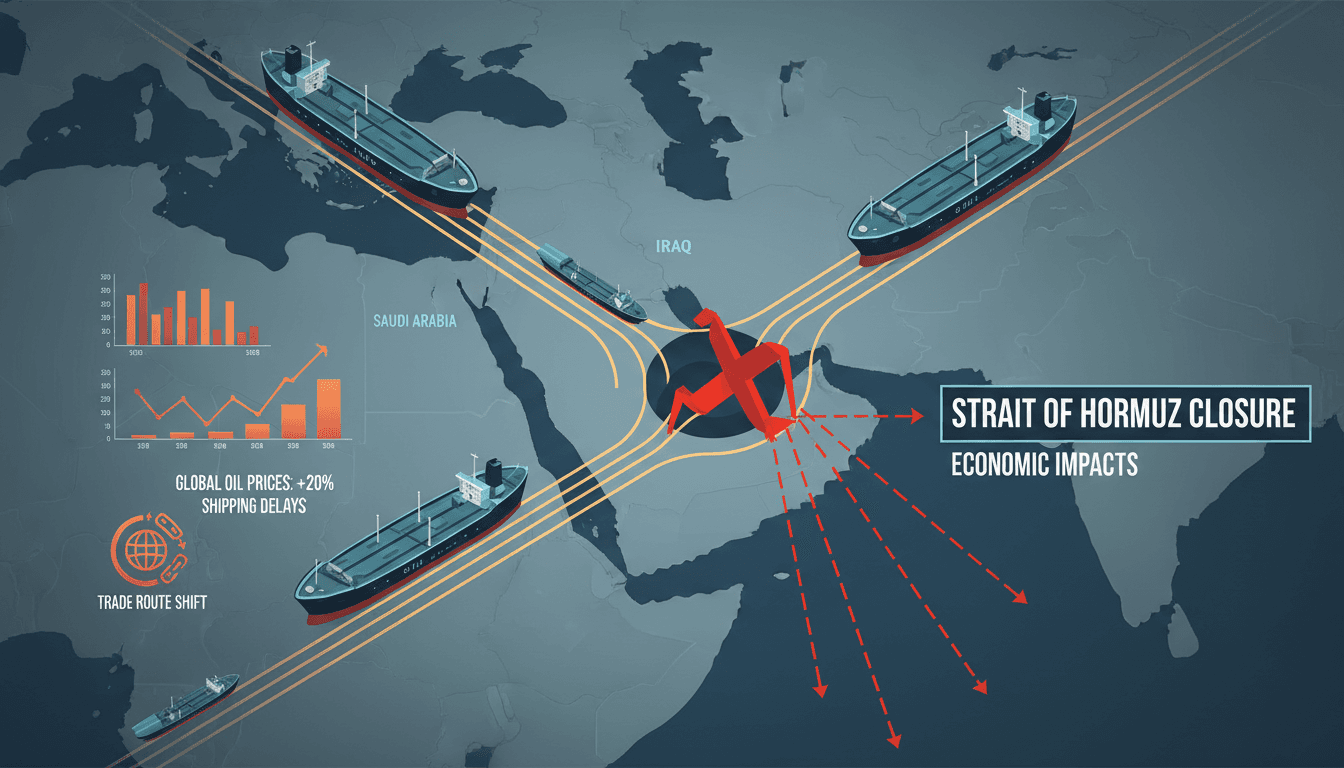
Here's what it means for you.
Rising fuel prices and potential supply shortages could impact your daily expenses and business operations.
Why it matters
The Strait of Hormuz is a critical chokepoint for global oil trade, affecting energy prices and economic stability worldwide.
What happened (in 30 seconds)
- On April 18, 2026, the Gulf Cooperation Council (GCC) welcomed a resolution from the International Maritime Organization (IMO) condemning Iran's closure of the Strait of Hormuz.
- Iran's closure, initiated on February 28, 2026, has led to increased tensions and threats to maritime navigation, impacting global oil supply.
- Oil prices surged past $100 per barrel amid volatility, with regional economies facing potential supply shortfalls.
The context you actually need
- The Strait of Hormuz handles approximately 20% of global oil trade, making it vital for energy security.
- Iran's actions are a response to U.S.-Israeli military operations, escalating regional conflicts and affecting international shipping routes.
- Diplomatic efforts are ongoing, but the situation remains tense, with the Strait effectively closed and international responses limited.
What's really happening
The Strait of Hormuz, a narrow passage between Iran and Oman, is crucial for global energy trade, with around 20.3 million barrels of oil transiting daily. Iran's closure of this strait on February 28, 2026, was a strategic move in retaliation for U.S.-Israeli military actions that have intensified regional tensions. The GCC's Secretary-General, Jassem Mohamed Al-Budaiwi, has been vocal in urging international action to secure navigation through this vital waterway.
The IMO's resolution condemning Iran's actions reflects a growing consensus among maritime nations about the need to protect freedom of navigation. However, the effectiveness of this condemnation is limited by the geopolitical realities on the ground. Iran's imposition of transit fees and threats against vessels has created a precarious situation for shipping companies, which now face increased operational risks and costs.
As oil prices surge past $100 per barrel, the economic implications are significant. Higher fuel costs translate to increased prices for goods and services, affecting consumers and businesses alike. In Dubai, for instance, residents are already experiencing elevated fuel prices and grocery inflation, with shipping delays at Jebel Ali Port exacerbating the situation. The UAE's GDP could contract by 2-5% if the closure persists, as rerouted trade and energy supply strains take their toll.
The GCC and UAE governments have responded by enhancing maritime security coordination and exploring alternative routes, such as the UAE's Fujairah pipelines. However, these measures may not fully mitigate the economic fallout from the Strait's closure. The ongoing volatility in oil markets and the potential for further escalations in regional conflicts mean that businesses and consumers must brace for continued uncertainty.
Who feels it first (and how)
- Consumers: Higher fuel prices and grocery costs directly impact household budgets.
- Shipping companies: Increased operational risks and costs due to threats in the Strait.
- Energy sector: Oil companies face volatility in prices and supply chain disruptions.
- Local businesses: Increased costs may lead to reduced consumer spending and economic slowdown.
What to watch next
- International diplomatic efforts: Monitor how global powers respond to Iran's actions and whether new sanctions or negotiations emerge.
- Oil price fluctuations: Keep an eye on market reactions to developments in the Strait, as prices could rise or fall based on perceived risks.
- Regional military activities: Watch for any escalations in U.S.-Israeli operations against Iran, which could further impact maritime security.
The Strait of Hormuz is critical for global oil trade, handling about 20% of it.
Continued volatility in oil prices and potential economic impacts on Gulf states.
The effectiveness of international diplomatic efforts to resolve the situation and reopen the Strait.
Frequently Asked Questions
- Why it matters?
- The Strait of Hormuz is a critical chokepoint for global oil trade, affecting energy prices and economic stability worldwide.
- What happened (in 30 seconds)?
- On April 18, 2026, the Gulf Cooperation Council (GCC) welcomed a resolution from the International Maritime Organization (IMO) condemning Iran's closure of the Strait of Hormuz. Iran's closure, initiated on February 28, 2026, has led to increased tensions and threats to maritime navigation, impacting global oil supply. Oil prices surged past $100 per barrel amid volatility, with regional economies facing potential supply shortfalls.
- What's really happening?
- The Strait of Hormuz, a narrow passage between Iran and Oman, is crucial for global energy trade, with around 20.3 million barrels of oil transiting daily. Iran's closure of this strait on February 28, 2026, was a strategic move in retaliation for U.S.-Israeli military actions that have intensified regional tensions. The GCC's Secretary-General, Jassem Mohamed Al-Budaiwi, has been vocal in urging international action to secure navigation through this vital waterway. The IMO's resolution condemn
- Who feels it first (and how)?
- Consumers: Higher fuel prices and grocery costs directly impact household budgets. Shipping companies: Increased operational risks and costs due to threats in the Strait. Energy sector: Oil companies face volatility in prices and supply chain disruptions. Local businesses: Increased costs may lead to reduced consumer spending and economic slowdown.
- What to watch next?
- International diplomatic efforts: Monitor how global powers respond to Iran's actions and whether new sanctions or negotiations emerge. Oil price fluctuations: Keep an eye on market reactions to developments in the Strait, as prices could rise or fall based on perceived risks. Regional military activities: Watch for any escalations in U.S.-Israeli operations against Iran, which could further impact maritime security.
Arabic-language coverage of Saudi, regional, and international affairs.
"Al Bilad offers mainstream Saudi newspaper coverage across domestic and broader Arab topics."
— A47 Editor
مجلس التعاون يؤكد ضرورة ضمان حرية الملاحة.. ترحيب خليجي بالإدانة الدولية لإغلاق هرمز
The Secretary-General of the Gulf Cooperation Council, Jassim Mohammed Al-Budaiwi, welcomed the International Maritime Organization's legal committee's decision condemning Iran for allegedly closing the Strait of Hormuz and for attacks and threats ag...
Arabic-language UAE newspaper coverage focused on domestic affairs, public institutions, business, society, and regional developments.
"Al Khaleej coverage generally reflects a mainstream UAE editorial lens with strong attention to public affairs, institutions, and regional developments."
— A47 Editor
البديوي يشيد بدور الإمارات في اعتماد قرار اللجنة القانونية للمنظمة البحرية الدولية
Jassim Mohammed Al-Budaiwi, the Secretary-General of the Gulf Cooperation Council, welcomed the decision of the Legal Committee of the International Maritime Organization, highlighting the significance of this development for maritime governance.
Arabic-language UAE newspaper coverage focused on domestic affairs, public institutions, business, society, and regional developments.
"Al Khaleej coverage generally reflects a mainstream UAE editorial lens with strong attention to public affairs, institutions, and regional developments."
— A47 Editor
البديوي يشيد بدور الإمارات في قرار «البحرية الدولية» بإدانة الهجمات الإيرانية
Jassim Mohammed Al-Budaiwi, the Secretary-General of the Gulf Cooperation Council, welcomed the decision of the International Maritime Organization to condemn Iranian attacks. This decision reflects a significant stance against maritime security thre...