
Oil Prices Rise to $98 Amid US-Iran Ceasefire Fragility
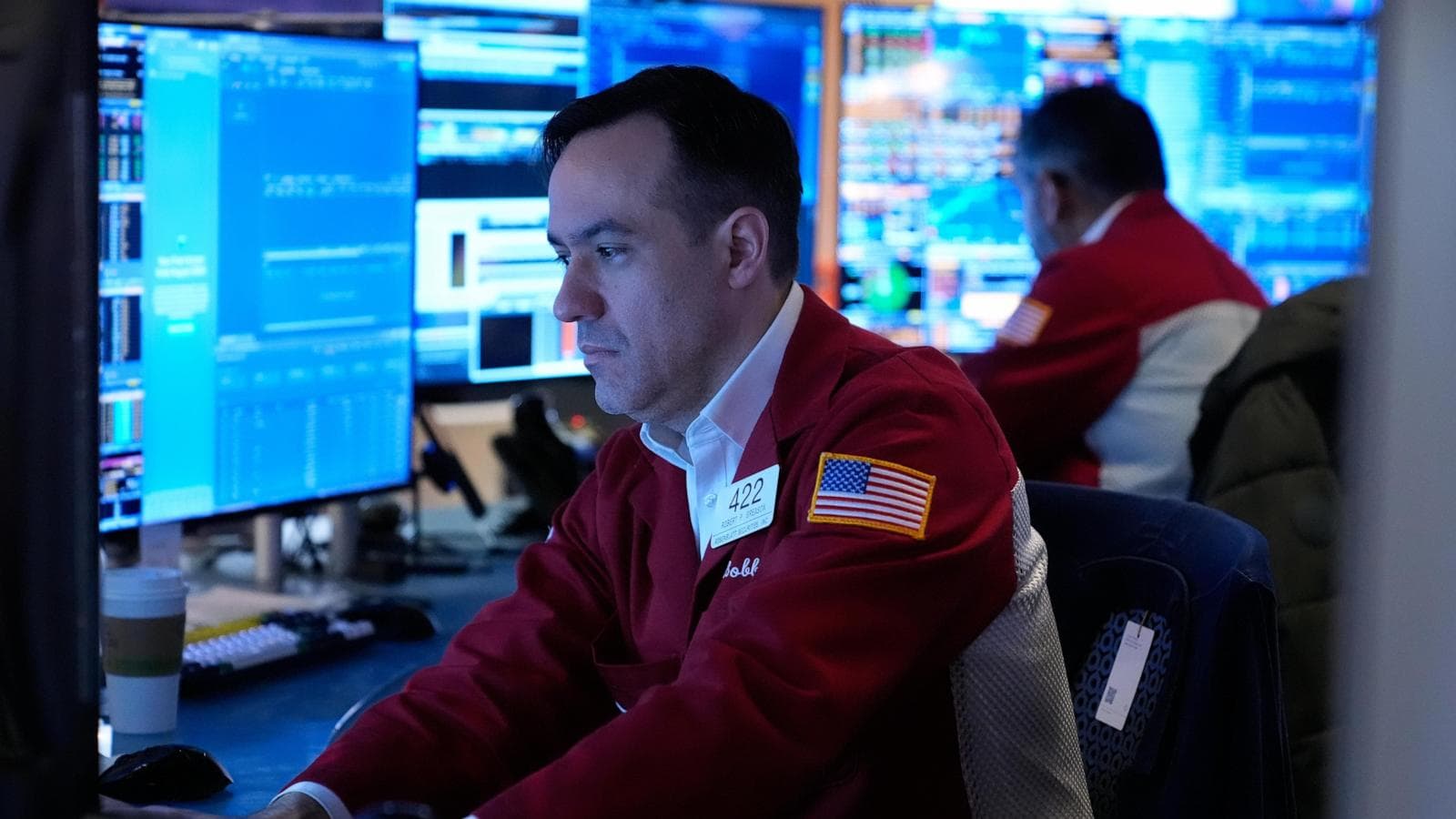
Here's what it means for you.
If you're in the energy sector or reliant on oil prices, expect increased costs and volatility in the coming weeks.
Why it matters
The surge in oil prices reflects geopolitical tensions that can disrupt global markets and impact everyday costs for consumers.
What happened (in 30 seconds)
- Oil prices jumped to $98.09 per barrel for Brent crude as investor confidence waned amid ongoing conflicts.
- Global stock indices retreated as fears over a fragile US-Iran ceasefire grew, with major markets showing declines.
- Permanent peace talks are scheduled for April 11 in Pakistan, but uncertainty remains high.
The context you actually need
- The US-Iran war began on February 28, 2026, escalating tensions and leading to significant disruptions in oil supply.
- The Strait of Hormuz, a crucial transit point for 20% of global oil, was closed by Iran, causing oil prices to spike above $120 per barrel.
- A temporary ceasefire was announced on April 7, initially lowering oil prices, but subsequent regional violence has undermined stability.
What's really happening
The recent spike in oil prices is a direct consequence of geopolitical instability in the Middle East, particularly the ongoing US-Iran conflict. Following the war's onset on February 28, 2026, the closure of the Strait of Hormuz on March 4 disrupted a critical artery for global oil transport, leading to an immediate surge in prices as supply fears gripped the market. Brent crude prices soared above $120 per barrel, reflecting the heightened risk associated with oil supply chains.
On April 7, President Trump announced a temporary two-week ceasefire, which initially led to a brief drop in oil prices and a rally in stock markets, with the S&P 500 gaining 2.5%. However, this optimism was short-lived. The situation deteriorated rapidly as Israeli airstrikes on Lebanon resulted in significant casualties, prompting Iran to re-close the Strait of Hormuz. This closure reignited fears of supply disruptions, leading to a rebound in oil prices to $98.09 per barrel by April 9.
The fragility of the ceasefire is underscored by the ongoing military presence of the US in the region, with President Trump affirming that US forces will remain until compliance is achieved. Analysts from ING have highlighted the deteriorating outlook for the ceasefire, suggesting that the geopolitical landscape is likely to remain volatile. The uncertainty surrounding the Strait of Hormuz, a chokepoint for 20% of global oil transit, continues to loom large over market sentiment.
In Dubai, the immediate impact of these developments is evident. The benchmark index surged by 6-10% on April 8 due to initial ceasefire optimism but faced a downturn on April 9 as concerns over the ceasefire's stability grew. Residents are already feeling the pinch, with petrol prices rising and airfares increasing due to elevated jet fuel costs. The broader economic implications include disrupted shipping and tourism, although the UAE's non-oil sector remains resilient.
Who feels it first (and how)
- Energy sector professionals: Increased operational costs and market volatility directly impact profitability.
- Consumers: Higher petrol prices and airfares affect daily expenses and travel plans.
- Investors: Volatility in stock markets creates uncertainty, particularly for those with stakes in energy and travel sectors.
- Middle Eastern economies: Countries reliant on oil exports face economic instability and potential growth slowdowns.
What to watch next
- Permanent talks in Pakistan: Scheduled for April 11, these discussions could either stabilize the situation or exacerbate tensions, influencing oil prices further.
- US military actions: Any shifts in the US military presence or strategy in the region could lead to significant market reactions.
- Global stock market trends: Continued declines in major indices may signal broader economic impacts from the ongoing conflict.
Oil prices are currently elevated due to geopolitical tensions.
Continued volatility in global markets as the situation evolves.
The long-term impact of the ceasefire on oil supply and prices.
Frequently Asked Questions
- Why it matters?
- The surge in oil prices reflects geopolitical tensions that can disrupt global markets and impact everyday costs for consumers.
- What happened (in 30 seconds)?
- Oil prices jumped to $98.09 per barrel for Brent crude as investor confidence waned amid ongoing conflicts. Global stock indices retreated as fears over a fragile US-Iran ceasefire grew, with major markets showing declines. Permanent peace talks are scheduled for April 11 in Pakistan, but uncertainty remains high.
- What's really happening?
- The recent spike in oil prices is a direct consequence of geopolitical instability in the Middle East, particularly the ongoing US-Iran conflict. Following the war's onset on February 28, 2026, the closure of the Strait of Hormuz on March 4 disrupted a critical artery for global oil transport, leading to an immediate surge in prices as supply fears gripped the market. Brent crude prices soared above $120 per barrel, reflecting the heightened risk associated with oil supply chains. On April 7, P
- Who feels it first (and how)?
- Energy sector professionals: Increased operational costs and market volatility directly impact profitability. Consumers: Higher petrol prices and airfares affect daily expenses and travel plans. Investors: Volatility in stock markets creates uncertainty, particularly for those with stakes in energy and travel sectors. Middle Eastern economies: Countries reliant on oil exports face economic instability and potential growth slowdowns.
- What to watch next?
- Permanent talks in Pakistan: Scheduled for April 11, these discussions could either stabilize the situation or exacerbate tensions, influencing oil prices further. US military actions: Any shifts in the US military presence or strategy in the region could lead to significant market reactions. Global stock market trends: Continued declines in major indices may signal broader economic impacts from the ongoing conflict.
Major U.S. developments and regional news.
"ABC News delivers broad national coverage with a mainstream editorial stance, focusing on accessibility and balanced reporting."
— A47 Editor
Oil prices jump back up near $100 a barrel on skepticism over fragile US-Iran ceasefire
Oil prices have surged back toward $100 a barrel amid skepticism regarding a fragile ceasefire agreement between the U.S. and Iran. This increase follows a significant drop in oil prices earlier in the week, which saw Brent crude fall to approximatel...
Global business, markets, and technology policy/industry coverage.
"France 24 provides balanced international coverage with a European perspective."
— A47 Editor
Rising oil prices: Are we heading for a recession?
Crude oil prices have risen again as the ceasefire between the United States and Iran, announced by President Donald Trump, shows signs of fragility. This situation raises concerns about potential supply shortages and their impact on global economic ...
24/7 international news from a French perspective in multiple languages.
"France 24 is viewed as a globally focused outlet with balanced coverage and a European perspective."
— A47 Editor
Rising oil prices: Are we heading for a recession?
Crude oil prices have risen again as the ceasefire between the United States and Iran, announced by President Trump, shows signs of instability. This situation is raising concerns about potential supply shortages that could impact global economic act...
Corporate leadership, finance, technology, and market trends.
"Fortune covers financial trends, leadership, and innovation with a pragmatic editorial approach."
— A47 Editor
Too much fire, not enough cease: Iran tightens its grip on global oil trade on eve of peace talks
A two-week ceasefire has been agreed upon between the United States and Iran, coinciding with a tightening of Iran's influence over the global oil trade. This development comes as military tensions in the region have escalated, prompting concerns abo...
Global markets, investing, and macroeconomics from a premier financial newsroom.
"Bloomberg is respected for in-depth financial reporting and data-driven analysis."
— A47 Editor
Renewed Hopes for Middle East Peace Boost EM Currencies
Emerging-market currencies experienced a notable increase following Israel's agreement to engage in direct talks with Lebanon, sparking renewed optimism for peace in the Middle East. This development has positively influenced risk assets across the r...