
Scientists Trace Origin of Ancient Interstellar Comet 3I/Atlas
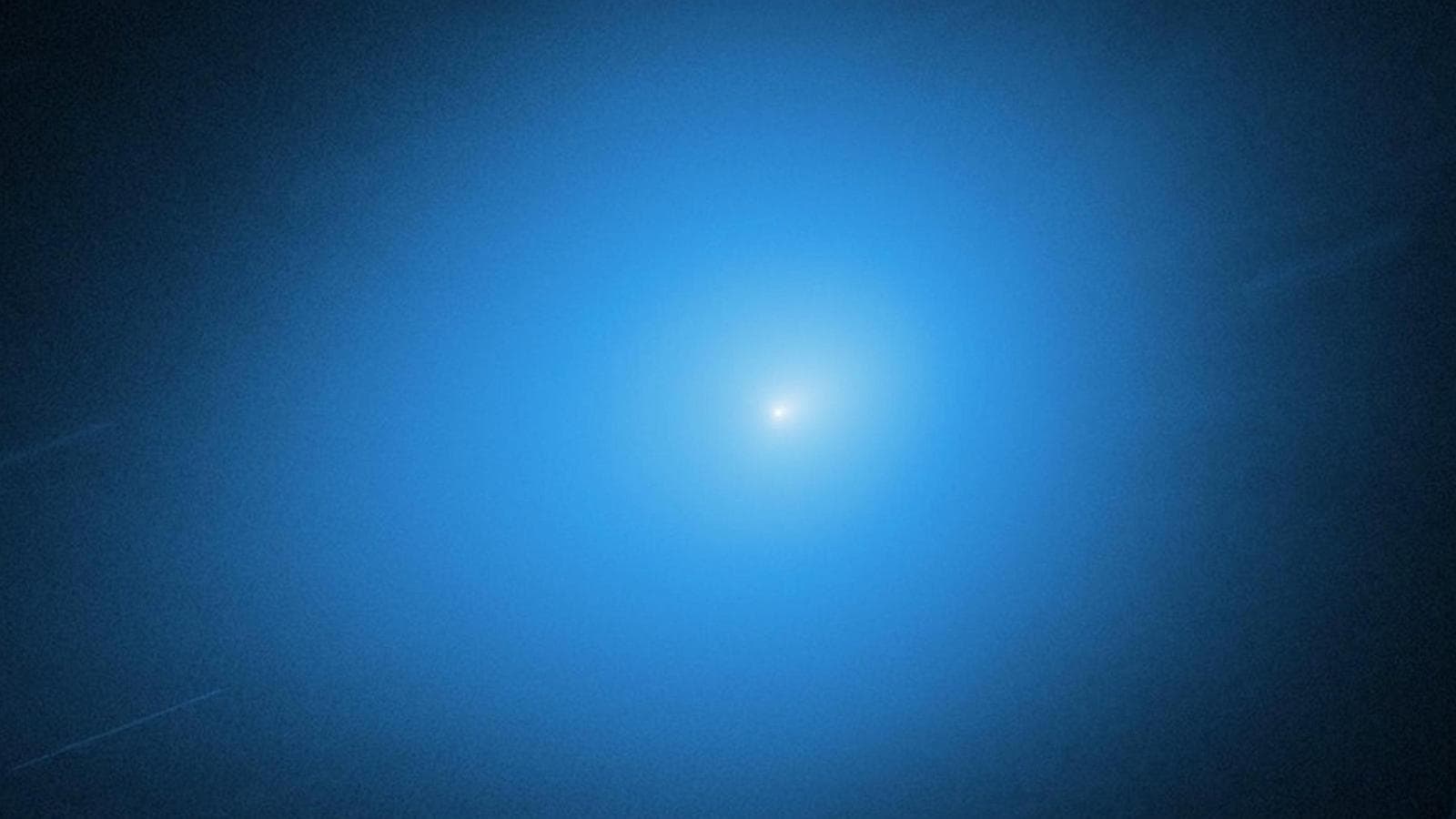
Here's what it means for you.
This discovery could significantly enhance our understanding of cosmic evolution and the formation of solar systems.
What happened
Scientists have identified the likely origin of comet 3I/Atlas as a cold corner of the Milky Way.
The Context
- Comet 3I/Atlas is only the third confirmed interstellar object, following Oumuamua and 2I/Borisov.
- The comet's water contains high levels of deuterium, indicating it formed in much colder conditions than our solar system.
- The study was conducted by a team from the University of Michigan using the ALMA observatory.
Takeaway
Understanding the origins of interstellar comets like 3I/Atlas may help scientists learn more about the formation of solar systems.
Regional and international reporting focused on Middle Eastern politics, diplomacy, and economics.
"Asharq Al-Awsat is a Saudi-owned international newspaper reflecting mainstream Gulf political perspectives."
— A47 Editor
Scientists Trace Latest Interstellar Comet's Home to a Cold, Isolated Corner of the Milky Way
Scientists have traced the origin of the latest interstellar comet to a cold and isolated region of the Milky Way, revealing new insights into the dynamics of celestial bodies beyond our solar system. This discovery highlights the ongoing research in...
Technology innovations, startups, and trends.
"ABC News delivers broad national coverage with a mainstream editorial stance, focusing on accessibility and balanced reporting."
— A47 Editor
Scientists trace latest interstellar comet's home to a corner of the Milky Way
A new study indicates that the interstellar comet that passed Earth last year likely originated from a cold, isolated region of the Milky Way, which has not yet formed its own solar system. This finding sheds light on the origins of such celestial bo...
International news coverage curated for readers in the UAE and Gulf region.
"Emirates 24|7 world coverage presents global developments through a UAE-facing and Gulf-relevant editorial lens."
— A47 Editor
Comet 31/Atlas: The interstellar comet came from a cold, isolated corner of the Milky Way Comet 31/Atlas: The interstellar comet came from a cold, isolated corner of the Milky Way
Astronomers have reported that Comet 31/Atlas, which passed Earth last year, likely originated from a cold, isolated region of the Milky Way that has not yet formed its own solar system. This interstellar comet is estimated to be up to 11 billion yea...