
IMF Revises 2026 Global Growth Forecast to 3.1 Percent Due to Middle East Conflict
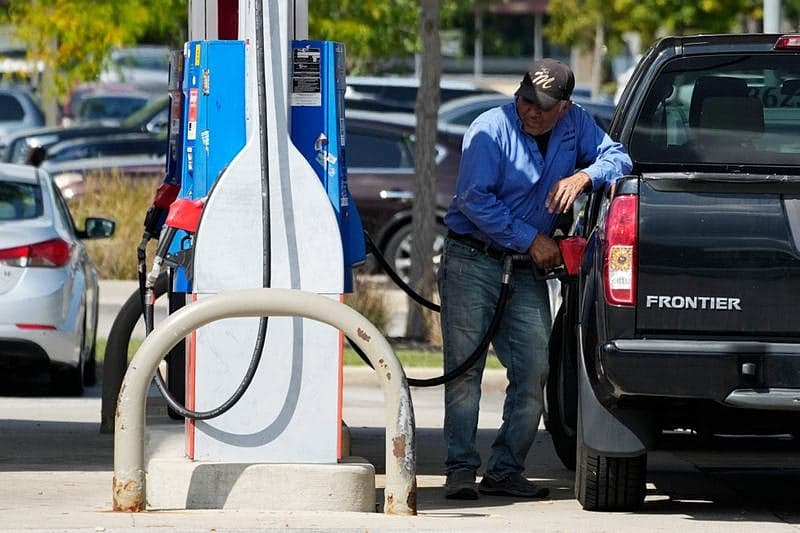
Here's what it means for you.
If you're in a sector tied to global trade or energy, expect tighter margins and increased costs.
Why it matters
The IMF's downgrade signals potential economic instability that could ripple through markets and impact consumer behavior.
What happened (in 30 seconds)
- On April 14, 2026, the IMF revised its global growth forecast for 2026 down to 3.1 percent due to escalating conflicts in the Middle East.
- The war, which began on February 28, 2026, has led to the closure of the Strait of Hormuz and significant damage to oil infrastructure, causing supply shocks.
- Inflation is projected to rise to 4.4 percent, affecting purchasing power and economic stability globally.
The context you actually need
- Prior to the conflict, the IMF had upgraded its 2026 growth projection from 3.3 percent to 3.4 percent, indicating a positive economic trajectory.
- The Middle East war has created a supply shock, reversing recovery trends and elevating commodity prices, particularly oil.
- MENA region growth has been slashed nearly three percentage points, with forecasts for the UAE and Saudi Arabia adjusted to 3.1 percent.
What's really happening
The IMF's decision to lower the global growth forecast to 3.1 percent reflects a complex interplay of geopolitical tensions and economic fundamentals. The war in the Middle East, particularly the closure of the Strait of Hormuz, has disrupted a critical artery for global oil supply. This disruption has not only led to immediate spikes in oil prices—approaching $100 per barrel—but has also created a ripple effect across various sectors reliant on stable energy prices.
As energy costs rise, inflation is expected to follow suit, projected at 4.4 percent. This inflationary pressure can erode consumer purchasing power, leading to decreased spending in non-essential sectors such as tourism and real estate. The IMF's reference scenario assumes a short-lived conflict, but the adverse and severe scenarios—projecting growth rates of 2.5 percent and 2 percent respectively—highlight the potential for prolonged economic distress if the conflict escalates.
The IMF's report emphasizes the need for swift conflict resolution and energy diversification to mitigate these risks. Countries like the UAE and Saudi Arabia, which are heavily reliant on oil exports, face significant challenges. Their growth forecasts have been adjusted downward, reflecting the immediate impact of the conflict on their economies. However, there is a glimmer of hope, as both nations anticipate a rebound in 2027, with growth projections of 5.3 percent and 4.5 percent respectively.
The interconnectedness of global economies means that disruptions in one region can have far-reaching consequences. Investors and businesses must navigate this uncertainty, balancing the risks of inflation and supply chain disruptions against potential recovery opportunities in the medium term.
Who feels it first (and how)
- Energy sector: Companies reliant on oil production and distribution face immediate impacts from rising prices and supply disruptions.
- Consumers: Households will experience increased costs of living due to inflation, affecting discretionary spending.
- Tourism and real estate: Sectors dependent on stable economic conditions may see reduced demand as consumer confidence wanes.
- Investors: Market volatility may lead to cautious investment strategies, particularly in emerging markets.
What to watch next
- Oil prices: Continued fluctuations in oil prices will indicate the severity of supply disruptions and their impact on inflation.
- Inflation rates: Monitoring inflation trends will provide insight into consumer purchasing power and economic stability.
- Geopolitical developments: Any escalation or resolution of the Middle East conflict will significantly influence global economic forecasts and market reactions.
The IMF has lowered its global growth forecast to 3.1 percent due to the Middle East conflict.
Inflation will rise, impacting consumer purchasing power and economic stability.
The duration and escalation of the conflict remain uncertain, affecting future economic projections.
Frequently Asked Questions
- Why it matters?
- The IMF's downgrade signals potential economic instability that could ripple through markets and impact consumer behavior.
- What happened (in 30 seconds)?
- On April 14, 2026, the IMF revised its global growth forecast for 2026 down to 3.1 percent due to escalating conflicts in the Middle East. The war, which began on February 28, 2026, has led to the closure of the Strait of Hormuz and significant damage to oil infrastructure, causing supply shocks. Inflation is projected to rise to 4.4 percent, affecting purchasing power and economic stability globally.
- What's really happening?
- The IMF's decision to lower the global growth forecast to 3.1 percent reflects a complex interplay of geopolitical tensions and economic fundamentals. The war in the Middle East, particularly the closure of the Strait of Hormuz, has disrupted a critical artery for global oil supply. This disruption has not only led to immediate spikes in oil prices—approaching $100 per barrel—but has also created a ripple effect across various sectors reliant on stable energy prices. As energy costs rise, infla
- Who feels it first (and how)?
- Energy sector: Companies reliant on oil production and distribution face immediate impacts from rising prices and supply disruptions. Consumers: Households will experience increased costs of living due to inflation, affecting discretionary spending. Tourism and real estate: Sectors dependent on stable economic conditions may see reduced demand as consumer confidence wanes. Investors: Market volatility may lead to cautious investment strategies, particularly in emerging markets.
- What to watch next?
- Oil prices: Continued fluctuations in oil prices will indicate the severity of supply disruptions and their impact on inflation. Inflation rates: Monitoring inflation trends will provide insight into consumer purchasing power and economic stability. Geopolitical developments: Any escalation or resolution of the Middle East conflict will significantly influence global economic forecasts and market reactions.
Editor-curated FT homepage stories spanning markets, business, world, and opinion.
"The Financial Times is a globally respected business publication with a centrist/center-left tone and strong markets focus."
— A47 Editor
Can global resilience trump disruption?
The International Monetary Fund (IMF) has issued a stark warning regarding the global economy's resilience amid ongoing disruptions, particularly highlighting the potential for worsening conditions due to geopolitical tensions, notably the conflict i...
Capitol Hill news, legislation, and policy insight.
"The Hill specializes in U.S. politics and policy, with a focus on Capitol Hill developments and a reputation for insider reporting."
— A47 Editor
IMF warns of slowing economic growth, rising inflation amid Iran war
The International Monetary Fund (IMF) has issued a bleak economic forecast for April, highlighting concerns over rising inflation linked to the ongoing war in Iran. The IMF projects global growth to slow to 3.1% this year, with inflation pressures ex...
24/7 international news from a French perspective in multiple languages.
"France 24 is viewed as a globally focused outlet with balanced coverage and a European perspective."
— A47 Editor
'War is development in reverse,' UNDP chief tells FRANCE 24
The ongoing war in Iran has prompted the International Monetary Fund (IMF) to downgrade its global economic outlook, predicting severe repercussions depending on the conflict's duration. The United Nations Development Programme (UNDP) warns that if h...
Global business, markets, and technology policy/industry coverage.
"France 24 provides balanced international coverage with a European perspective."
— A47 Editor
'War is development in reverse,' UNDP chief tells FRANCE 24
The ongoing war in Iran has prompted the International Monetary Fund (IMF) to downgrade its global economic outlook, predicting severe repercussions depending on the conflict's duration. The United Nations Development Programme (UNDP) warns that if h...
Global markets, investing, and macroeconomics from a premier financial newsroom.
"Bloomberg is respected for in-depth financial reporting and data-driven analysis."
— A47 Editor
EU's Dombrovskis on Iran War Impact, Global Economy
The International Monetary Fund (IMF) has downgraded its global growth projection for 2026 to 3.1%, attributing this adjustment to the ongoing conflict in the Middle East, particularly the war in Iran, which has triggered significant oil shocks and r...
Comprehensive coverage of Middle Eastern and global issues.
"Al Jazeera is a prominent voice from the Global South, especially the Middle East, with an emphasis on underreported stories."
— A47 Editor
IMF cuts global growth forecast during Hormuz blockade
The International Monetary Fund (IMF) has revised its global growth forecast downward to 3.1% for 2026, citing the ongoing blockade of the Strait of Hormuz as a significant factor contributing to rising global inflation, now projected at 4.4%. This i...
Global news coverage with extensive reporting on Middle Eastern conflicts and geopolitics.
"Al Jazeera is a Qatar-based broadcaster known for wide regional coverage and alternative perspectives."
— A47 Editor
IMF cuts global growth forecast during Hormuz blockade
The International Monetary Fund (IMF) has revised its global growth forecast downward to 3.1% for 2026, citing the ongoing blockade of the Strait of Hormuz as a significant factor contributing to rising global inflation, now projected at 4.4%. This i...
Practical investing ideas, macro commentary, and market strategy.
"MoneyWeek is a UK-based investment magazine focused on actionable insights."
— A47 Editor
Growth downgrade for UK as Iran war expected to boost inflation and stop interest rate cuts, says IMF
The International Monetary Fund (IMF) has downgraded the UK's growth forecast, predicting that the country will be the hardest hit among G7 nations due to the ongoing conflict in Iran, with economic impacts expected to persist into 2027.
Regional coverage and analysis focused on politics, diplomacy, and business across the Middle East.
"Al-Monitor is known for analytical reporting on Middle East politics and policy developments."
— A47 Editor
IMF cuts 2026 global growth forecast on Mideast war
The International Monetary Fund (IMF) has revised its global growth forecast for 2026 downward, citing the ongoing conflict in the Middle East as a significant factor that could disrupt the world economy and lead to higher commodity prices. The IMF p...
UAE-based newspaper covering Gulf politics, society, and international developments.
"Gulf News is one of the UAE’s most prominent English-language publications."
— A47 Editor
IMF lowers 2026 global growth forecast as war threatens oil supply, inflation
The International Monetary Fund (IMF) has lowered its global growth forecast for 2026, citing the ongoing war in Iran as a significant threat to oil supply and inflation rates. This adjustment reflects the IMF's concern over the economic repercussion...
A curated Gulf News feed featuring major stories across news, business, opinion, and lifestyle.
"Gulf News is a major UAE newspaper whose featured stories feed reflects a broad editorial mix shaped for a Gulf audience."
— A47 Editor
IMF lowers 2026 global growth forecast as war threatens oil supply, inflation
The International Monetary Fund (IMF) has lowered its global growth forecast for 2026, citing the ongoing war in Iran as a significant threat to oil supply and inflation rates. This adjustment reflects the IMF's concern over the economic repercussion...
Pan-Arab news coverage spanning politics, business, sports, and regional affairs.
"Asharq Al-Awsat reflects a broad Arab editorial perspective with strong attention to regional geopolitics."
— A47 Editor
صندوق النقد الدولي: حرب إيران تضرب اقتصادات الخليج
The International Monetary Fund (IMF) has lowered its growth forecasts for Gulf countries for the year 2026 due to the repercussions of the ongoing war in Iran, highlighting significant disparities in the impact across different nations.
Corporate leadership, finance, technology, and market trends.
"Fortune covers financial trends, leadership, and innovation with a pragmatic editorial approach."
— A47 Editor
IMF slashes global growth forecast, blaming ‘war in the Middle East’ for halted momentum
The International Monetary Fund (IMF) has downgraded its global growth forecast for 2026 to 3.1%, down from 3.3% previously, attributing this reduction to the ongoing conflict in the Middle East. This situation has halted economic momentum and raised...
Political developments, policy debates, elections, and government affairs in the UK.
"BBC News is widely regarded as a reputable international news organization, known for its impartial tone and public service mandate."
— A47 Editor
UK faces biggest hit to growth from Iran war of major economies, IMF says
The International Monetary Fund (IMF) has revised its growth forecast for the UK, indicating that the country will experience the most significant economic downturn among major economies due to the ongoing conflict in Iran. This situation threatens t...
Corporate news, economic trends, and markets with UK and global scope.
"BBC News is widely regarded as reputable and impartial, with a public service mandate."
— A47 Editor
UK faces biggest hit to growth from Iran war of major economies, IMF says
The International Monetary Fund (IMF) has revised its growth forecast for the UK, indicating that the country will experience the most significant economic downturn among major economies due to the ongoing conflict in Iran. This situation threatens t...
Pan-Arab news coverage spanning politics, business, sports, and regional affairs.
"Asharq Al-Awsat reflects a broad Arab editorial perspective with strong attention to regional geopolitics."
— A47 Editor
خطر الحرب يطارد التعافي.. «صندوق النقد» يخفِّض توقعات نمو الاقتصاد العالمي
The International Monetary Fund (IMF) has lowered its global growth forecast by 0.2 percentage points to 3.1% for 2026, attributing this adjustment to the ongoing conflict involving Iran. This revision reflects concerns over geopolitical tensions tha...
Social/economic commentary and analysis relevant to business and markets.
"WSJ blends data-driven economic insight with commentary on policy and society."
— A47 Editor
A prolonged Middle East conflict could slash global growth to rates seen only in the deepest recent recessions, the International Monetary Fund warned in its latest set of forecasts
The International Monetary Fund (IMF) has issued a warning that a prolonged conflict in the Middle East could severely impact global economic growth, potentially reducing it to levels seen during the deepest recent recessions. The IMF's latest foreca...
Global markets, investing, and macroeconomics from a premier financial newsroom.
"Bloomberg is respected for in-depth financial reporting and data-driven analysis."
— A47 Editor
IMF Cut Global Growth to 3.1%, Flags Downturn Risk If War Lasts
The International Monetary Fund (IMF) has downgraded its global growth projection for 2026 to 3.1%, citing the ongoing conflict in the Middle East as a significant factor. The war has triggered an oil shock, leading to disruptions in supply and raisi...