
Iran Threatens Devastating Retaliation Against US Following Trump's Ultimatum on Strait of Hormuz
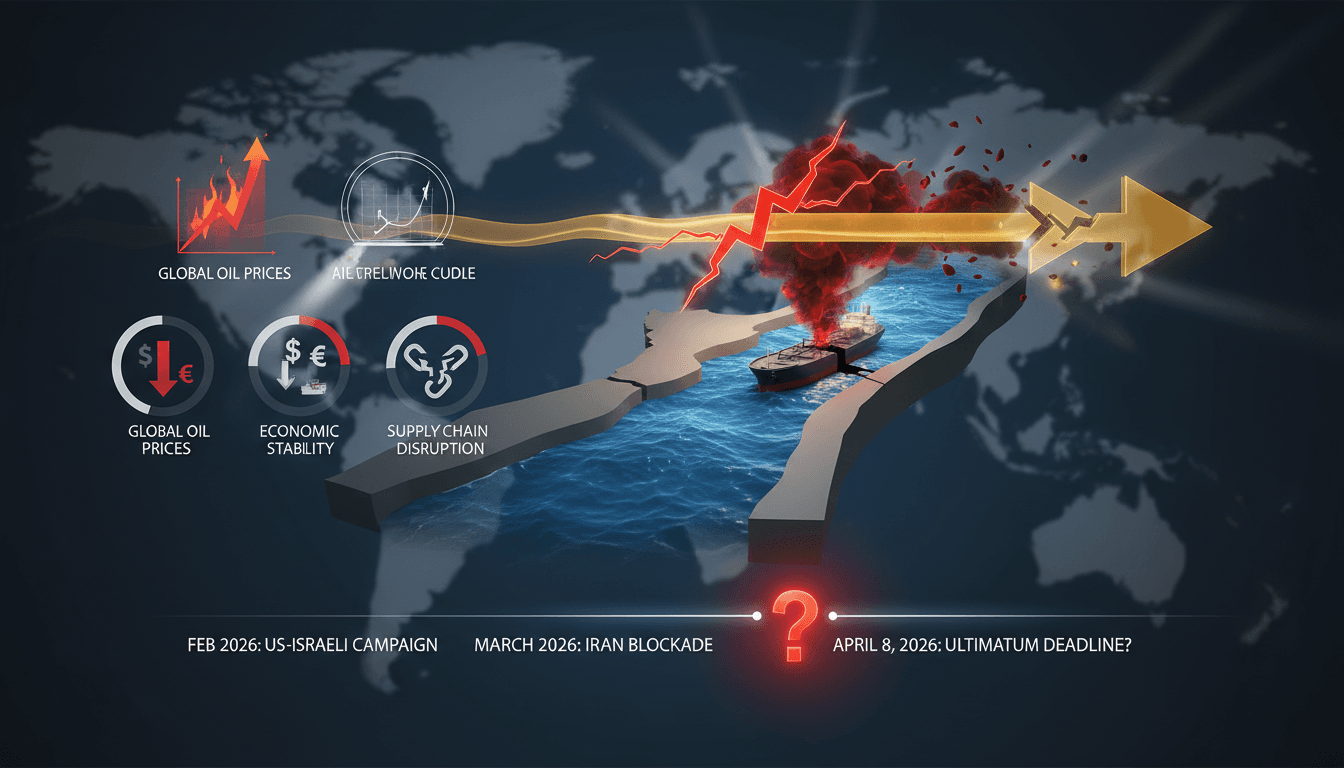
Here's what it means for you.
Rising tensions in the Strait of Hormuz could lead to increased fuel prices and supply chain disruptions affecting your daily costs.
Why it matters
The ongoing conflict directly impacts global oil supply, which can lead to significant economic consequences worldwide.
What happened (in 30 seconds)
- Iran warned of 'devastating' retaliation following U.S. President Trump's threats to destroy Iranian infrastructure if the Strait of Hormuz is not reopened.
- Tensions escalated as Iran imposed a blockade on the Strait, a critical chokepoint for approximately 20% of global oil flows.
- U.S. airstrikes and military operations against Iranian assets have intensified, complicating ceasefire negotiations.
The context you actually need
- The U.S.-Israeli military campaign against Iran began in late February 2026, targeting Iranian infrastructure and escalating regional tensions.
- Iran's blockade of the Strait of Hormuz has disrupted oil supplies, leading to increased oil prices and concerns over global energy security.
- Ceasefire talks have stalled due to conflicting demands, including sanctions relief and guarantees for safe passage through Hormuz.
What's really happening
The current geopolitical crisis stems from a complex interplay of military aggression, economic interests, and national security concerns. Since late February 2026, the U.S. and Israel have intensified their military campaign against Iran, targeting key infrastructure in response to Iranian missile and drone strikes on U.S. and Israeli assets. This escalation has prompted Iran to impose a near-total blockade of the Strait of Hormuz, a vital maritime route for global oil transport.
The Strait of Hormuz is crucial, as it facilitates the passage of about 20% of the world's oil supply. Any disruption here can lead to significant fluctuations in oil prices, as evidenced by the recent spike in Brent crude prices, which rose to $110.34 per barrel following Trump's threats. The U.S. administration's aggressive stance, including threats to bomb Iranian infrastructure, reflects a broader strategy to exert pressure on Iran but risks further destabilizing the region.
Iran's response has been equally aggressive, with Supreme Leader Mojtaba Khamenei and military officials rejecting U.S. ceasefire proposals and vowing to continue operations against perceived threats. The Iranian military's rhetoric has intensified, labeling Trump's threats as "delusional" and asserting that they will not yield to U.S. demands. This tit-for-tat dynamic not only escalates military tensions but also complicates diplomatic efforts to resolve the crisis.
As the situation unfolds, the implications extend beyond military confrontations. The potential for a broader conflict raises alarms in global markets, particularly in oil-dependent economies. The ongoing military actions have already led to increased naval patrols in the region, with commercial vessels facing heightened risks. The United Nations is preparing to vote on a resolution to encourage defensive coordination for shipping in the Strait, but the outcome remains uncertain, especially with opposition from key players like China and Russia.
Who feels it first (and how)
- Consumers: Increased fuel prices will directly affect transportation and daily living costs.
- Businesses: Companies relying on oil and shipping will face higher operational costs and potential supply chain disruptions.
- Investors: Volatility in oil markets can impact stock prices and investment strategies, particularly in energy sectors.
- Geopolitical analysts: Heightened tensions require closer monitoring of military movements and diplomatic negotiations.
What to watch next
- U.S. military actions: Continued airstrikes or troop deployments could escalate the conflict further, impacting oil supply.
- Iran's military responses: Any retaliatory strikes against U.S. or allied assets could lead to broader regional instability.
- Oil price fluctuations: Watch for significant changes in Brent crude prices as market reactions to geopolitical developments unfold.
The Strait of Hormuz is a critical chokepoint for global oil supply, and disruptions will affect prices.
Continued military escalations will lead to further instability in the region and potential economic fallout.
The outcome of UN resolutions and their impact on diplomatic negotiations remains uncertain.
Frequently Asked Questions
- Why it matters?
- The ongoing conflict directly impacts global oil supply, which can lead to significant economic consequences worldwide.
- What happened (in 30 seconds)?
- Iran warned of 'devastating' retaliation following U.S. President Trump's threats to destroy Iranian infrastructure if the Strait of Hormuz is not reopened. Tensions escalated as Iran imposed a blockade on the Strait, a critical chokepoint for approximately 20% of global oil flows. U.S. airstrikes and military operations against Iranian assets have intensified, complicating ceasefire negotiations.
- What's really happening?
- The current geopolitical crisis stems from a complex interplay of military aggression, economic interests, and national security concerns. Since late February 2026, the U.S. and Israel have intensified their military campaign against Iran, targeting key infrastructure in response to Iranian missile and drone strikes on U.S. and Israeli assets. This escalation has prompted Iran to impose a near-total blockade of the Strait of Hormuz, a vital maritime route for global oil transport. The Strait of
- Who feels it first (and how)?
- Consumers: Increased fuel prices will directly affect transportation and daily living costs. Businesses: Companies relying on oil and shipping will face higher operational costs and potential supply chain disruptions. Investors: Volatility in oil markets can impact stock prices and investment strategies, particularly in energy sectors. Geopolitical analysts: Heightened tensions require closer monitoring of military movements and diplomatic negotiations.
- What to watch next?
- U.S. military actions: Continued airstrikes or troop deployments could escalate the conflict further, impacting oil supply. Iran's military responses: Any retaliatory strikes against U.S. or allied assets could lead to broader regional instability. Oil price fluctuations: Watch for significant changes in Brent crude prices as market reactions to geopolitical developments unfold.
International coverage from The Guardian's global desks.
"The Guardian is known for its progressive editorial stance and in-depth analysis."
— A47 Editor
Middle East crisis live: Iran warns of ‘devastating’ retaliation after Trump’s expletive-laden threats over strait of Hormuz
Tensions in the Middle East have escalated as U.S. President Donald Trump issued a stark ultimatum to Iran, demanding the reopening of the strategic Strait of Hormuz within 48 hours or face severe military action targeting critical infrastructure. Th...
Global markets, investing, and macroeconomics from a premier financial newsroom.
"Bloomberg is respected for in-depth financial reporting and data-driven analysis."
— A47 Editor
Trump Threatens to Hit Civilian Targets If Iran Doesn’t Open Hormuz
President Donald Trump has issued a stark ultimatum to Iran, threatening military action against civilian targets if the Strait of Hormuz is not reopened. This warning comes amid escalating tensions following the downing of a U.S. fighter jet and ong...
Capitol Hill news, legislation, and policy insight.
"The Hill specializes in U.S. politics and policy, with a focus on Capitol Hill developments and a reputation for insider reporting."
— A47 Editor
Trump doubles down on Tuesday night deadline for Iran to meet US demands
President Trump has reiterated a firm deadline for Iran to comply with U.S. demands by Tuesday evening, threatening severe military action against the country's infrastructure, including bridges and power plants, if the Strait of Hormuz is not reopen...
Policy, elections, and government reporting.
"NPR is an American public media organization known for thoughtful reporting and a slightly left-leaning editorial tone."
— A47 Editor
Trump doubles down on threats to Iran's civilian infrastructure unless there's a deal
President Trump has reiterated his threats against Iran, stating that military action will be taken against its civilian infrastructure, including bridges and power plants, unless a deal is reached regarding the reopening of the Strait of Hormuz. Thi...
U.S. national news with a West Coast perspective.
"The Los Angeles Times is a major West Coast newspaper offering in-depth reporting with a liberal editorial tone and strong regional focus."
— A47 Editor
Trump holds fast to Tuesday deadline, threatening Iran's bridges and power plants
President Trump has maintained a firm deadline for Iran, threatening military action against its bridges and power plants if the Strait of Hormuz is not reopened by Tuesday. Despite expressing optimism about engaging with Iran's new government, Tehra...
International news with cultural insight.
"The Los Angeles Times is a major West Coast newspaper offering in-depth reporting with a liberal editorial tone and strong regional focus."
— A47 Editor
Trump holds fast to Tuesday deadline, threatening Iran's bridges and power plants
President Trump has maintained a firm deadline for Iran, threatening military action against its bridges and power plants if the Strait of Hormuz is not reopened by Tuesday. Despite expressing optimism about engaging with Iran's new government, Tehra...
Regional coverage and analysis focused on politics, diplomacy, and business across the Middle East.
"Al-Monitor is known for analytical reporting on Middle East politics and policy developments."
— A47 Editor
Trump says Tuesday deadline to make a deal with Iran is final
U.S. President Donald Trump has declared a final deadline for Iran to negotiate a deal by Tuesday, emphasizing that Iran's recent peace proposal is significant but insufficient. Trump has threatened military action against Iranian infrastructure if t...
Global political, business, and cultural coverage from WSJ international desks.
"The Wall Street Journal offers extensive international reporting with a reputation for financial insight and a center-right editorial stance."
— A47 Editor
Trump Says He’s Calling Iran’s Bluff in Eight-Minute Interview With WSJ
President Trump has issued a stark ultimatum to Iran, demanding the reopening of the Strait of Hormuz by Tuesday night, or face military action targeting the country's bridges and power plants. This threat follows escalating tensions between the U.S....
Insights and news on social issues, policy, and political movements across the United States.
"The Wall Street Journal is known for its deep political coverage, especially at the intersection of policy, regulation, and social dynamics."
— A47 Editor
President Trump told the WSJ that Iran has until Tuesday night to reopen the Strait of Hormuz or he will destroy the country’s bridges and power plants. Read more in today’s WSJ politics newsletter:
President Trump has issued a stark ultimatum to Iran, demanding the reopening of the Strait of Hormuz by Tuesday night, or face military action targeting the country's bridges and power plants. This threat follows escalating tensions between the U.S....
International stories from NPR’s global desk.
"NPR is an American public media organization known for thoughtful reporting and a slightly left-leaning editorial tone."
— A47 Editor
Trump threatens Iran's power plants, bridges. And, Artemis II readies for lunar flyby
President Trump has issued a stark ultimatum to Iran, threatening military action against its power plants and bridges unless the country reopens the strategic Strait of Hormuz within 48 hours. This warning follows escalating tensions and military ac...
European coverage of Middle East politics and security issues.
"France 24 offers international reporting with a European editorial perspective."
— A47 Editor
US president Donald Trump warns Tehran to reopen Hormuz or face "hell"
President Donald Trump has issued a stark ultimatum to Iran, demanding the reopening of the strategic Strait of Hormuz within 48 hours or face severe military action targeting critical infrastructure. This warning follows a draft proposal for a 45-da...
Coverage of current events and conflicts in the Middle East.
"France 24 is viewed as a globally focused outlet with balanced coverage and a European perspective."
— A47 Editor
US president Donald Trump warns Tehran to reopen Hormuz or face "hell"
President Donald Trump has issued a stark ultimatum to Iran, demanding the reopening of the strategic Strait of Hormuz within 48 hours or face severe military action targeting critical infrastructure. This warning follows a draft proposal for a 45-da...
European coverage of Middle East politics and security issues.
"France 24 offers international reporting with a European editorial perspective."
— A47 Editor
War in the Middle East: Donald Trump threatens to hit Iran power plants
Tensions in the Middle East have escalated as President Donald Trump threatened Iran with military action against its power plants and other critical infrastructure if it does not reopen the strategic Strait of Hormuz within 48 hours. This ultimatum ...
Coverage of current events and conflicts in the Middle East.
"France 24 is viewed as a globally focused outlet with balanced coverage and a European perspective."
— A47 Editor
War in the Middle East: Donald Trump threatens to hit Iran power plants
Tensions in the Middle East have escalated as President Donald Trump threatened Iran with military action against its power plants and other critical infrastructure if it does not reopen the strategic Strait of Hormuz within 48 hours. This ultimatum ...
Real-time updates, analysis, and reports on the blockchain and cryptocurrency sectors.
"Crypto News delivers real-time updates, analysis, and reports on the blockchain and cryptocurrency sectors."
— A47 Editor
Trump targets Iranian power plants over Hormuz blockade, invasion odds surge on Polymarket
U.S. President Donald Trump has issued a warning to Iran, stating that the U.S. military will target Iranian infrastructure if Tehran does not comply by April 7. This follows recent military actions, including an attack on Iran's Ghadir Bridge, and c...
Pan-Arab news coverage spanning politics, business, sports, and regional affairs.
"Asharq Al-Awsat reflects a broad Arab editorial perspective with strong attention to regional geopolitics."
— A47 Editor
ترمب يضغط على إيران بـ«ثلاثاء الجسور والمحطات»
U.S. President Donald Trump has issued a stark warning to Iran, threatening unprecedented escalation if the country does not reopen the Strait of Hormuz or reach a swift agreement, placing it under a critical deadline.
Pan-Arab news coverage spanning politics, business, sports, and regional affairs.
"Asharq Al-Awsat reflects a broad Arab editorial perspective with strong attention to regional geopolitics."
— A47 Editor
ترمب يضع إيران أمام مهلة نهائية بين اتفاق أو ضرب البنية التحتية
U.S. President Donald Trump has given Iran a 10-day ultimatum, presenting two critical options: either agree to reopen the Strait of Hormuz or face potential military strikes on its infrastructure, including power stations and bridges. This warning u...