
U.S. F-15E Fighter Jet Shot Down by Iranian Missile During Ongoing Conflict
Here's what it means for you.
The ongoing military conflict in Iran could disrupt global oil markets, impacting prices and supply chains.
Why it matters
The shootdown of a U.S. fighter jet signals a significant escalation in U.S.-Iran tensions, potentially affecting international energy markets and geopolitical stability.
What happened (in 30 seconds)
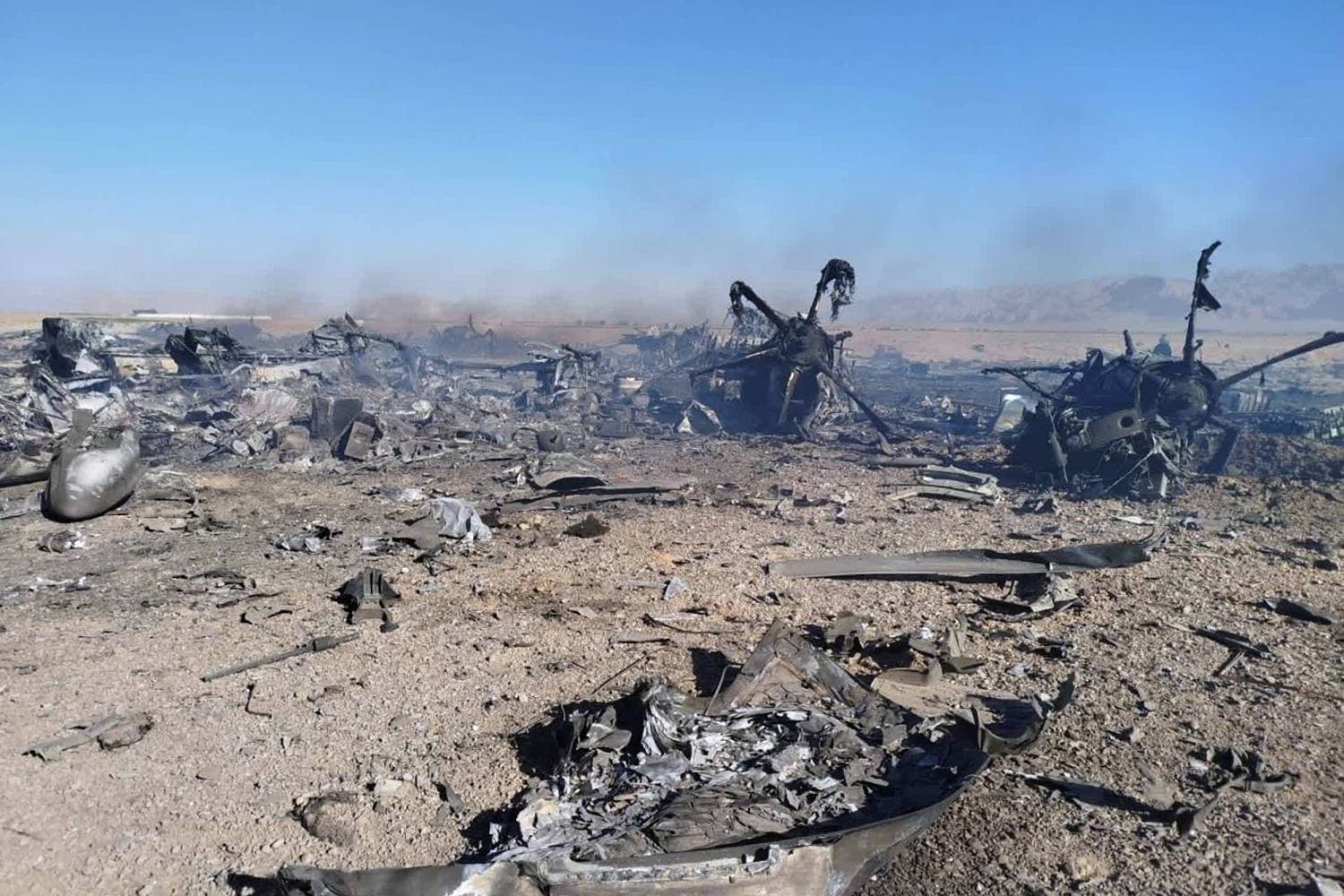
- On April 3, 2026, a U.S. F-15E Strike Eagle was shot down over Iran by an Iranian MANPADS amid ongoing military operations.
- Both crew members ejected safely, with one rescued shortly after and the other evading capture for nearly 48 hours.
- The incident highlights Iran's asymmetric warfare capabilities, despite the extensive damage to its conventional military forces.
The context you actually need
- The 2026 Iran war began on February 28, 2026, with U.S. and Israeli airstrikes targeting Iranian military assets, resulting in over 13,000 strikes reported by U.S. Central Command.
- Iran's response included closing the Strait of Hormuz, a critical chokepoint for global oil shipments, which has driven up oil prices and affected market stability.
- The U.S. military's swift rescue operation involved over 150 aircraft and special operations forces, showcasing the complexities of modern warfare and international military cooperation.
What's really happening
The downing of the F-15E Strike Eagle (callsign Dude 44) over the Zagros Mountains on April 3, 2026, underscores the evolving nature of asymmetric warfare. Iran's use of shoulder-fired missiles against U.S. aircraft reflects its strategic shift towards guerrilla tactics, leveraging portable anti-aircraft systems to counteract superior U.S. air power. This incident occurred during a broader U.S.-Israeli air campaign aimed at crippling Iran's military capabilities, particularly its nuclear and missile programs.
The U.S. response to the shootdown was immediate and multifaceted. The rapid rescue of the pilot and the successful extraction of the weapons systems officer after a prolonged evasion operation demonstrate the U.S. military's commitment to protecting its personnel. The operation involved complex logistics, including the deployment of over 150 aircraft and the utilization of CIA deception tactics to mislead Iranian search efforts. This level of military coordination highlights the stakes involved in the conflict and the lengths to which the U.S. will go to maintain operational integrity.
Iran's claims of additional U.S. losses, including an A-10 and MQ-9, serve to bolster its narrative of resilience against a technologically superior adversary. This incident not only impacts military dynamics but also has broader implications for international relations, particularly in the context of energy security. The closure of the Strait of Hormuz has already led to significant disruptions in oil shipments, pushing Brent crude prices above $120 per barrel and halving UAE crude output. The economic ramifications of these military actions extend beyond the region, affecting global markets and investor confidence.
As the situation unfolds, the potential for further escalation remains high. President Trump's ultimatum to Iran to reopen the Strait of Hormuz by April 8, 2026, or face severe consequences, adds another layer of tension. The ongoing military operations and the possibility of retaliatory actions could lead to a protracted conflict, with far-reaching effects on global energy supplies and geopolitical stability.
Who feels it first (and how)
- Energy sector professionals: Increased oil prices and supply chain disruptions will directly impact operations and profitability.
- Investors in global markets: Heightened volatility in stock markets, particularly in oil-dependent economies, will affect investment strategies.
- Consumers: Rising fuel prices will lead to increased costs for goods and services, impacting household budgets.
What to watch next
- Oil price fluctuations: Monitor Brent crude prices as they reflect market reactions to geopolitical tensions and supply chain disruptions.
- U.S. military operations: Keep an eye on the scale and scope of U.S. military responses in Iran, which could signal further escalation or de-escalation.
- Diplomatic negotiations: Watch for any ceasefire proposals or diplomatic efforts aimed at resolving tensions, particularly regarding the Strait of Hormuz.
The U.S. F-15E was shot down by an Iranian MANPADS, and both crew members were rescued.
Oil prices will continue to rise due to supply chain disruptions linked to the conflict.
The long-term implications of the U.S.-Iran conflict on global geopolitical stability and energy security.
Frequently Asked Questions
- Why it matters?
- The shootdown of a U.S. fighter jet signals a significant escalation in U.S.-Iran tensions, potentially affecting international energy markets and geopolitical stability.
- What happened (in 30 seconds)?
- On April 3, 2026, a U.S. F-15E Strike Eagle was shot down over Iran by an Iranian MANPADS amid ongoing military operations. Both crew members ejected safely, with one rescued shortly after and the other evading capture for nearly 48 hours. The incident highlights Iran's asymmetric warfare capabilities, despite the extensive damage to its conventional military forces.
- What's really happening?
- The downing of the F-15E Strike Eagle (callsign Dude 44) over the Zagros Mountains on April 3, 2026, underscores the evolving nature of asymmetric warfare. Iran's use of shoulder-fired missiles against U.S. aircraft reflects its strategic shift towards guerrilla tactics, leveraging portable anti-aircraft systems to counteract superior U.S. air power. This incident occurred during a broader U.S.-Israeli air campaign aimed at crippling Iran's military capabilities, particularly its nuclear and mis
- Who feels it first (and how)?
- Energy sector professionals: Increased oil prices and supply chain disruptions will directly impact operations and profitability. Investors in global markets: Heightened volatility in stock markets, particularly in oil-dependent economies, will affect investment strategies. Consumers: Rising fuel prices will lead to increased costs for goods and services, impacting household budgets.
- What to watch next?
- Oil price fluctuations: Monitor Brent crude prices as they reflect market reactions to geopolitical tensions and supply chain disruptions. U.S. military operations: Keep an eye on the scale and scope of U.S. military responses in Iran, which could signal further escalation or de-escalation. Diplomatic negotiations: Watch for any ceasefire proposals or diplomatic efforts aimed at resolving tensions, particularly regarding the Strait of Hormuz.
Business and tech news excluding paywalled content.
"High-volume business/tech outlet with frequent AI coverage."
— A47 Editor
Iran shoots down US Air Force A-10 Warthog in a firefight during fighter jet rescue mission
A U.S. Air Force A-10 Thunderbolt II was shot down in Iran while attempting to rescue crew members from a downed F-15 Strike Eagle fighter jet, marking a significant escalation in military operations in the region.
Focused political reporting and governmental affairs.
"NBC News is a mainstream media outlet known for comprehensive national and international news coverage with a centrist to slightly left-leaning editorial tone."
— A47 Editor
The U.S. fighter jet was downed in Iran by a shoulder-fired missile
An American F-15 fighter jet was shot down in Iran by a shoulder-fired missile, prompting a rescue operation for two airmen. President Donald Trump confirmed the incident, which has escalated tensions in the region. One airman was successfully rescue...
International stories from NPR’s global desk.
"NPR is an American public media organization known for thoughtful reporting and a slightly left-leaning editorial tone."
— A47 Editor
Trump provides details behind the dramatic rescue of an American airman trapped in Iran
President Trump detailed the successful rescue operation of an American airman following the downing of a U.S. F-15E Strike Eagle fighter jet in Iran. The operation involved complex military maneuvers and was executed in a hostile environment, with o...
News from the United States including domestic politics, society, and culture.
"Sky News is often seen as a center-right outlet in the UK, known for its rolling news coverage and emphasis on breaking stories and political affairs."
— A47 Editor
What we know about the F-15 pilot rescued from Iran mountain
A U.S. fighter pilot was successfully rescued from an Iranian mountain after an F-15E fighter jet was shot down, with footage of the crash site verified by Sky News. President Donald Trump praised the pilot's actions as heroic, highlighting the succe...
International news, politics, and culture.
"Sky News is a UK-based 24-hour channel known for fast-breaking news and political coverage."
— A47 Editor
What we know about the F-15 pilot rescued from Iran mountain
A U.S. fighter pilot was successfully rescued from an Iranian mountain after an F-15E fighter jet was shot down, with footage of the crash site verified by Sky News. President Donald Trump praised the pilot's actions as heroic, highlighting the succe...
Coverage of national news and events from across the United States.
"HuffPost is known for its progressive editorial stance, offering opinionated yet comprehensive coverage on social, political, and cultural topics."
— A47 Editor
How The United States Rescued 2 Aviators After Iran Shot Down Their Fighter Jet
The United States military successfully executed a rescue operation to retrieve two aviators after their F-15E fighter jet was shot down over Iran. One pilot was rescued from behind enemy lines, while efforts were ongoing to locate the second service...