
Oil Prices Surge Amid U.S. Military Threats to Iran Over Strait of Hormuz
Here's what it means for you.
If you rely on oil or gas, expect fluctuating prices that could impact your budget and business operations.
Why it matters
The ongoing geopolitical tensions are significantly affecting global energy markets, which can lead to higher costs for consumers and businesses alike.
What happened (in 30 seconds)
- Oil prices surged on April 6, 2026, with WTI crude settling above $112 per barrel due to President Trump's threats against Iran.
- Market volatility was driven by fears of further military escalation and disruptions in the Strait of Hormuz, a critical oil shipping route.
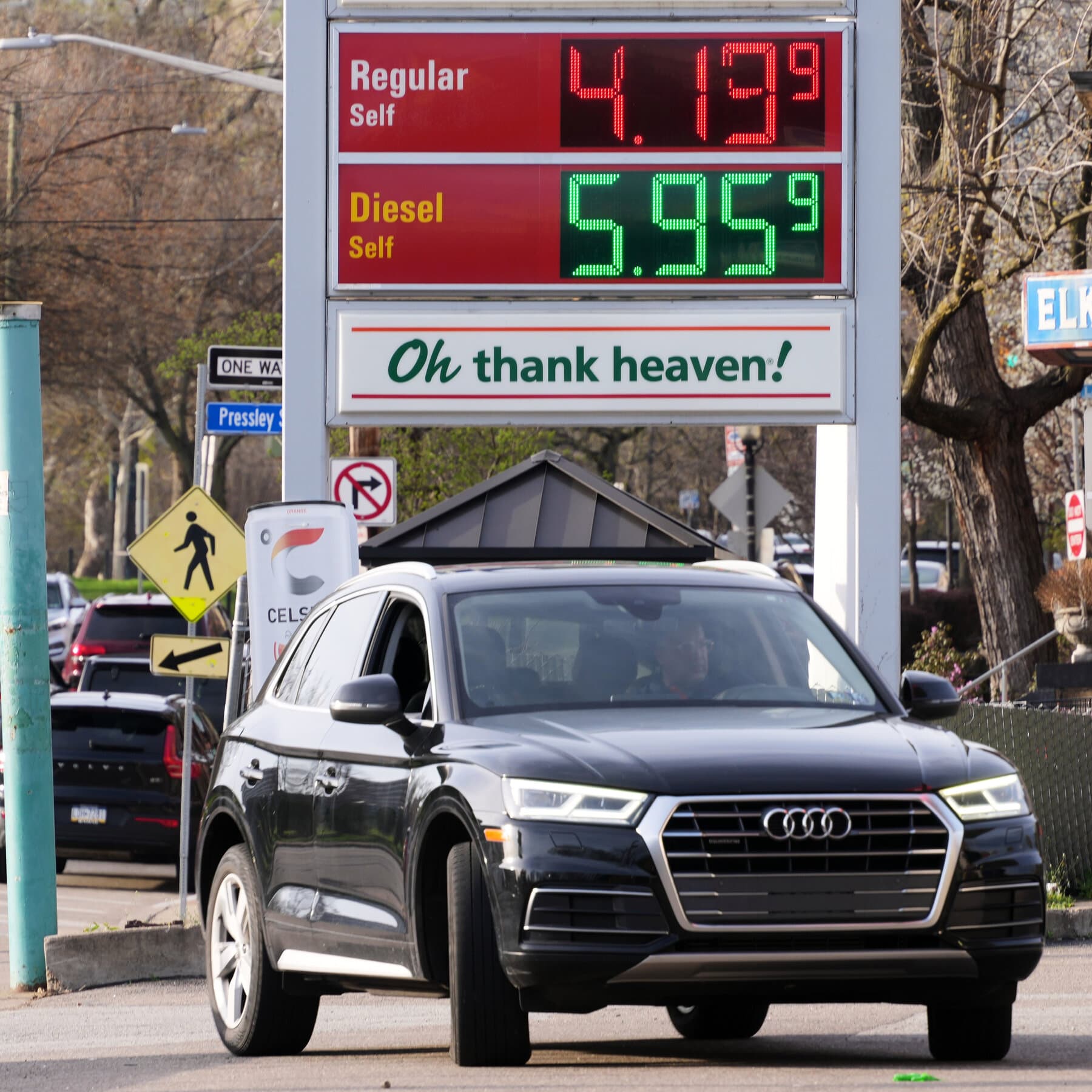
- U.S. gasoline prices reached $4.12 per gallon, reflecting supply constraints amid the ongoing Iran War and the blockade of the Strait.
The context you actually need
- The 2026 Iran War began on February 28, 2026, with U.S.-Israeli airstrikes prompting Iranian retaliation and the closure of the Strait of Hormuz on March 4, disrupting 20% of global oil flows.
- Oil prices skyrocketed from $72 per barrel pre-war to over $112 by late March, as Gulf production was curtailed by 10 million barrels daily.
- Trump's mixed signals on military action have created uncertainty, with threats of strikes alternating with proposals for de-escalation, further complicating market dynamics.
What's really happening
On April 5, 2026, President Trump escalated tensions by threatening Iranian leaders via social media, warning of potential strikes on energy targets unless the Strait of Hormuz was reopened by April 8. This statement sent shockwaves through the oil markets, causing West Texas Intermediate (WTI) crude to fluctuate significantly before settling at $112 per barrel, up 0.8%, while Brent crude rose to $110, up 0.7%. The threats were juxtaposed against reports of tentative increases in tanker traffic through the Strait, which had been severely impacted since the war began.
The Strait of Hormuz is a vital chokepoint for global oil shipments, with approximately 20% of the world's seaborne oil passing through it. The closure of this route has led to a dramatic increase in oil prices, which surged from $72 per barrel before the war to over $112 by late March. This price hike reflects the "threat premium" investors are willing to pay amid fears of supply disruptions.
In the days leading up to April 6, market participants were weighing the risks of military escalation against the possibility of a ceasefire. Speculation around a potential ceasefire had led to mixed equity performance, with U.S. stocks drifting higher as traders hoped for a resolution. However, the Iranian government rejected a 45-day truce proposal, further complicating the situation.
On April 8, Trump announced a two-week pause on military strikes, which resulted in an 11% drop in oil prices and a rally in U.S. stocks, with Dow futures climbing by 700 points. This volatility highlights the interconnectedness of geopolitical events and market reactions, where a single announcement can lead to significant shifts in oil prices and stock market performance.
The situation remains fluid, with ongoing tensions and military actions likely to continue influencing oil prices and global economic stability.
Who feels it first (and how)
- Consumers: Higher gasoline prices directly impact household budgets, especially for those commuting or traveling.
- Businesses: Companies reliant on oil and gas for operations may face increased costs, affecting pricing strategies and profit margins.
- Investors: Volatility in oil prices can lead to fluctuations in stock markets, impacting investment portfolios.
- Middle Eastern economies: Countries in the Gulf region may experience economic downturns due to reduced oil exports and production constraints.
- Global supply chains: Industries dependent on oil for transportation may see increased costs, leading to higher prices for goods.
What to watch next
- Ceasefire negotiations: Continued discussions between the U.S. and Iran could stabilize oil prices if a resolution is reached.
- U.S. gasoline prices: Monitoring fluctuations in gasoline prices will provide insight into consumer spending and inflation trends.
- Global oil production levels: Changes in production from Gulf states will indicate how the market is responding to ongoing tensions and supply constraints.
Oil prices are highly sensitive to geopolitical events, particularly in the Middle East.
Continued volatility in oil prices as tensions persist and negotiations unfold.
The long-term impact on global supply chains and economic growth in affected regions.
Frequently Asked Questions
- Why it matters?
- The ongoing geopolitical tensions are significantly affecting global energy markets, which can lead to higher costs for consumers and businesses alike.
- What happened (in 30 seconds)?
- Oil prices surged on April 6, 2026, with WTI crude settling above $112 per barrel due to President Trump's threats against Iran. Market volatility was driven by fears of further military escalation and disruptions in the Strait of Hormuz, a critical oil shipping route. U.S. gasoline prices reached $4.12 per gallon, reflecting supply constraints amid the ongoing Iran War and the blockade of the Strait.
- What's really happening?
- On April 5, 2026, President Trump escalated tensions by threatening Iranian leaders via social media, warning of potential strikes on energy targets unless the Strait of Hormuz was reopened by April 8. This statement sent shockwaves through the oil markets, causing West Texas Intermediate (WTI) crude to fluctuate significantly before settling at $112 per barrel, up 0.8%, while Brent crude rose to $110, up 0.7%. The threats were juxtaposed against reports of tentative increases in tanker traffic
- Who feels it first (and how)?
- Consumers: Higher gasoline prices directly impact household budgets, especially for those commuting or traveling. Businesses: Companies reliant on oil and gas for operations may face increased costs, affecting pricing strategies and profit margins. Investors: Volatility in oil prices can lead to fluctuations in stock markets, impacting investment portfolios. Middle Eastern economies: Countries in the Gulf region may experience economic downturns due to reduced oil exports and production co
- What to watch next?
- Ceasefire negotiations: Continued discussions between the U.S. and Iran could stabilize oil prices if a resolution is reached. U.S. gasoline prices: Monitoring fluctuations in gasoline prices will provide insight into consumer spending and inflation trends. Global oil production levels: Changes in production from Gulf states will indicate how the market is responding to ongoing tensions and supply constraints.
Regional coverage and analysis focused on politics, diplomacy, and business across the Middle East.
"Al-Monitor is known for analytical reporting on Middle East politics and policy developments."
— A47 Editor
Trump's threat to Iran shocks global leaders, unnerves some Republicans
U.S. President Donald Trump has issued a stark ultimatum to Iran, threatening military action against critical infrastructure if Tehran does not comply with demands regarding the reopening of the strategically vital Strait of Hormuz. This warning has...
Capitol Hill news, legislation, and policy insight.
"The Hill specializes in U.S. politics and policy, with a focus on Capitol Hill developments and a reputation for insider reporting."
— A47 Editor
GOP uneasiness over Trump Iran threats grows as deadline ticks closer
President Trump's escalating threats against Iran have heightened tensions on Capitol Hill, particularly as he imposed an 8 p.m. deadline for Tehran to comply with demands regarding the reopening of the Strait of Hormuz. Just before the deadline, Tru...
European coverage of Middle East politics and security issues.
"France 24 offers international reporting with a European editorial perspective."
— A47 Editor
Donald Trump issues expletive threat to Iran over Hormuz Strait blockage
President Donald Trump has issued a profanity-laden ultimatum to Iran, demanding the reopening of the strategic Strait of Hormuz within 48 hours or face severe military action targeting critical infrastructure. This warning follows escalating tension...
Coverage of current events and conflicts in the Middle East.
"France 24 is viewed as a globally focused outlet with balanced coverage and a European perspective."
— A47 Editor
Donald Trump issues expletive threat to Iran over Hormuz Strait blockage
President Donald Trump has issued a profanity-laden ultimatum to Iran, demanding the reopening of the strategic Strait of Hormuz within 48 hours or face severe military action targeting critical infrastructure. This warning follows escalating tension...
European coverage of Middle East politics and security issues.
"France 24 offers international reporting with a European editorial perspective."
— A47 Editor
Donald Trump threatens "hell" unless Tehran reopens Hormuz Strait
U.S. President Donald Trump has issued a stark ultimatum to Iran, demanding the reopening of the strategically vital Strait of Hormuz within 48 hours or face severe military action. This warning follows heightened tensions after the downing of U.S. m...
Coverage of current events and conflicts in the Middle East.
"France 24 is viewed as a globally focused outlet with balanced coverage and a European perspective."
— A47 Editor
Donald Trump threatens "hell" unless Tehran reopens Hormuz Strait
President Donald Trump has issued a stark ultimatum to Iran, demanding the reopening of the strategic Strait of Hormuz within 48 hours or face severe military action. This threat follows heightened tensions after the downing of U.S. military jets by ...
Markets, economy, and company analysis from NYT’s business desk.
"The New York Times is a globally recognized newspaper offering authoritative reporting with a center-left editorial stance."
— A47 Editor
Oil Seesaws After Trump’s Latest Threats on Iran
President Donald Trump has intensified tensions with Iran by threatening military action if the Strait of Hormuz is not reopened, a crucial maritime route for global oil shipments. This warning follows a series of escalating threats and has caused si...
U.S. national news with a West Coast perspective.
"The Los Angeles Times is a major West Coast newspaper offering in-depth reporting with a liberal editorial tone and strong regional focus."
— A47 Editor
After daring rescue inside Iran, bellowing threats from Trump
President Trump has issued a stern ultimatum to Iran, demanding the reopening of the Strait of Hormuz by a self-imposed deadline, or face severe military action. This threat follows the successful rescue of a U.S. airman in Iran, highlighting the esc...
International news with cultural insight.
"The Los Angeles Times is a major West Coast newspaper offering in-depth reporting with a liberal editorial tone and strong regional focus."
— A47 Editor
After daring rescue inside Iran, bellowing threats from Trump
President Trump has issued a stern ultimatum to Iran, demanding the reopening of the Strait of Hormuz by a self-imposed deadline, or face severe military action. This threat follows the successful rescue of a U.S. airman in Iran, highlighting the esc...