
Coin Center Claims Cryptocurrency Software Publication is Protected Speech Under First Amendment
Here's what it means for you.
If you’re involved in cryptocurrency development or investment, understanding the legal landscape around software publication could significantly impact your operations and compliance strategies.
Why it matters
This report could redefine the legal protections for software developers in the cryptocurrency space, influencing how regulators approach open-source code.
What happened (in 30 seconds)
- In April 2026, Coin Center published a report asserting that cryptocurrency software publication is protected speech under the First Amendment.
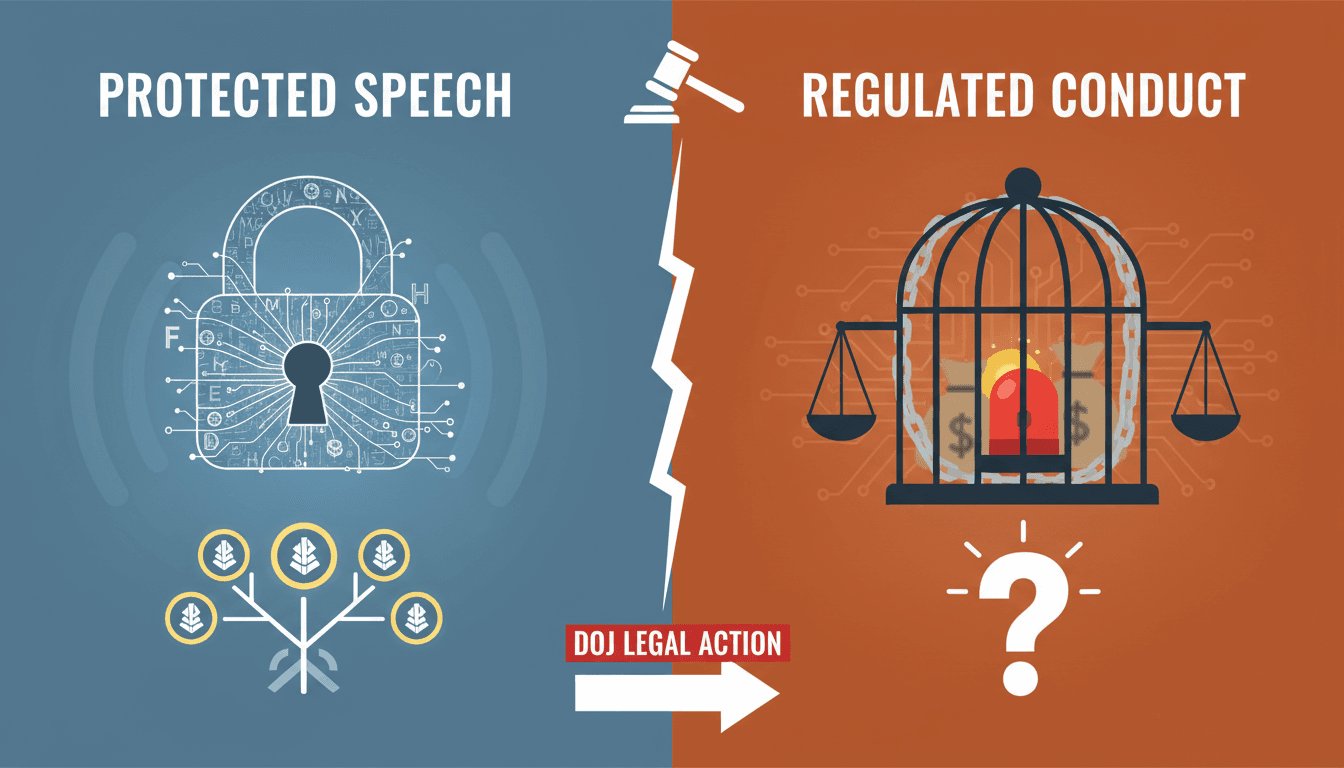
- The report critiques the U.S. Department of Justice's prosecutions of developers, arguing that code dissemination should not be treated as regulated conduct.
- Key legal precedents are invoked, including Supreme Court cases, to support the argument that software publication is an expressive act deserving of constitutional protections.
The context you actually need
- Escalating legal pressures on cryptocurrency developers have emerged, particularly following the 2022 sanctions on Tornado Cash and subsequent arrests of developers.
- Coin Center's advocacy is rooted in First Amendment protections, aiming to distinguish between software publication and operational activities like asset custody.
- The report's implications extend beyond the U.S., as regulatory frameworks in places like Dubai contrast sharply with American approaches, potentially attracting developers to more favorable environments.
What's really happening
Coin Center's report, titled "Software is Speech: Why Regulators Cannot Invent the Missing Middlemen," emerges amid a backdrop of increasing legal scrutiny on cryptocurrency developers in the United States. The nonprofit organization argues that the act of publishing cryptocurrency software—such as node clients, smart contracts, and user interfaces—should be classified as expressive speech rather than conduct subject to regulation. This distinction is crucial, as it challenges the current narrative that equates software publication with facilitating unlicensed financial services.
The report critiques the so-called "functional code theory," which diminishes the protections afforded to software developers. Coin Center asserts that regulators' demands for surveillance features in software are unconstitutional prior restraints on free speech. By referencing landmark Supreme Court cases, including Sorrell v. IMS Health (2011) and 303 Creative LLC v. Elenis (2023), the report builds a robust legal framework supporting its claims. It also highlights ongoing litigation, such as U.S. v. Storm, where these arguments are being tested in court.
The implications of this report are significant. If courts accept Coin Center's arguments, it could lead to a more favorable legal environment for developers, allowing them to publish code without fear of prosecution. This would not only protect individual developers but could also foster innovation within the cryptocurrency space, as more individuals may feel empowered to create and share software without the looming threat of legal repercussions.
Moreover, the report's timing is critical. With the U.S. Department of Justice actively prosecuting developers under money transmission laws, Coin Center's advocacy could serve as a counterbalance to these efforts. The organization aims to clarify that publishing open-source code is a form of expression, thus deserving of First Amendment protections. This could lead to a reevaluation of how regulators approach software development in the cryptocurrency sector.
As the legal landscape evolves, the report positions Coin Center as a key player in advocating for developer rights. The ongoing influence of this report in litigation and its potential to shape future regulatory frameworks will be closely monitored by stakeholders across the cryptocurrency ecosystem.
Who feels it first (and how)
- Cryptocurrency developers: They may experience immediate legal protections, allowing for more innovation without fear of prosecution.
- Investors and users: A more favorable legal environment could lead to increased investment in cryptocurrency projects, enhancing market stability.
- Regulatory bodies: They will need to reassess their approaches to software publication, potentially leading to a shift in enforcement strategies.
What to watch next
- Court rulings in ongoing litigation: Decisions in cases like U.S. v. Storm will be pivotal in determining the legal status of software publication.
- Regulatory responses: How U.S. regulators adapt to this report could signal a shift in their approach to cryptocurrency oversight.
- International regulatory trends: Observing how other jurisdictions, like Dubai, handle similar issues may influence U.S. policy and attract developers to more favorable environments.
Coin Center's report has been published and is influencing ongoing litigation.
Courts may begin to recognize software publication as protected speech, reshaping the legal landscape for developers.
The long-term impact on regulatory frameworks and developer behavior remains to be seen.
Frequently Asked Questions
- Why it matters?
- This report could redefine the legal protections for software developers in the cryptocurrency space, influencing how regulators approach open-source code.
- What happened (in 30 seconds)?
- In April 2026, Coin Center published a report asserting that cryptocurrency software publication is protected speech under the First Amendment. The report critiques the U.S. Department of Justice's prosecutions of developers, arguing that code dissemination should not be treated as regulated conduct. Key legal precedents are invoked, including Supreme Court cases, to support the argument that software publication is an expressive act deserving of constitutional protections.
- What's really happening?
- Coin Center's report, titled "Software is Speech: Why Regulators Cannot Invent the Missing Middlemen," emerges amid a backdrop of increasing legal scrutiny on cryptocurrency developers in the United States. The nonprofit organization argues that the act of publishing cryptocurrency software—such as node clients, smart contracts, and user interfaces—should be classified as expressive speech rather than conduct subject to regulation. This distinction is crucial, as it challenges the current narrat
- Who feels it first (and how)?
- Cryptocurrency developers: They may experience immediate legal protections, allowing for more innovation without fear of prosecution. Investors and users: A more favorable legal environment could lead to increased investment in cryptocurrency projects, enhancing market stability. Regulatory bodies: They will need to reassess their approaches to software publication, potentially leading to a shift in enforcement strategies.
- What to watch next?
- Court rulings in ongoing litigation: Decisions in cases like U.S. v. Storm will be pivotal in determining the legal status of software publication. Regulatory responses: How U.S. regulators adapt to this report could signal a shift in their approach to cryptocurrency oversight. International regulatory trends: Observing how other jurisdictions, like Dubai, handle similar issues may influence U.S. policy and attract developers to more favorable environments.
Real-time updates, analysis, and reports on the blockchain and cryptocurrency sectors.
"Crypto News delivers real-time updates, analysis, and reports on the blockchain and cryptocurrency sectors."
— A47 Editor
Crypto code is speech, not conduct, Coin Center tells U.S. courts
Coin Center has intensified its defense of cryptocurrency developers by asserting that the publication of software code should be recognized as protected speech under the U.S. Constitution. This assertion was made by Executive Director Peter Van Valk...
Covers blockchain, cryptocurrency news, project analysis, and market insights.
"Cointelegraph is a leading crypto-focused media outlet known for timely news, analysis, and educational content related to blockchain and digital assets."
— A47 Editor
Code is ‘functional’ free speech under the First Amendment: Coin Center
Coin Center has asserted that the publication of software code by cryptocurrency developers should be considered 'functional' free speech under the First Amendment, addressing concerns about potential criminal liability following recent high-profile ...