
US-Iran Ceasefire Enters Fragile Phase Amid Ongoing Regional Tensions
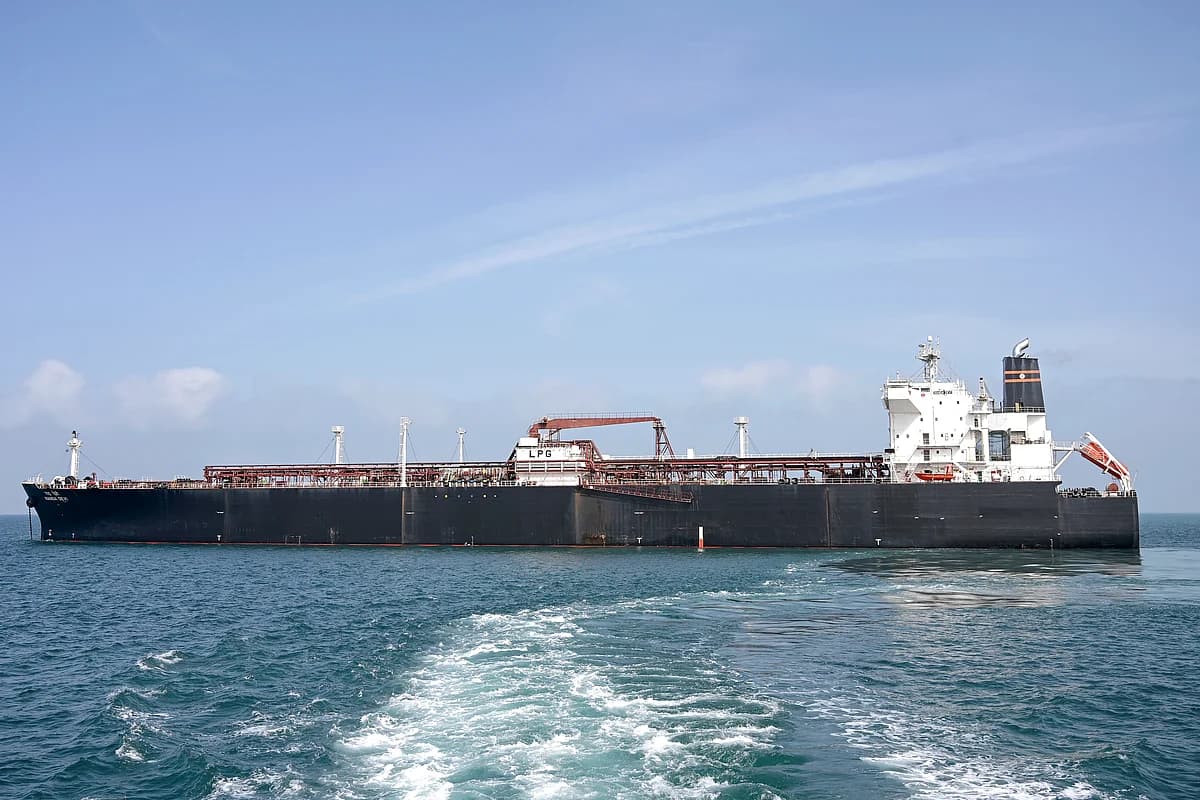
Here's what it means for you.
If you rely on global oil markets, the fragile ceasefire could impact prices and availability in the coming weeks.
Why it matters
The Strait of Hormuz is a critical chokepoint for global oil supply, and any disruption can lead to significant economic repercussions worldwide.
What happened (in 30 seconds)
- April 7, 2026: The US and Iran agreed to a two-week ceasefire, mediated by Pakistan, amid ongoing conflict.
- April 8, 2026: Limited non-oil vessel transits were permitted, but no oil tankers have passed since the ceasefire began.
- April 9, 2026: Iran threatened to fully close the Strait in response to Israeli military actions, jeopardizing the ceasefire.
The context you actually need
- February 28, 2026: A conflict erupted between the US, Israel, and Iran, leading to a blockade of the Strait of Hormuz by Iran.
- 20% of global oil supply transits through the Strait, making its security vital for international energy markets.
- Regional tensions remain high, with ongoing military actions complicating the ceasefire and peace talks.
What's really happening
The recent ceasefire between the US and Iran is a temporary pause in a conflict that has escalated significantly since late February 2026. The initial hostilities began with US and Israeli strikes on Iranian targets, which prompted Iran to impose a blockade on the Strait of Hormuz. This blockade is particularly concerning as it affects approximately 20% of the world's oil supply, leading to a surge in oil prices that reached $118 per barrel by late March. The geopolitical stakes are high, as the Strait serves as a critical artery for oil transportation, and any disruption can have cascading effects on global markets.
The ceasefire, brokered by Pakistan, allows for limited non-oil vessel transits but has not yet facilitated the passage of oil tankers. As of April 9, no oil tankers have been reported to transit the Strait, raising concerns about supply shortages and potential price hikes. Iran's control over the Strait means that it can dictate terms for passage, and the recent threats to fully close it in response to Israeli military actions underscore the fragility of the situation.
Moreover, the ceasefire is complicated by ongoing military operations in the region, including Israeli airstrikes on Lebanon and Iranian retaliatory actions targeting Gulf oil facilities. These developments not only test the ceasefire but also highlight the interconnectedness of regional conflicts and their implications for global energy security.
The economic ramifications are already being felt, with Brent crude oil prices falling to $94 per barrel on ceasefire optimism, yet remaining elevated compared to pre-conflict levels of $70.75. The volatility in oil prices can directly impact consumers and businesses worldwide, particularly those reliant on stable energy costs. As the situation evolves, the potential for renewed hostilities remains a significant concern, with both the US and Iran holding firm on their demands regarding nuclear enrichment and regional de-escalation.
Who feels it first (and how)
- Oil companies: Fluctuations in oil prices directly affect profitability and operational costs.
- Consumers: Higher oil prices can lead to increased fuel costs, impacting transportation and goods prices.
- Investors: Stock markets may react to changes in oil prices and geopolitical stability, influencing investment strategies.
- Governments: Nations dependent on oil imports may face economic strain from rising prices and supply uncertainties.
- Logistics and shipping sectors: Restrictions on the Strait can disrupt global shipping routes, affecting delivery times and costs.
What to watch next
- Oil price movements: Monitor how prices react to the ceasefire and any further military actions in the region, as this will impact global markets.
- Peace talks in Islamabad: The outcomes of the scheduled talks on April 10 will be crucial in determining the future of the ceasefire and regional stability.
- Iran's military actions: Continued threats or actions from Iran could escalate tensions and lead to further restrictions on the Strait, impacting global oil supply.
The Strait of Hormuz is under Iranian control, and the ceasefire is fragile.
Oil prices will remain volatile as geopolitical tensions persist, affecting global markets.
The long-term sustainability of the ceasefire and its impact on regional stability remains uncertain.
Frequently Asked Questions
- Why it matters?
- The Strait of Hormuz is a critical chokepoint for global oil supply, and any disruption can lead to significant economic repercussions worldwide.
- What happened (in 30 seconds)?
- April 7, 2026: The US and Iran agreed to a two-week ceasefire, mediated by Pakistan, amid ongoing conflict. April 8, 2026: Limited non-oil vessel transits were permitted, but no oil tankers have passed since the ceasefire began. April 9, 2026: Iran threatened to fully close the Strait in response to Israeli military actions, jeopardizing the ceasefire.
- What's really happening?
- The recent ceasefire between the US and Iran is a temporary pause in a conflict that has escalated significantly since late February 2026. The initial hostilities began with US and Israeli strikes on Iranian targets, which prompted Iran to impose a blockade on the Strait of Hormuz. This blockade is particularly concerning as it affects approximately 20% of the world's oil supply, leading to a surge in oil prices that reached $118 per barrel by late March. The geopolitical stakes are high, as the
- Who feels it first (and how)?
- Oil companies: Fluctuations in oil prices directly affect profitability and operational costs. Consumers: Higher oil prices can lead to increased fuel costs, impacting transportation and goods prices. Investors: Stock markets may react to changes in oil prices and geopolitical stability, influencing investment strategies. Governments: Nations dependent on oil imports may face economic strain from rising prices and supply uncertainties. Logistics and shipping sectors: Restrictions on the
- What to watch next?
- Oil price movements: Monitor how prices react to the ceasefire and any further military actions in the region, as this will impact global markets. Peace talks in Islamabad: The outcomes of the scheduled talks on April 10 will be crucial in determining the future of the ceasefire and regional stability. Iran's military actions: Continued threats or actions from Iran could escalate tensions and lead to further restrictions on the Strait, impacting global oil supply.
UAE-based newspaper covering Gulf politics, society, and international developments.
"Gulf News is one of the UAE’s most prominent English-language publications."
— A47 Editor
US-Iran truce hangs in balance as war flares in Lebanon
A two-week ceasefire between the United States and Iran has been agreed upon, facilitated by Pakistan, just hours before President Donald Trump's ultimatum regarding the reopening of the strategically vital Strait of Hormuz. This agreement comes amid...
A curated Gulf News feed featuring major stories across news, business, opinion, and lifestyle.
"Gulf News is a major UAE newspaper whose featured stories feed reflects a broad editorial mix shaped for a Gulf audience."
— A47 Editor
US-Iran truce hangs in balance as war flares in Lebanon
A two-week ceasefire between the United States and Iran has been agreed upon, facilitated by Pakistan, just hours before President Donald Trump's ultimatum regarding the reopening of the strategically vital Strait of Hormuz. This agreement comes amid...
Focused political reporting and governmental affairs.
"NBC News is a mainstream media outlet known for comprehensive national and international news coverage with a centrist to slightly left-leaning editorial tone."
— A47 Editor
Ceasefire deal a ‘delicate tightrope walk’ after Iran accuses U.S. and Israel of violating agreement
A fragile ceasefire has been established between the United States and Iran, announced by President Trump, which is contingent upon Iran's commitment to reopen the strategically vital Strait of Hormuz. This agreement follows a series of escalating mi...
Comprehensive coverage of Middle Eastern and global issues.
"Al Jazeera is a prominent voice from the Global South, especially the Middle East, with an emphasis on underreported stories."
— A47 Editor
Iranians breathe a ‘ceasefire’ sigh of relief as all sides claim victory
A provisional two-week ceasefire has been announced between the United States and Iran, leading to mixed reactions in Tehran where celebrations coexist with skepticism about the agreement's longevity. The ceasefire allows for the reopening of the str...
Breaking news and analysis from the UAE and Gulf region.
"Khaleej Times is a long-running UAE publication with broad regional coverage."
— A47 Editor
Explained: Is the Strait of Hormuz open? What we know about US-Iran ceasefire
The United States and Iran have agreed to a two-week ceasefire, marking a significant pause in escalating military tensions that had threatened further conflict in the Middle East. This truce was reached just before a deadline set by President Donald...
News from the United States including domestic politics, society, and culture.
"The Guardian is known for its progressive editorial stance and in-depth analysis, often advocating for social justice, environmental issues, and liberal values."
— A47 Editor
US and Iran agree to provisional ceasefire as Tehran says it will reopen strait of Hormuz | First Thing
The United States and Iran have reached a provisional two-week ceasefire, announced by President Trump, which includes Iran's commitment to reopen the strategically vital Strait of Hormuz. This agreement follows a last-minute diplomatic intervention ...
International coverage from The Guardian's global desks.
"The Guardian is known for its progressive editorial stance and in-depth analysis."
— A47 Editor
US and Iran agree to provisional ceasefire as Tehran says it will reopen strait of Hormuz | First Thing
The United States and Iran have reached a provisional two-week ceasefire, announced by President Trump, which includes Iran's commitment to reopen the strategically vital Strait of Hormuz. This agreement follows a last-minute diplomatic intervention ...