
Iran War Triggers Financial Market Volatility and Supply Chain Disruptions
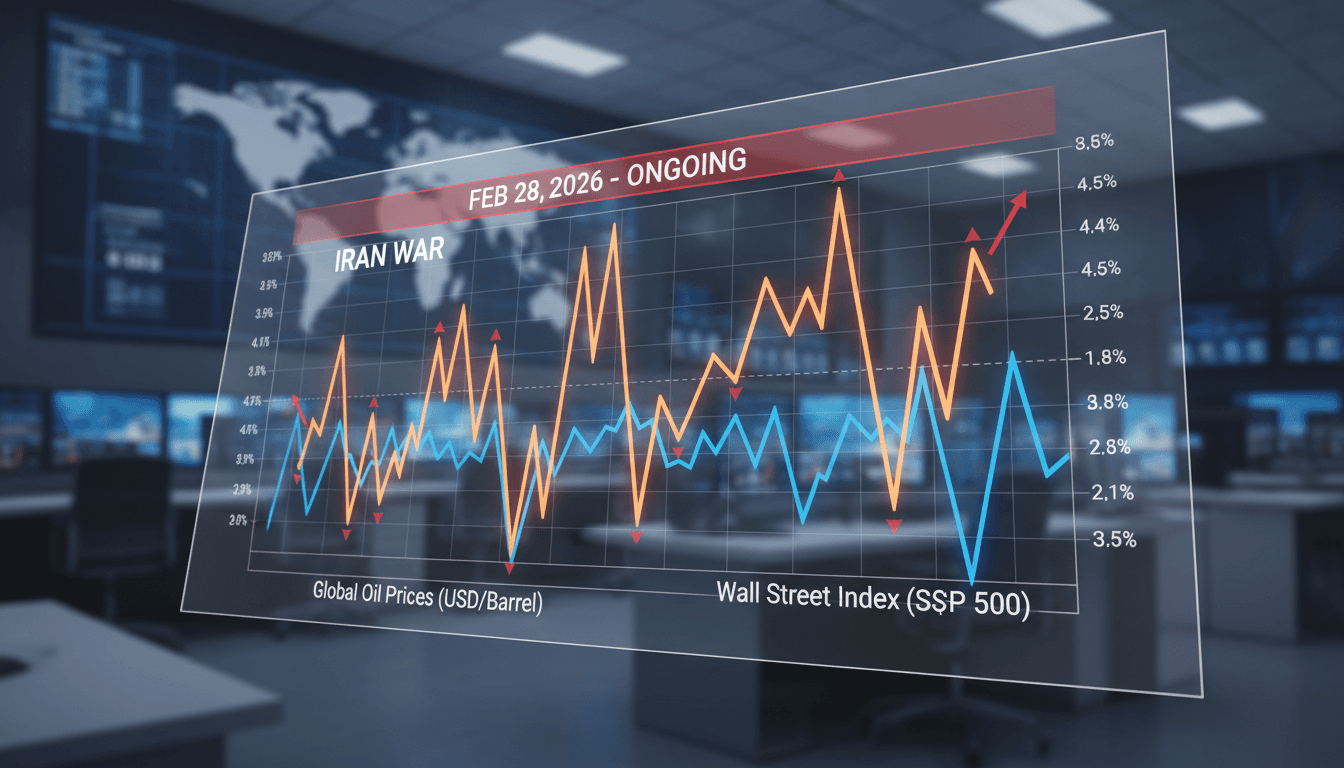
Here's what it means for you.
If you're invested in equities, the ongoing conflict could significantly impact your portfolio's performance.
Why it matters
The 2026 Iran War has triggered volatility in global markets, particularly Wall Street, as geopolitical tensions disrupt oil supplies and economic stability.
What happened (in 30 seconds)
- February 28, 2026: The US and Israel launched airstrikes on Iranian targets, escalating military conflict.
- March 2026: Iran retaliated with missile strikes, leading to a surge in oil prices and initial declines in major Wall Street indices.
- April 2026: A fragile ceasefire was established, but ongoing tensions and a US naval blockade continue to threaten market stability.
The context you actually need
- Geopolitical tensions: The conflict stems from a series of escalating events, including missile exchanges and military buildups in the region.
- Oil market impact: The closure of the Strait of Hormuz has led to a significant spike in oil prices, peaking at $120 per barrel, affecting global supply chains.
- Market reactions: Wall Street indices initially fell, with the S&P 500 facing its worst quarter since 2022, but recent ceasefire hopes have led to some recovery.
What's really happening
The 2026 Iran War is a culmination of years of escalating tensions in the Middle East, rooted in the aftermath of the 2023 crisis and subsequent military actions. The US and Israel's preemptive strikes on February 28 targeted Iran's nuclear capabilities and leadership, aiming to enforce disarmament and secure the vital Strait of Hormuz. This strategic waterway is crucial for global oil transport, and its temporary closure has led to a dramatic increase in oil prices, which surged over 40% shortly after the conflict began.
As the war progressed, Iran's retaliatory missile strikes on US bases and allies heightened fears of a broader regional conflict. The death toll among Iranian forces exceeded 6,000, and diplomatic efforts to de-escalate tensions have largely failed. The involvement of groups like Hezbollah and the Houthi movement further complicates the situation, as they have engaged in attacks that threaten regional stability.
The fragile ceasefire established on April 8, 2026, has not alleviated concerns. The US maintains a naval blockade, and indirect peace talks are ongoing, but the situation remains precarious. Wall Street's initial response was negative, with major indices experiencing declines as investors reacted to the uncertainty and rising energy costs. The Dow Jones fell over 400 points, and the S&P 500 dropped 0.7% shortly after the conflict escalated.
Despite recent rallies fueled by hopes for a lasting ceasefire, the underlying risks remain. Inflation pressures from rising oil prices and supply chain disruptions continue to loom over the market. The UAE's stock markets have also suffered, losing $120 billion in value since the war's onset, as expatriates flee and economic growth forecasts are downgraded.
Investors are now navigating a complex landscape where geopolitical risks directly impact market performance. The ongoing conflict not only threatens energy prices but also raises questions about the stability of global supply chains and the broader economic outlook.
Who feels it first (and how)
- Investors: Those with significant equity holdings are experiencing volatility and potential losses.
- Energy sector: Companies reliant on stable oil prices face increased operational costs and market uncertainty.
- Expatriates in the UAE: The exodus of expatriates threatens the economic stability of Dubai and Abu Dhabi.
- Consumers: Rising energy prices will likely lead to increased costs for goods and services, impacting household budgets.
What to watch next
- Oil price fluctuations: Monitoring Brent crude prices will be crucial, as sustained high prices could exacerbate inflation and economic instability.
- Ceasefire developments: Any shifts in the ceasefire status or peace talks could significantly impact market sentiment and investor confidence.
- US economic indicators: Keep an eye on inflation rates and employment data, as these will influence Federal Reserve policy and market reactions.
The conflict has disrupted oil supplies and caused initial declines in Wall Street indices.
Continued volatility in equity markets as geopolitical tensions persist and inflation pressures mount.
The long-term economic impact on global markets and the potential for further military escalation.
Frequently Asked Questions
- Why it matters?
- The 2026 Iran War has triggered volatility in global markets, particularly Wall Street, as geopolitical tensions disrupt oil supplies and economic stability.
- What happened (in 30 seconds)?
- February 28, 2026: The US and Israel launched airstrikes on Iranian targets, escalating military conflict. March 2026: Iran retaliated with missile strikes, leading to a surge in oil prices and initial declines in major Wall Street indices. April 2026: A fragile ceasefire was established, but ongoing tensions and a US naval blockade continue to threaten market stability.
- What's really happening?
- The 2026 Iran War is a culmination of years of escalating tensions in the Middle East, rooted in the aftermath of the 2023 crisis and subsequent military actions. The US and Israel's preemptive strikes on February 28 targeted Iran's nuclear capabilities and leadership, aiming to enforce disarmament and secure the vital Strait of Hormuz. This strategic waterway is crucial for global oil transport, and its temporary closure has led to a dramatic increase in oil prices, which surged over 40% shortl
- Who feels it first (and how)?
- Investors: Those with significant equity holdings are experiencing volatility and potential losses. Energy sector: Companies reliant on stable oil prices face increased operational costs and market uncertainty. Expatriates in the UAE: The exodus of expatriates threatens the economic stability of Dubai and Abu Dhabi. Consumers: Rising energy prices will likely lead to increased costs for goods and services, impacting household budgets.
- What to watch next?
- Oil price fluctuations: Monitoring Brent crude prices will be crucial, as sustained high prices could exacerbate inflation and economic instability. Ceasefire developments: Any shifts in the ceasefire status or peace talks could significantly impact market sentiment and investor confidence. US economic indicators: Keep an eye on inflation rates and employment data, as these will influence Federal Reserve policy and market reactions.
Editor-curated FT homepage stories spanning markets, business, world, and opinion.
"The Financial Times is a globally respected business publication with a centrist/center-left tone and strong markets focus."
— A47 Editor
How the Iran war could hurt Wall Street
The ongoing conflict in Iran has raised concerns about its potential impact on Wall Street, particularly regarding investment priorities in the Gulf region over the next couple of years. Analysts are closely monitoring how geopolitical tensions may r...
Oil, metals, and agriculture: supply/demand headlines, OPEC chatter, inventories, and price action.
"Solid tape for energy and metals traders tracking macro and micro catalysts."
— A47 Editor
How 50 days of the Iran war led to the loss of $50 billion worth of oil
The ongoing conflict in Iran has led to significant disruptions in the oil market, resulting in an estimated loss of $50 billion worth of oil over the past 50 days. This turmoil has been exacerbated by the near-closure of the Strait of Hormuz, a vita...