
Glencore and Mercuria Increase LNG Offtake Agreements with Commonwealth LNG
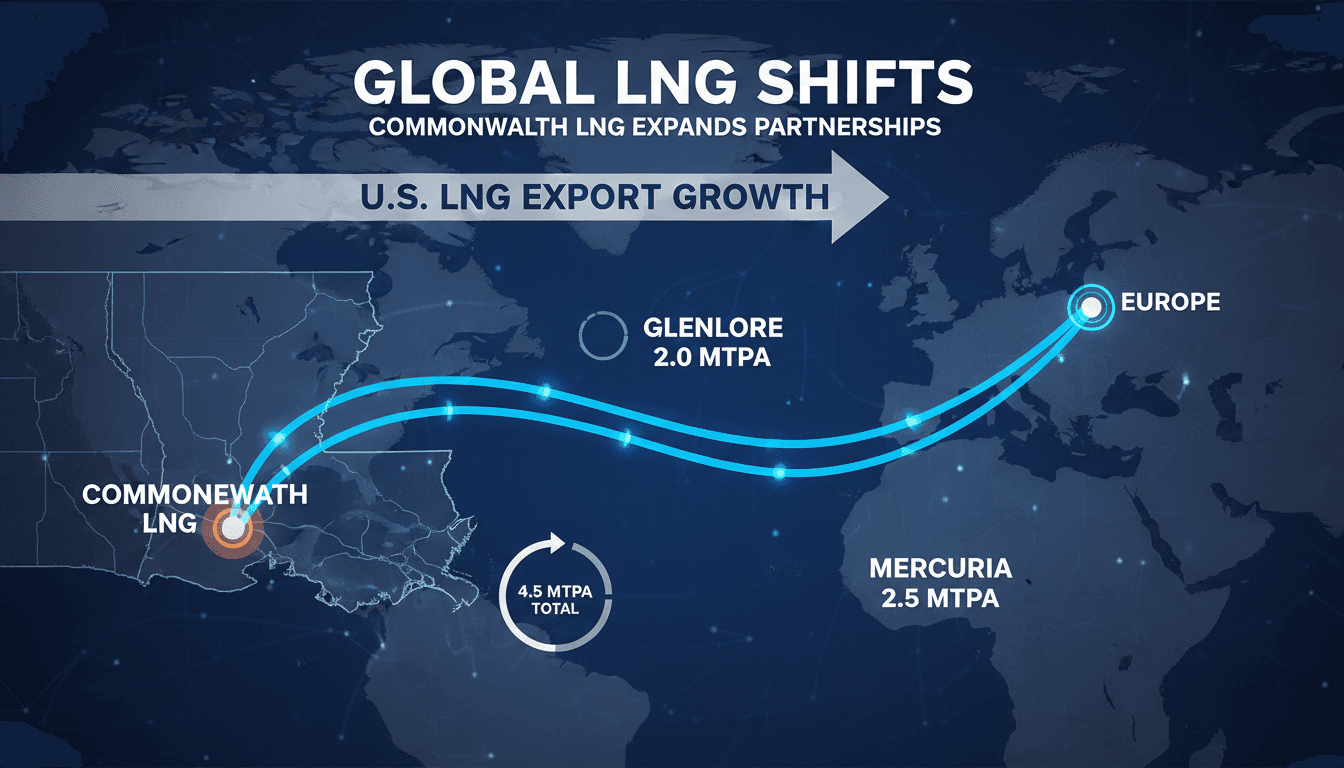
Here's what it means for you.
The expansion of LNG agreements could influence global energy prices and supply chains, impacting your business operations and energy costs.
Why it matters
This move underscores the growing demand for liquefied natural gas (LNG) and the strategic shifts in global energy markets.
What happened (in 30 seconds)
- Glencore increased its LNG offtake from Commonwealth LNG to 3 million tons per annum, a 50% rise.
- Mercuria raised its commitment to 1.5 million tons per annum under new 20-year contracts.
- Jera Co.'s previous agreement for 1 million tons per year was terminated, facilitating this expansion.
The context you actually need
- Commonwealth LNG is a proposed 9.5 million tons per annum export facility in Louisiana, reflecting U.S. LNG export growth.
- Regulatory approvals have been secured, including FERC authorization and DOE non-FTA export approval, highlighting a supportive environment for LNG projects.
- Global LNG demand is on the rise, influenced by geopolitical factors and energy transition strategies, making U.S. exports increasingly vital.
What's really happening
The recent expansion of LNG offtake agreements by Glencore and Mercuria with Commonwealth LNG is a significant development in the global energy landscape. This strategic move comes in the wake of Jera Co.'s contract termination, which has opened up capacity for other players in the market. The increase in Glencore's commitment from 2 million tons to 3 million tons per annum and Mercuria's from 1 million tons to 1.5 million tons reflects a robust confidence in the long-term viability of LNG as a key energy source.
The backdrop to this expansion is the growing global demand for LNG, driven by a combination of factors including energy security concerns, the transition from coal to cleaner energy sources, and the increasing need for flexible energy solutions. The U.S. has positioned itself as a critical player in the LNG market, with the Gulf Coast serving as a major export hub. The Commonwealth LNG project, developed by Kimmeridge Energy Management Co., is poised to capitalize on this trend, aiming for full commerciality and operational readiness by 2030.
The expansion of these agreements not only enhances the project's financial stability but also signals a shift in market dynamics. With the termination of Jera Co.'s agreement, the market is witnessing a consolidation of commitments among fewer, larger players, which could lead to increased pricing power for suppliers. This consolidation may also impact how LNG is traded globally, as fewer contracts with larger volumes could streamline logistics and reduce costs.
Moreover, the regulatory landscape has been favorable, with key approvals secured that facilitate the project's advancement. The Louisiana Department of Energy and Natural Resources has reissued coastal use permits, allowing for continued development despite previous judicial challenges. This regulatory support is crucial for attracting investment and ensuring that projects like Commonwealth LNG can meet the growing demand for LNG.
As these agreements take effect, the implications for global energy markets will be significant. With the U.S. exporting record amounts of LNG, the potential for price stabilization in global markets could emerge, benefiting consumers and businesses alike. However, the concentration of offtake agreements among a few major players could also lead to volatility if demand fluctuates or if geopolitical tensions arise.
Who feels it first (and how)
- Energy companies: Increased competition and pricing power will affect their operational strategies.
- Consumers: Potential changes in energy prices could impact household and business energy costs.
- Investors: Stakeholders in LNG projects may see shifts in investment opportunities and returns.
- Regulators: Ongoing oversight will be necessary to manage the implications of increased LNG exports.
What to watch next
- Investment decisions: Watch for the final investment decision (FID) from Commonwealth LNG, as it will indicate the project's commitment to proceed.
- Market pricing: Monitor LNG pricing trends globally, as increased U.S. exports could stabilize or disrupt existing price structures.
- Regulatory changes: Keep an eye on any shifts in U.S. energy policy that could affect LNG export dynamics.
Glencore and Mercuria have expanded their LNG offtake agreements.
The Commonwealth LNG project will achieve full commerciality and move toward operational readiness.
The long-term impact on global LNG pricing and market dynamics remains uncertain.
Frequently Asked Questions
- Why it matters?
- This move underscores the growing demand for liquefied natural gas (LNG) and the strategic shifts in global energy markets.
- What happened (in 30 seconds)?
- Glencore increased its LNG offtake from Commonwealth LNG to 3 million tons per annum, a 50% rise. Mercuria raised its commitment to 1.5 million tons per annum under new 20-year contracts. Jera Co.'s previous agreement for 1 million tons per year was terminated, facilitating this expansion.
- What's really happening?
- The recent expansion of LNG offtake agreements by Glencore and Mercuria with Commonwealth LNG is a significant development in the global energy landscape. This strategic move comes in the wake of Jera Co.'s contract termination, which has opened up capacity for other players in the market. The increase in Glencore's commitment from 2 million tons to 3 million tons per annum and Mercuria's from 1 million tons to 1.5 million tons reflects a robust confidence in the long-term viability of LNG as a
- Who feels it first (and how)?
- Energy companies: Increased competition and pricing power will affect their operational strategies. Consumers: Potential changes in energy prices could impact household and business energy costs. Investors: Stakeholders in LNG projects may see shifts in investment opportunities and returns. Regulators: Ongoing oversight will be necessary to manage the implications of increased LNG exports.
- What to watch next?
- Investment decisions: Watch for the final investment decision (FID) from Commonwealth LNG, as it will indicate the project's commitment to proceed. Market pricing: Monitor LNG pricing trends globally, as increased U.S. exports could stabilize or disrupt existing price structures. Regulatory changes: Keep an eye on any shifts in U.S. energy policy that could affect LNG export dynamics.
Market-moving headlines impacting equities, bonds, and related risk assets.
"Real-time catalysts and volatility drivers across indices and sectors."
— A47 Editor
Glencore and Mercuria increase LNG purchases from Commonwealth terminal - Bloomberg
Glencore and Mercuria have increased their liquefied natural gas (LNG) purchases from the Commonwealth terminal, reflecting a strategic move to enhance their supply chains amid fluctuating energy markets. This decision comes as both companies seek to...
Global markets, investing, and macroeconomics from a premier financial newsroom.
"Bloomberg is respected for in-depth financial reporting and data-driven analysis."
— A47 Editor
Glencore and Mercuria Agree to Buy More LNG From Commonwealth
Glencore Plc and Mercuria Energy Trading SA have reached an agreement to increase their liquefied natural gas (LNG) purchases under 20-year contracts with Kimmeridge Energy Management Co., which is developing an export terminal in Louisiana. This dec...