
Henry Paulson Calls for Emergency Plan to Prevent U.S. Treasury Market Collapse
Here's what it means for you.
If you’re invested in U.S. Treasuries or related markets, the potential for a demand collapse could directly impact your portfolio.
Why it matters
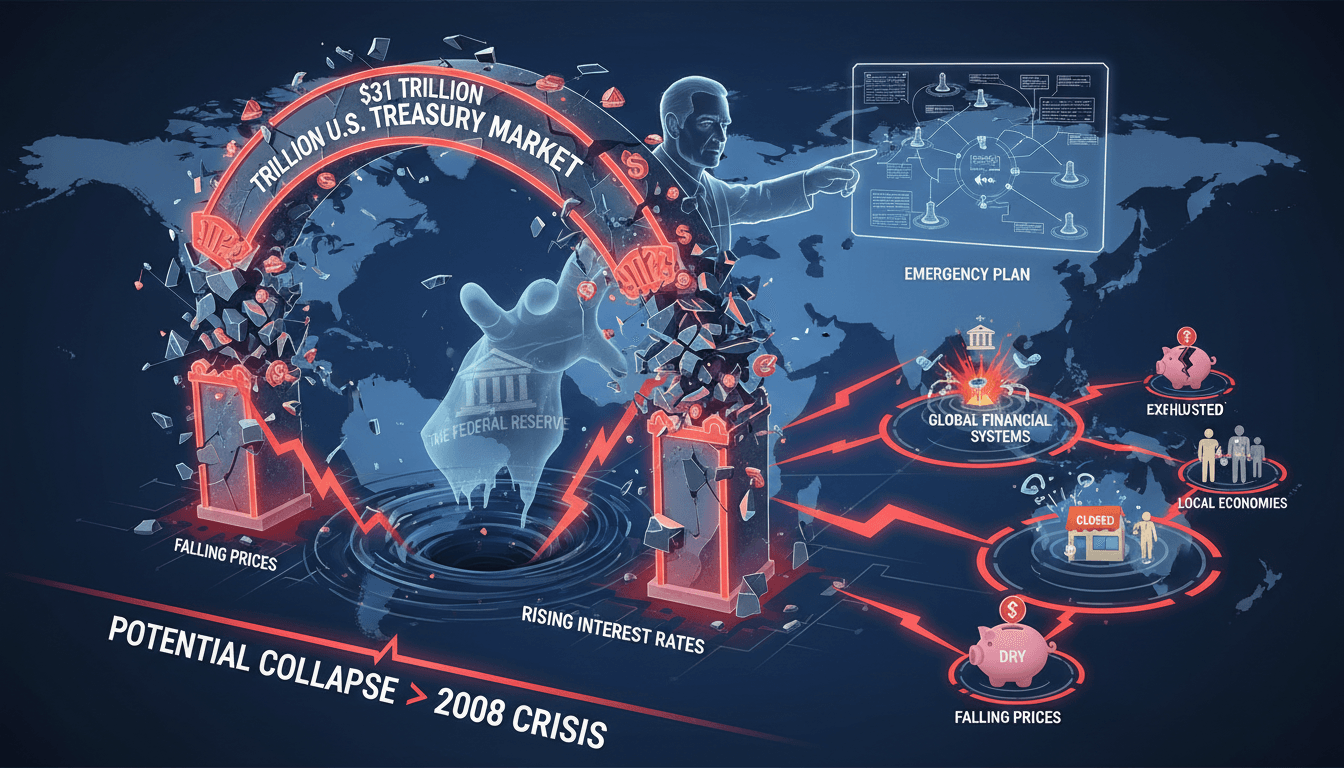
The stability of the $31 trillion U.S. Treasury market is crucial for global financial systems, influencing interest rates and investment strategies worldwide.
What happened (in 30 seconds)
- Henry Paulson, former U.S. Treasury Secretary, urged for an emergency plan to prevent a collapse in the Treasury market during an April 16, 2026, interview.
- He warned that a breakdown could be worse than the 2008 financial crisis, citing exhausted fiscal resources and a potential Federal Reserve monopsony.
- No immediate governmental responses have been reported, but the statement has sparked discussions among market observers.
The context you actually need
- U.S. public debt reached approximately $31.4 trillion as of early April 2026, with budget deficits averaging 6% of GDP over the past three years.
- Historical dysfunctions in the Treasury market, such as the March 2020 'dash-for-cash' episode, highlight vulnerabilities to liquidity shocks.
- Investor concerns over fiscal sustainability are rising due to increasing interest payments on debt, which could lead to demand erosion.
What's really happening
During his appearance on Bloomberg Television's Wall Street Week, Henry Paulson articulated a pressing concern: the U.S. Treasury market, a cornerstone of global finance, is at risk of a significant demand collapse. This situation is exacerbated by the current fiscal landscape, where the U.S. is grappling with a staggering public debt of approximately $31 trillion and persistent budget deficits averaging 6% of GDP. Paulson's warning is particularly alarming because he believes that the impending crisis could be more severe than the 2008 financial meltdown, primarily due to the lack of fiscal buffers that previously existed.
The Federal Reserve's role is crucial in this scenario. Paulson highlighted the risk of a monopsony, where the Fed becomes the sole buyer of Treasuries, leading to falling prices and rising yields. This situation could create a vicious cycle: as prices drop, yields rise, making borrowing more expensive and further straining fiscal resources. The absence of proactive congressional measures to address these issues only compounds the risk, as lawmakers may be reluctant to act until a crisis is imminent.
Paulson proposed several measures to mitigate these risks, including closing tax loopholes, reforming Social Security and healthcare, and implementing expenditure controls. These suggestions aim to restore fiscal sustainability and bolster confidence in the Treasury market. However, the political will to enact such reforms remains uncertain, especially in a polarized environment.
The implications of a Treasury market collapse extend beyond U.S. borders. For instance, Dubai residents could face indirect risks through UAE sovereign wealth funds, such as the Abu Dhabi Investment Authority, which hold substantial U.S. Treasuries. A market collapse could lead to significant portfolio losses, exacerbate pressures on the UAE dirham's dollar peg, and amplify volatility in Dubai's real estate and sukuk markets, which are already distressed amid regional geopolitical tensions.
Who feels it first (and how)
- Investors in U.S. Treasuries: Direct exposure to potential losses and increased volatility.
- UAE sovereign wealth funds: Significant holdings in U.S. Treasuries could lead to portfolio devaluation.
- Financial institutions: Increased borrowing costs and liquidity challenges could impact lending practices.
- Global markets: A Treasury collapse could trigger widespread financial instability, affecting international trade and investment.
What to watch next
- Federal Reserve actions: Monitor any changes in Fed policy regarding Treasury purchases, as this will signal their response to market conditions.
- Congressional budget discussions: Watch for any legislative moves aimed at addressing fiscal deficits, which could impact market confidence.
- Interest rate trends: Keep an eye on Treasury yields, as rising rates could indicate eroding demand and increased borrowing costs.
The U.S. Treasury market is currently valued at approximately $31 trillion.
Investor concerns over fiscal sustainability will continue to grow, influencing market behavior.
The political response to Paulson's proposals remains uncertain, as does the timing of any potential crisis.
Frequently Asked Questions
- Why it matters?
- The stability of the $31 trillion U.S. Treasury market is crucial for global financial systems, influencing interest rates and investment strategies worldwide.
- What happened (in 30 seconds)?
- Henry Paulson, former U.S. Treasury Secretary, urged for an emergency plan to prevent a collapse in the Treasury market during an April 16, 2026, interview. He warned that a breakdown could be worse than the 2008 financial crisis, citing exhausted fiscal resources and a potential Federal Reserve monopsony. No immediate governmental responses have been reported, but the statement has sparked discussions among market observers.
- What's really happening?
- During his appearance on Bloomberg Television's Wall Street Week, Henry Paulson articulated a pressing concern: the U.S. Treasury market, a cornerstone of global finance, is at risk of a significant demand collapse. This situation is exacerbated by the current fiscal landscape, where the U.S. is grappling with a staggering public debt of approximately $31 trillion and persistent budget deficits averaging 6% of GDP. Paulson's warning is particularly alarming because he believes that the impending
- Who feels it first (and how)?
- Investors in U.S. Treasuries: Direct exposure to potential losses and increased volatility. UAE sovereign wealth funds: Significant holdings in U.S. Treasuries could lead to portfolio devaluation. Financial institutions: Increased borrowing costs and liquidity challenges could impact lending practices. Global markets: A Treasury collapse could trigger widespread financial instability, affecting international trade and investment.
- What to watch next?
- Federal Reserve actions: Monitor any changes in Fed policy regarding Treasury purchases, as this will signal their response to market conditions. Congressional budget discussions: Watch for any legislative moves aimed at addressing fiscal deficits, which could impact market confidence. Interest rate trends: Keep an eye on Treasury yields, as rising rates could indicate eroding demand and increased borrowing costs.
Macro commentary, policy analysis, growth/inflation themes, and global outlooks.
"Contextual macro coverage that complements day-to-day market headlines."
— A47 Editor
Paulson calls for emergency plan to prevent Treasury market collapse
Paulson has called for an emergency plan to avert a potential collapse of the Treasury market, highlighting concerns over the stability of this critical financial sector. The statement reflects growing anxiety regarding market conditions and the impl...
Global markets, investing, and macroeconomics from a premier financial newsroom.
"Bloomberg is respected for in-depth financial reporting and data-driven analysis."
— A47 Editor
Henry Paulson Suggests US Make a Break-Glass Treasuries Plan
Former Treasury Secretary Henry Paulson has urged U.S. authorities to devise a contingency plan to prevent a potential collapse in demand for Treasuries, which he warned could have 'vicious' consequences for the market. This recommendation comes amid...