
Mozilla Launches Open-Source AI Client Thunderbolt for Enterprise Self-Hosting
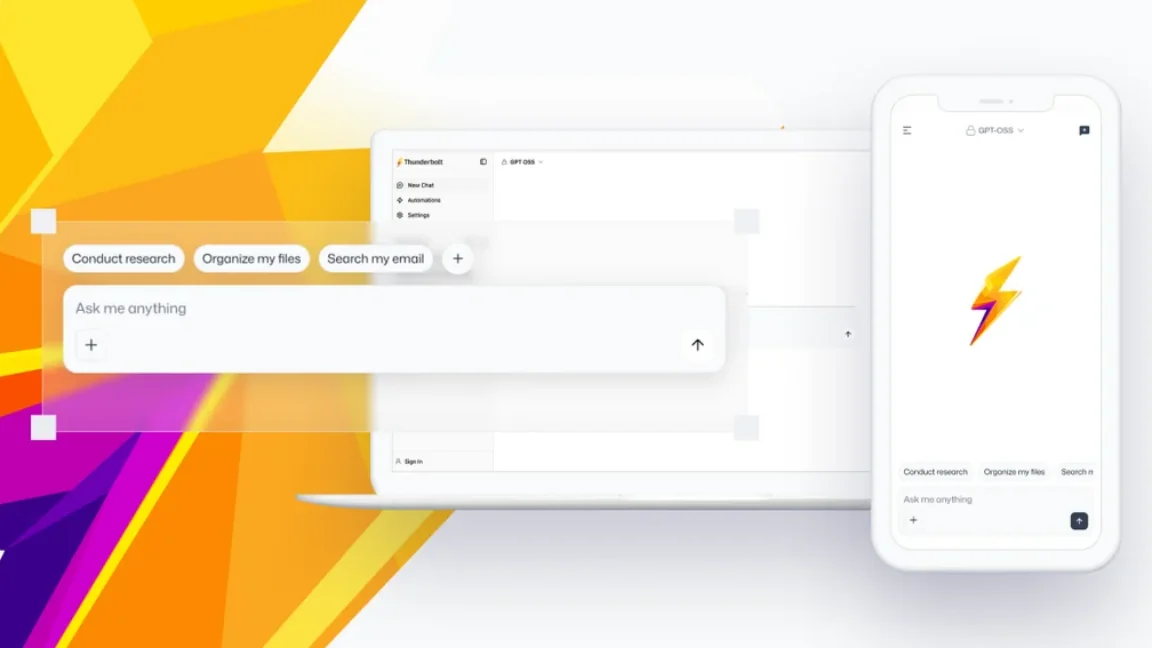
Here's what it means for you.
As enterprises seek greater control over their data, Mozilla's Thunderbolt offers a compelling alternative to cloud-based AI solutions.
Why it matters
The launch of Thunderbolt signifies a shift towards self-hosted AI infrastructure, addressing growing concerns over data privacy and vendor lock-in.
What happened (in 30 seconds)
- Mozilla launched the Thunderbolt AI client on April 16, 2026, focusing on self-hosted enterprise solutions.
- Thunderbolt is open-source, built on deepset's Haystack framework, and supports various AI models and protocols.
- Initial reception includes 866 GitHub stars, indicating strong developer interest and engagement.
The context you actually need
- Mozilla's commitment to open-source AI began in late 2025, aiming to create a decentralized AI ecosystem.
- MZLA Technologies, a Mozilla subsidiary, developed Thunderbolt to address enterprise concerns about data privacy and reliance on proprietary platforms.
- The rise of proprietary AI tools like Microsoft Copilot and ChatGPT Enterprise has heightened the demand for self-hosted solutions.
What's really happening
Mozilla's Thunderbolt launch is a strategic response to the increasing demand for data sovereignty and control in the enterprise AI landscape. As organizations become more aware of the risks associated with cloud-based AI services—such as data breaches, vendor lock-in, and compliance issues—there is a growing push for self-hosted solutions that allow companies to maintain full control over their data.
Thunderbolt, developed by MZLA Technologies, leverages the deepset Haystack framework to provide a modular and flexible AI client that can be deployed across various platforms, including web, Windows, macOS, Linux, iOS, and Android. This cross-platform capability is crucial for enterprises that operate in diverse environments and require seamless integration with existing systems.
The client supports multiple AI models and protocols, including OpenAI-compatible APIs, which allows organizations to choose the best tools for their specific needs. By enabling self-hosting through Docker or Kubernetes, Thunderbolt empowers enterprises to build their own AI stacks without relying on external cloud providers. This shift not only enhances data security but also reduces operational costs associated with cloud services.
The initial response to Thunderbolt has been positive, with 866 stars on GitHub shortly after launch, indicating strong interest from developers. This early engagement is vital for the success of open-source projects, as it fosters a community that can contribute to the software's development and security. MZLA Technologies is currently conducting a security audit to ensure the client meets enterprise standards, which is a critical step for organizations considering adoption.
As the market for AI solutions continues to evolve, Thunderbolt positions itself as a viable alternative to proprietary tools, challenging the dominance of established players. The emphasis on data sovereignty and self-hosting aligns with broader trends in the tech industry, where organizations are increasingly prioritizing privacy and control over convenience.
Who feels it first (and how)
- Enterprise IT departments: They will need to evaluate and potentially implement Thunderbolt as part of their AI strategy.
- Data privacy advocates: This group will likely support the shift towards self-hosted solutions that enhance data control.
- Developers and engineers: They will engage with the open-source community to contribute to Thunderbolt's ongoing development and security.
What to watch next
- Adoption rates: Monitor how quickly enterprises begin to implement Thunderbolt in their operations, as this will indicate market acceptance.
- Community engagement: Track GitHub activity, including stars, forks, and contributions, to gauge developer interest and support for Thunderbolt.
- Security audit outcomes: The results of the ongoing security audit will be crucial for enterprise confidence in adopting Thunderbolt.
Thunderbolt is open-source and supports various AI models and protocols.
Enterprises will increasingly seek self-hosted solutions to mitigate data privacy concerns.
The long-term impact of Thunderbolt on the market share of proprietary AI tools remains to be seen.
Frequently Asked Questions
- Why it matters?
- The launch of Thunderbolt signifies a shift towards self-hosted AI infrastructure, addressing growing concerns over data privacy and vendor lock-in.
- What happened (in 30 seconds)?
- Mozilla launched the Thunderbolt AI client on April 16, 2026, focusing on self-hosted enterprise solutions. Thunderbolt is open-source, built on deepset's Haystack framework, and supports various AI models and protocols. Initial reception includes 866 GitHub stars, indicating strong developer interest and engagement.
- What's really happening?
- Mozilla's Thunderbolt launch is a strategic response to the increasing demand for data sovereignty and control in the enterprise AI landscape. As organizations become more aware of the risks associated with cloud-based AI services—such as data breaches, vendor lock-in, and compliance issues—there is a growing push for self-hosted solutions that allow companies to maintain full control over their data. Thunderbolt, developed by MZLA Technologies, leverages the deepset Haystack framework to provi
- Who feels it first (and how)?
- Enterprise IT departments: They will need to evaluate and potentially implement Thunderbolt as part of their AI strategy. Data privacy advocates: This group will likely support the shift towards self-hosted solutions that enhance data control. Developers and engineers: They will engage with the open-source community to contribute to Thunderbolt's ongoing development and security.
- What to watch next?
- Adoption rates: Monitor how quickly enterprises begin to implement Thunderbolt in their operations, as this will indicate market acceptance. Community engagement: Track GitHub activity, including stars, forks, and contributions, to gauge developer interest and support for Thunderbolt. Security audit outcomes: The results of the ongoing security audit will be crucial for enterprise confidence in adopting Thunderbolt.
Curated tech headlines including AI stories.
"Influential aggregator surfacing the day’s top tech/AI links."
— A47 Editor
Mozilla launches Thunderbolt, an open-source AI client for users and businesses who want to run their own self-hosted AI infrastructure, available on GitHub (Kyle Orland/Ars Technica)
Mozilla has launched Thunderbolt, an open-source AI client designed for users and businesses seeking to establish their own self-hosted AI infrastructure, now available on GitHub. This initiative marks Mozilla's entry into the enterprise AI market, a...
Biting coverage of AI/ML software and vendors.
"Known for skeptical, incisive reporting on enterprise tech."
— A47 Editor
Mozilla throws Thunderbolt at enterprise AI providers
Mozilla has launched an open-source alternative to enterprise AI platforms, targeting major players like OpenAI and Microsoft with its Thunderbolt AI client, which connects to deepset's Haystack platform. This initiative emphasizes data privacy and u...
In-depth reporting on tech, policy, and science including AI.
"Respected analysis for technically savvy readers, including AI topics."
— A47 Editor
Mozilla launches Thunderbolt AI client with focus on self-hosted infrastructure
Mozilla has launched the Thunderbolt AI client, which emphasizes self-hosted infrastructure and builds upon deepset's Haystack, aiming to create a decentralized open-source AI ecosystem. This new tool reflects Mozilla's commitment to enhancing user c...
In-depth coverage of hardware, software, science, and policy.
"Ars Technica provides expert technology news, hardware reviews, and analysis for a technically savvy audience."
— A47 Editor
Mozilla launches Thunderbolt AI client with focus on self-hosted infrastructure
Mozilla has launched the Thunderbolt AI client, which emphasizes self-hosted infrastructure and builds upon deepset's Haystack, aiming to create a decentralized open-source AI ecosystem. This new tool reflects Mozilla's commitment to enhancing user c...