
NASA Artemis II Crew Achieves Record Lunar Flyby and Promotes Space Enthusiasm
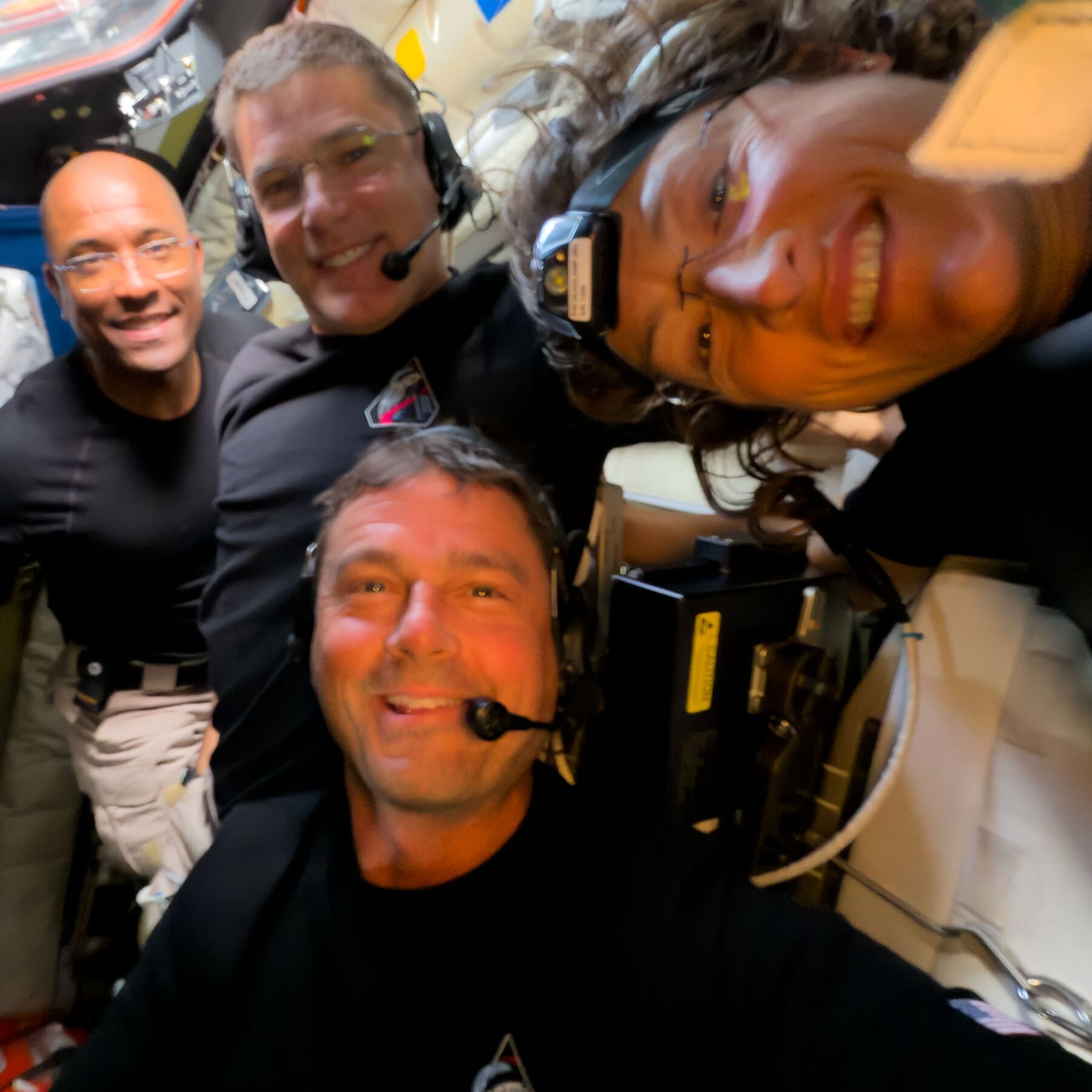
Here's what it means for you.
The Artemis II mission is not just a technical achievement; it signals a renewed global interest in space exploration that could influence education, technology, and economic opportunities in your community.
Why it matters
The Artemis II mission exemplifies a pivotal moment in international space collaboration, potentially reshaping public engagement and investment in the space sector.
What happened (in 30 seconds)
- NASA's Artemis II crew completed a historic lunar flyby, achieving a maximum distance of 252,760 miles from Earth, surpassing Apollo 13's record.
- Astronauts shared their experiences and emotions, coining the phrase "Moon Joy," which resonated with audiences worldwide.
- Public engagement peaked with photo releases and broadcasts, sparking discussions about the future of lunar exploration and its economic implications.
The context you actually need
- NASA's Artemis program aims for a sustainable human presence on the Moon, following the success of the uncrewed Artemis I mission in 2022.
- International partnerships are crucial, with contributions from entities like the UAE's Mohammed Bin Rashid Space Centre, enhancing collaborative efforts in lunar exploration.
- The Artemis II mission serves as a validation for the Orion spacecraft and the Space Launch System (SLS) rocket, marking the first crewed deep-space operations since Apollo 17 in 1972.
What's really happening
The Artemis II mission, launched on April 1, 2026, represents a significant leap in human space exploration, rekindling global interest in lunar missions. As the crew aboard the Orion spacecraft approached the Moon, they experienced a unique blend of scientific achievement and human emotion, encapsulated in the term "Moon Joy." This phrase, highlighted by mission communicator Jacki Mahaffey, reflects the excitement and enthusiasm that space exploration can evoke, not just for astronauts but for people around the world.
The mission's success is underpinned by a robust framework of international collaboration, particularly with partners like the UAE's Mohammed Bin Rashid Space Centre (MBRSC). Their involvement in the Lunar Gateway project signifies a commitment to advancing lunar exploration, which could inspire local educational initiatives and foster a new generation of scientists and engineers. As the crew captured breathtaking images of Earth and the Moon, they not only documented their journey but also created a narrative that resonates with the public, enhancing the visibility of space exploration.
The implications of Artemis II extend beyond the immediate mission. The record-setting distance of 252,760 miles from Earth emphasizes the technological advancements made since the Apollo era and sets the stage for future missions aimed at sustainable lunar habitation. This mission also serves as a catalyst for discussions about the lunar economy, which includes potential resource extraction and the development of infrastructure for future lunar bases. While immediate market shifts are not evident, the excitement generated by Artemis II could lead to increased investment in space-related industries, educational programs, and technological innovations.
As the crew prepares for their return to Earth, the narrative of "Moon Joy" continues to resonate, fostering a sense of collective achievement and curiosity about what lies beyond our planet. The mission's success is likely to inspire further public engagement, as NASA and other space agencies look to capitalize on this momentum to promote future exploration initiatives.
Who feels it first (and how)
- Students and educators: Increased interest in STEM fields and space-related education programs.
- Space industry professionals: Opportunities for collaboration and investment in lunar exploration technologies.
- Local communities: Enhanced public engagement and potential economic benefits from increased space-related activities.
What to watch next
- Public engagement metrics: Monitor social media interactions and public interest in space exploration, as these can indicate future investment and support for space initiatives.
- International partnerships: Watch for announcements regarding new collaborations in lunar exploration, particularly from countries involved in the Artemis program.
- Technological advancements: Keep an eye on developments in spacecraft technology and lunar infrastructure, as these will shape the future of human presence on the Moon.
The Artemis II mission successfully achieved a record distance from Earth, generating significant public interest.
Increased investment in space-related education and technology sectors as a result of heightened enthusiasm for lunar exploration.
The immediate economic impact of the mission on local industries and communities.
Frequently Asked Questions
- Why it matters?
- The Artemis II mission exemplifies a pivotal moment in international space collaboration, potentially reshaping public engagement and investment in the space sector.
- What happened (in 30 seconds)?
- NASA's Artemis II crew completed a historic lunar flyby, achieving a maximum distance of 252,760 miles from Earth, surpassing Apollo 13's record. Astronauts shared their experiences and emotions, coining the phrase "Moon Joy," which resonated with audiences worldwide. Public engagement peaked with photo releases and broadcasts, sparking discussions about the future of lunar exploration and its economic implications.
- What's really happening?
- The Artemis II mission, launched on April 1, 2026, represents a significant leap in human space exploration, rekindling global interest in lunar missions. As the crew aboard the Orion spacecraft approached the Moon, they experienced a unique blend of scientific achievement and human emotion, encapsulated in the term "Moon Joy." This phrase, highlighted by mission communicator Jacki Mahaffey, reflects the excitement and enthusiasm that space exploration can evoke, not just for astronauts but for
- Who feels it first (and how)?
- Students and educators: Increased interest in STEM fields and space-related education programs. Space industry professionals: Opportunities for collaboration and investment in lunar exploration technologies. Local communities: Enhanced public engagement and potential economic benefits from increased space-related activities.
- What to watch next?
- Public engagement metrics: Monitor social media interactions and public interest in space exploration, as these can indicate future investment and support for space initiatives. International partnerships: Watch for announcements regarding new collaborations in lunar exploration, particularly from countries involved in the Artemis program. Technological advancements: Keep an eye on developments in spacecraft technology and lunar infrastructure, as these will shape the future of human presenc
Capitol Hill news, legislation, and policy insight.
"The Hill specializes in U.S. politics and policy, with a focus on Capitol Hill developments and a reputation for insider reporting."
— A47 Editor
Watch live: Artemis II crew holds press conference from space
The Artemis II crew, consisting of Cmdr. Reid Wiseman, pilot Victor Glover, mission specialist Christina Koch, and Canadian Space Agency's Jeremy Hansen, held a press conference from the Orion spacecraft, marking a significant milestone in their 10-d...
Scientific research, space, environment, and health coverage.
"The New York Times is a globally recognized newspaper offering authoritative reporting with a center-left editorial stance."
— A47 Editor
NASA Prepares for Artemis II Splashdown After Historic Moon Flyby
NASA is preparing for the splashdown of its Artemis II mission, which is set to occur off the coast of Southern California on April 10, 2026. This mission, featuring astronauts Reid Wiseman, Christina Koch, Victor Glover, and Jeremy Hansen, marks a s...
Space exploration, astronomy, and astrophysics.
"The New York Times is a globally recognized newspaper offering authoritative reporting with a center-left editorial stance."
— A47 Editor
NASA’s Artemis II Astronauts Spread ‘Moon Joy’ to the Public
NASA's Artemis II mission has successfully launched, featuring a crew of four astronauts, including Reid Wiseman, Victor Glover, Jeremy Hansen, and Christina Koch, who are currently on a ten-day journey around the Moon. This mission marks the first c...