
China Announces Overt Support for Iran Amid Ongoing Conflict
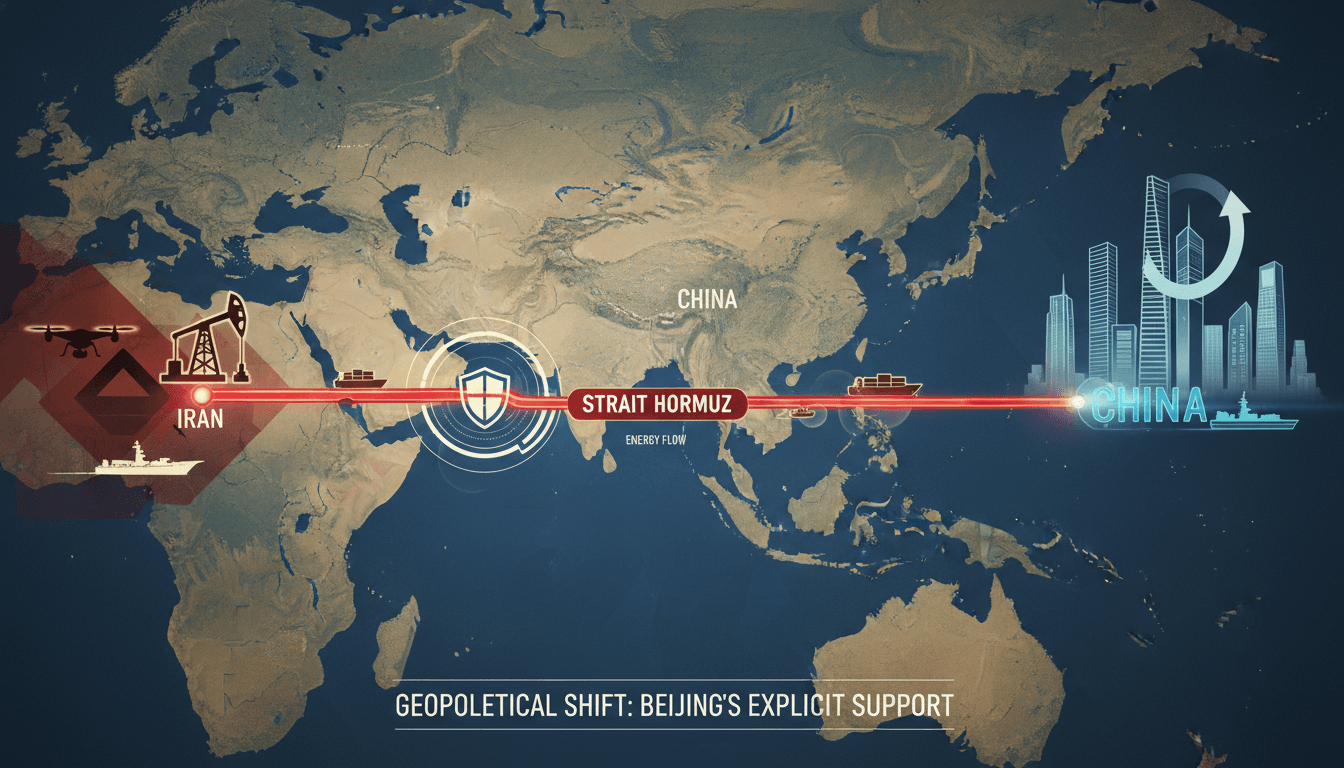
Here's what it means for you.
As global supply chains face disruptions, your business may feel the ripple effects of escalating tensions in the Middle East.
Why it matters
China's strategic pivot to support Iran could reshape energy markets and geopolitical alliances, impacting global trade dynamics.
What happened (in 30 seconds)
- On April 17, 2026, China publicly committed to supporting Iran amid the ongoing conflict, marking a shift from covert to overt backing.
- China's Defense Minister affirmed protection for Iranian control of the Strait of Hormuz, crucial for global oil shipments.
- A fragile ceasefire was established on April 7, 2026, following Chinese mediation efforts, but tensions remain high.
The context you actually need
- The 2026 Iran War began on February 28, 2026, with U.S. and Israeli airstrikes targeting Iranian military assets, aiming for regime change.
- China and Iran formalized a 25-year strategic partnership in 2021, with China purchasing 80-90% of Iran's oil exports, providing critical financial support.
- Dubai's economy has been severely impacted, with hotel occupancy rates plummeting and food prices spiking due to supply chain disruptions.
What's really happening
China's overt support for Iran during the 2026 Iran War represents a significant shift in its foreign policy, driven by a combination of strategic interests and economic imperatives. Historically, China has maintained a delicate balance in the Middle East, often opting for a more discreet approach to its alliances. However, the escalation of the Iran War has prompted Beijing to take a more visible stance, primarily to safeguard its energy interests and regional stability.
The Strait of Hormuz is a critical chokepoint for global oil shipments, with approximately 20% of the world's oil passing through this narrow waterway. China's commitment to protecting Iranian shipping routes is not merely a gesture of goodwill; it is a calculated move to ensure the uninterrupted flow of oil, which is vital for its economy. With China purchasing around 90% of Iran's oil exports, any disruption in this supply chain could have dire consequences for its energy security.
Moreover, China's support for Iran serves as a counterbalance to U.S. and Israeli influence in the region. By openly backing Iran, China positions itself as a key player in Middle Eastern geopolitics, potentially reshaping alliances and power dynamics. This shift could embolden Iran, allowing it to resist Western pressures and maintain its military capabilities, which in turn could lead to a more volatile regional landscape.
The implications of this support extend beyond the immediate conflict. As oil prices soar—exceeding $120 per barrel—Gulf economies are feeling the strain. Countries like the UAE are already implementing measures to mitigate the economic fallout, including airlifting food supplies and declaring force majeure on exports. The ripple effects of these actions will likely be felt globally, affecting everything from energy prices to consumer goods.
In summary, China's overt support for Iran is a strategic maneuver that underscores its commitment to energy security while challenging U.S. hegemony in the region. This development is likely to have far-reaching consequences for global markets and geopolitical stability.
Who feels it first (and how)
- Energy companies: Increased oil prices will impact profitability and operational costs.
- Logistics firms: Disruptions in shipping routes will lead to delays and increased shipping costs.
- Consumers: Rising fuel prices will translate into higher costs for goods and services.
- Tourism sectors: Destinations like Dubai will see a decline in visitors, affecting local economies.
What to watch next
- Oil price fluctuations: Watch for changes in oil prices as they will directly impact global markets and consumer costs.
- Geopolitical responses: Monitor U.S. and Israeli reactions to China's support for Iran, which could escalate tensions further.
- Economic measures in the Gulf: Keep an eye on how Gulf states adapt to the economic fallout from the war and China's involvement.
China's support for Iran is a strategic move to secure energy interests.
Increased tensions in the Middle East will lead to higher global oil prices.
The long-term impact on U.S.-China relations and regional stability remains uncertain.
Frequently Asked Questions
- Why it matters?
- China's strategic pivot to support Iran could reshape energy markets and geopolitical alliances, impacting global trade dynamics.
- What happened (in 30 seconds)?
- On April 17, 2026, China publicly committed to supporting Iran amid the ongoing conflict, marking a shift from covert to overt backing. China's Defense Minister affirmed protection for Iranian control of the Strait of Hormuz, crucial for global oil shipments. A fragile ceasefire was established on April 7, 2026, following Chinese mediation efforts, but tensions remain high.
- What's really happening?
- China's overt support for Iran during the 2026 Iran War represents a significant shift in its foreign policy, driven by a combination of strategic interests and economic imperatives. Historically, China has maintained a delicate balance in the Middle East, often opting for a more discreet approach to its alliances. However, the escalation of the Iran War has prompted Beijing to take a more visible stance, primarily to safeguard its energy interests and regional stability. The Strait of Hormuz i
- Who feels it first (and how)?
- Energy companies: Increased oil prices will impact profitability and operational costs. Logistics firms: Disruptions in shipping routes will lead to delays and increased shipping costs. Consumers: Rising fuel prices will translate into higher costs for goods and services. Tourism sectors: Destinations like Dubai will see a decline in visitors, affecting local economies.
- What to watch next?
- Oil price fluctuations: Watch for changes in oil prices as they will directly impact global markets and consumer costs. Geopolitical responses: Monitor U.S. and Israeli reactions to China's support for Iran, which could escalate tensions further. Economic measures in the Gulf: Keep an eye on how Gulf states adapt to the economic fallout from the war and China's involvement.
24/7 international news from a French perspective in multiple languages.
"France 24 is viewed as a globally focused outlet with balanced coverage and a European perspective."
— A47 Editor
China steps out of the shadows in Iran war
China's President Xi Jinping has publicly addressed the ongoing war in Iran for the first time in six weeks, emphasizing a commitment to a constructive role in peace efforts. This statement reflects Beijing's cautious approach as it navigates its lon...
Regional coverage and analysis focused on politics, diplomacy, and business across the Middle East.
"Al-Monitor is known for analytical reporting on Middle East politics and policy developments."
— A47 Editor
Analysis-China steps up Iran diplomacy while seeking smooth summit with Trump
China is intensifying its diplomatic efforts to resolve the ongoing Iran conflict while preparing for a significant summit with U.S. President Donald Trump next month. This approach reflects President Xi Jinping's strategy to balance relations with T...
Global news coverage with extensive reporting on Middle Eastern conflicts and geopolitics.
"Al Jazeera is a Qatar-based broadcaster known for wide regional coverage and alternative perspectives."
— A47 Editor
What role is China playing in the Iran war and how is it affected?
China is navigating a complex role in the ongoing Iran war, balancing its strategic alliance with Tehran against its broader global interests, particularly in light of the U.S. naval blockade of Iranian ports initiated by President Trump. This blocka...
Comprehensive coverage of Middle Eastern and global issues.
"Al Jazeera is a prominent voice from the Global South, especially the Middle East, with an emphasis on underreported stories."
— A47 Editor
What role is China playing in the Iran war and how is it affected?
China is navigating a complex role in the ongoing Iran war, balancing its strategic alliance with Tehran against its broader global interests, particularly in light of the U.S. naval blockade of Iranian ports initiated by President Trump. This blocka...
International coverage from The Guardian's global desks.
"The Guardian is known for its progressive editorial stance and in-depth analysis."
— A47 Editor
Short-term gains for China from US-Iran war may turn to longer-term pain
The ongoing conflict between the United States and Iran has led to a naval blockade of Iranian ports, initiated by President Trump, which China has condemned as irresponsible and dangerous. This blockade follows the collapse of peace negotiations and...