
Morocco's inflation rate rises to 1.7% in April 2026
What happened
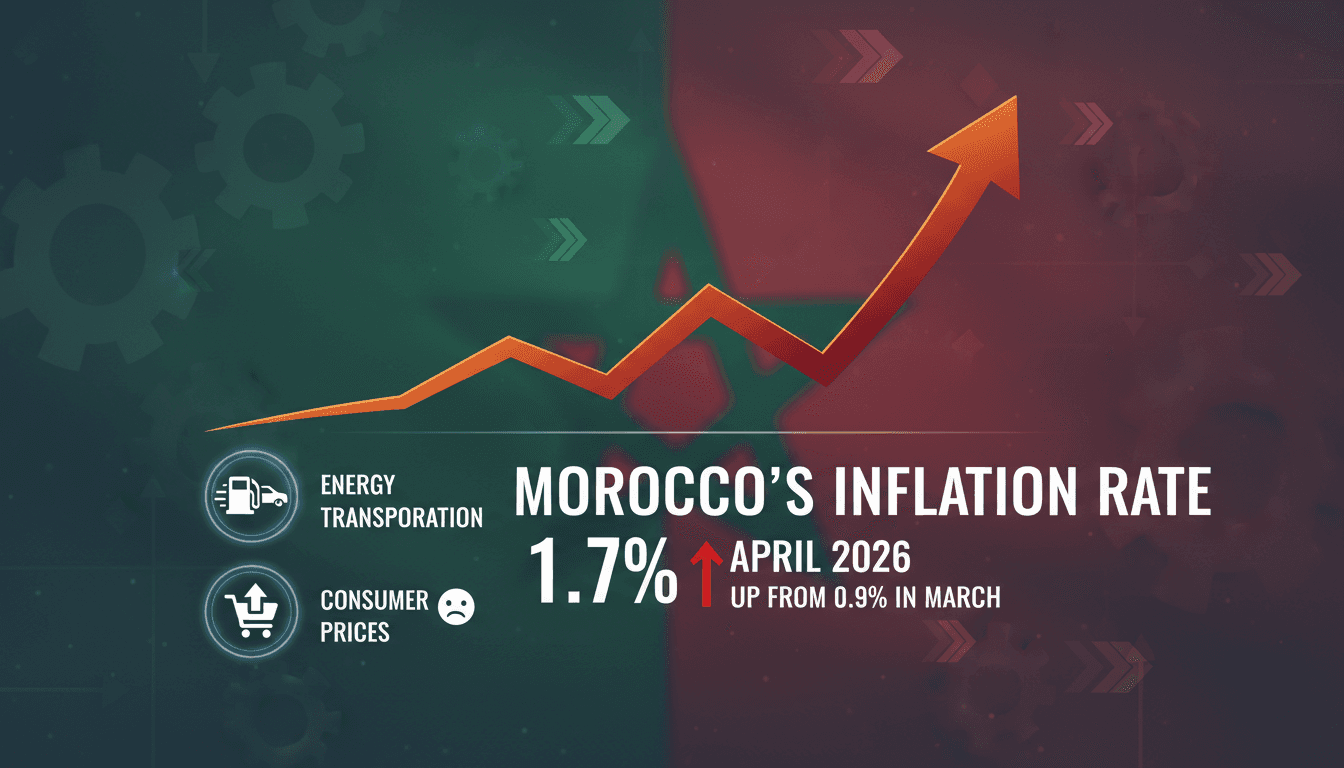
Morocco's inflation rate has risen to 1.7% in April 2026, a significant increase from the 0.9% recorded in March. This uptick is primarily driven by rising costs in the transportation and energy sectors. The data was released by the General Statistics Authority, highlighting the ongoing economic pressures affecting consumers.
The increase in inflation reflects broader economic challenges that may influence consumer behavior and spending patterns. As prices rise, the implications for economic stability become more pronounced, prompting discussions among policymakers.
The Context
The inflation rate in Morocco has shown a notable increase over the past month, moving from 0.9% in March to 1.7% in April. This change is particularly relevant as it underscores the impact of rising transportation and energy prices on the economy. Stakeholders, including consumers and businesses, are likely to feel the effects of these changes in their daily operations and financial planning.
Understanding the factors contributing to this inflationary trend is crucial for assessing its long-term implications. The General Statistics Authority's report serves as a vital resource for policymakers who must navigate these economic challenges while considering the needs of the public.
Takeaway
As inflation continues to rise, it may prompt Moroccan policymakers to explore measures aimed at stabilizing prices and supporting consumers. Observers should monitor future inflation trends closely, as they will likely influence consumer behavior and economic policy decisions. The government's response to these rising costs will be critical in shaping the economic landscape moving forward.
The ongoing economic pressures highlight the importance of strategic planning for both consumers and businesses in adapting to changing market conditions.
Pan-Arab news coverage spanning politics, business, sports, and regional affairs.
"Asharq Al-Awsat reflects a broad Arab editorial perspective with strong attention to regional geopolitics."
— A47 Editor
تضخم المغرب يقفز إلى 1.7 % في أبريل بفعل زيادة أسعار النقل والطاقة
The annual inflation rate in Morocco surged to 1.7% in April, up from 0.9% in the previous month, as reported by the General Statistics Authority on Friday. This increase is attributed to rising transportation and energy prices.
Macro commentary, policy analysis, growth/inflation themes, and global outlooks.
"Contextual macro coverage that complements day-to-day market headlines."
— A47 Editor
Morocco’s inflation rate climbs to 1.7% in April
Morocco's inflation rate increased to 1.7% in April, reflecting ongoing economic pressures. This rise marks a notable shift in the country's economic landscape, as inflation rates have been closely monitored amid fluctuating global economic condition...
Regional and international reporting focused on Middle Eastern politics, diplomacy, and economics.
"Asharq Al-Awsat is a Saudi-owned international newspaper reflecting mainstream Gulf political perspectives."
— A47 Editor
Morocco's Inflation Rate Rises to 1.7% in April
Morocco's inflation rate rose to 1.7% in April 2026, reflecting ongoing economic pressures that are impacting consumer prices across various sectors. This increase marks a notable shift in the economic landscape of the country, as it follows a period...