
Oil prices decline as U.S.-Iran hostilities pause
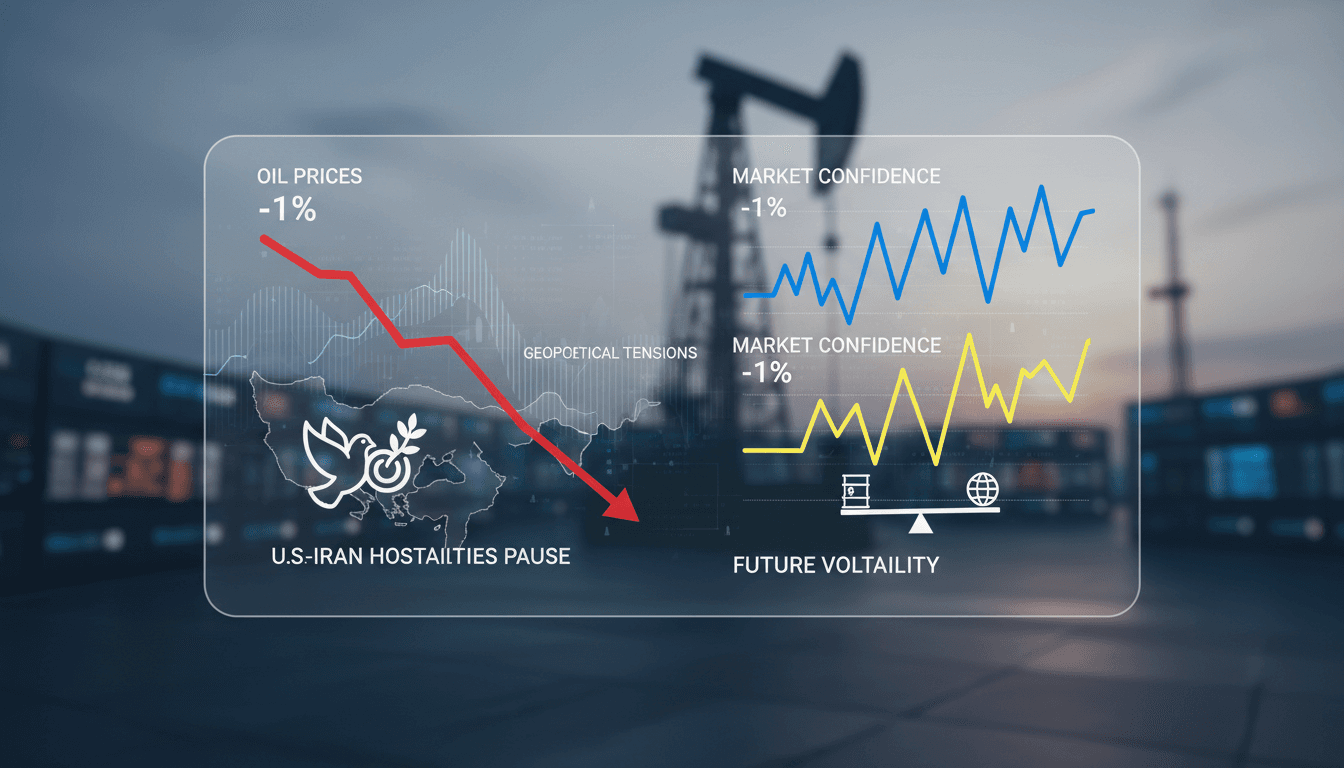
Here's what it means for you.
The recent pause in military actions between the U.S. and Iran has led to a notable decline in oil prices, reflecting a shift in market sentiment. Investors are reacting to reduced geopolitical risks, which has resulted in a 1% drop in oil prices during early trading hours. This development may influence future market trends and investor strategies, as the geopolitical landscape remains fluid. As the situation evolves, stakeholders in the oil market should remain vigilant. The potential for renewed hostilities could quickly alter market dynamics, leading to increased volatility in oil prices.
What happened
Oil prices have experienced a significant decline following a pause in hostilities between the United States and Iran. This cessation of military actions has led to a notable drop in market confidence, resulting in a 1% decrease in oil prices during early trading hours. The decline marks the largest daily drop in oil prices since April 8, indicating a strong market reaction to the geopolitical pause.
Investors are closely monitoring the situation for further developments, as the implications of U.S.-Iran relations continue to unfold. The immediate market response highlights the sensitivity of oil prices to geopolitical events.
The Context
The pause in U.S.-Iran hostilities has led to reduced geopolitical tensions, which is crucial for global oil markets. Investors are particularly attentive to this situation, as any resumption of military actions could lead to significant price volatility. The current decline in oil prices reflects a broader trend of market reactions to geopolitical risks, which have historically influenced oil supply and demand dynamics.
This development is significant not only for oil traders but also for policymakers and businesses reliant on stable energy prices. The ongoing geopolitical situation will continue to shape market sentiment and investor behavior in the near future.
Takeaway
As the geopolitical landscape evolves, oil prices are likely to remain sensitive to developments in U.S.-Iran relations. The potential for a resumption of hostilities could lead to increased volatility in the oil market, prompting investors to adjust their strategies accordingly. Market reactions to further diplomatic developments will be critical in determining the trajectory of oil prices in the coming weeks.
Stakeholders should prepare for potential fluctuations as the situation unfolds, keeping a close eye on any announcements or actions from either party that could impact market stability.
Arabic-language coverage of international news and geopolitics.
"RT Arabic is a Russian state-funded outlet often criticized for promoting Kremlin-aligned narratives."
— A47 Editor
أسعار النفط تهبط بقوة بعد توقف القتال بين الولايات المتحدة وإيران
Global oil prices experienced a significant decline on Monday following the announcement of a cessation of hostilities between the United States and Iran, marking the largest daily drop since April 8.
Oil, metals, and agriculture: supply/demand headlines, OPEC chatter, inventories, and price action.
"Solid tape for energy and metals traders tracking macro and micro catalysts."
— A47 Editor
Oil prices fall 1% as investors weigh pause in US strikes on Iran
Oil prices have fallen by 1% as investors react to the United States' decision to pause military strikes against Iran, a move that has contributed to a temporary easing of tensions in the Middle East. This decline follows a more significant drop of o...
Markets desk coverage, trading insights, and investor updates.
"WSJ’s markets reporting provides in-depth analysis and context for investors."
— A47 Editor
Oil Falls Amid Ongoing Pause in U.S.-Iran Hostilities
Oil prices have fallen significantly in early Asian trading, reflecting a pause in military hostilities between the U.S. and Iran. This pause, which has lasted for two days, has contributed to a notable decline in oil prices, with Brent crude droppin...