
Oil prices decline amid renewed U.S.-Iran negotiations
Here's what it means for you.
The recent decline in oil prices signals a shift in market sentiment, driven by optimism surrounding potential U.S.-Iran negotiations. If these talks lead to a resolution, it could alleviate supply disruptions that have historically impacted global oil markets. Traders and investors are closely monitoring the situation, as any positive outcomes may stabilize prices and enhance supply security. The implications extend beyond just oil prices; a successful negotiation could bolster U.S. equity markets as well. As the situation unfolds, stakeholders across various sectors should prepare for potential volatility in response to developments from the talks.
What happened
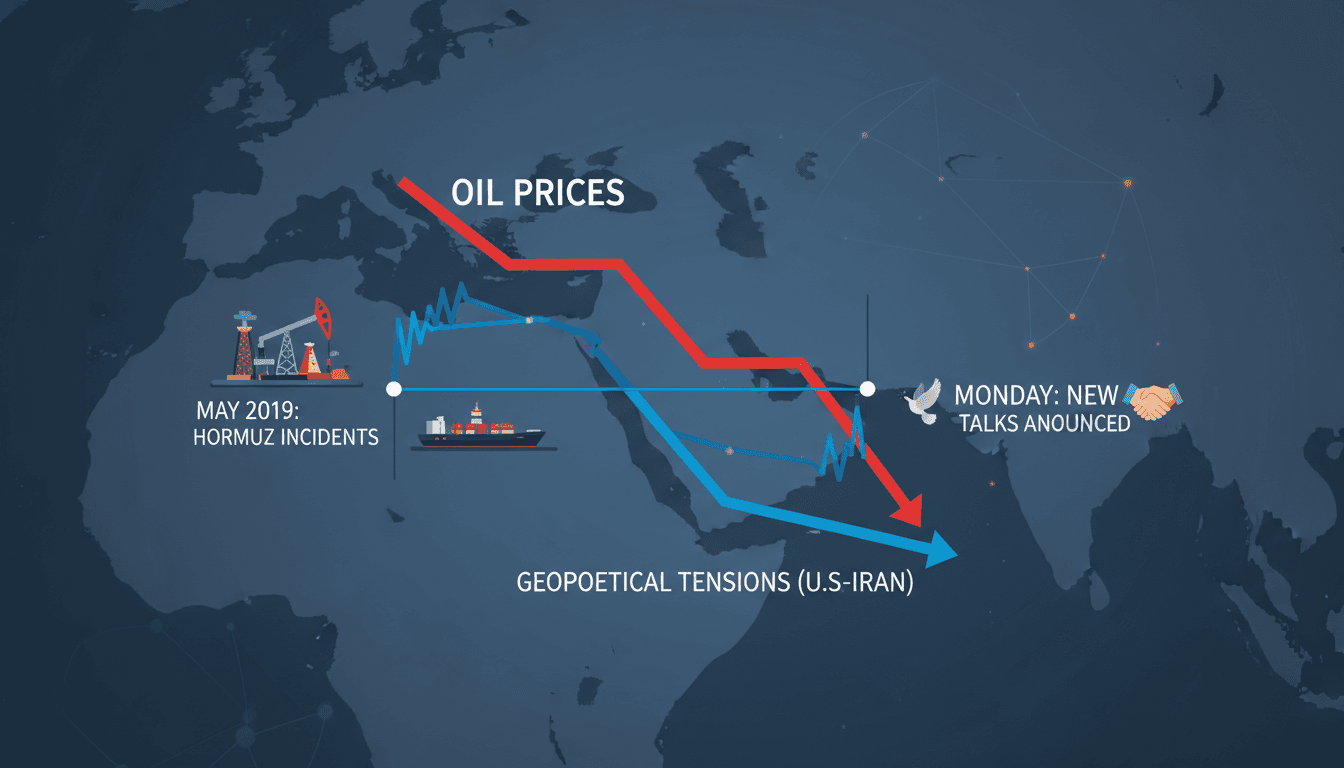
Oil prices have fallen due to increased optimism about a possible U.S.-Iran deal. This shift follows President Trump's announcement of fresh talks set to begin on Monday, which may ease supply disruptions in the vital Strait of Hormuz. The market reacted positively, with oil prices dropping more than $1, indicating a significant response to these geopolitical developments.
In early Asian trade, oil prices were notably lower, while U.S. equity-index futures rose following the announcement of the negotiations. Greater oil flows were observed despite ongoing tensions between the U.S. and Iran, suggesting a complex interplay of market forces at work.
The Context
The Strait of Hormuz is a crucial shipping route for global oil supplies, making any disruptions a matter of international concern. President Trump's announcement of renewed U.S.-Iran talks is a pivotal moment, as it could lead to a reopening of this vital corridor. The geopolitical landscape surrounding U.S.-Iran relations has long influenced oil prices, and the current negotiations are seen as a potential turning point.
Market participants are acutely aware of the implications these talks may have on global supply and pricing stability. As the negotiations commence, the focus will be on how both nations navigate their longstanding tensions and whether they can reach a mutually beneficial agreement.
Takeaway
The outcome of the upcoming U.S.-Iran negotiations will be crucial for the oil market, with potential implications for global supply and pricing stability. Traders will be watching closely for any signs of progress or setbacks in the talks, as these could lead to further fluctuations in oil prices.
Additionally, market reactions to any agreements or escalations in tensions will be key indicators of future trends. Stakeholders should remain vigilant as the situation develops, as the ramifications of these negotiations extend beyond oil markets into broader economic contexts.
Markets desk coverage, trading insights, and investor updates.
"WSJ’s markets reporting provides in-depth analysis and context for investors."
— A47 Editor
Oil Prices Fall Amid Hopes of Possible U.S.-Iran Deal
Oil prices have fallen in early Asian trading, driven by optimism surrounding a potential U.S.-Iran deal that could alleviate supply disruptions in the oil market. This decline reflects a broader sentiment of hope among investors for a diplomatic res...
Global markets, investing, and macroeconomics from a premier financial newsroom.
"Bloomberg is respected for in-depth financial reporting and data-driven analysis."
— A47 Editor
Oil Declines on Iran Deal Optimism, Yen in Focus: Markets Wrap
Oil prices have declined as optimism surrounding renewed U.S.-Iran negotiations has increased, following President Donald Trump's announcement of talks set to begin on Monday. This development comes amid a backdrop of fluctuating oil prices influence...
Regional and international reporting focused on Middle Eastern politics, diplomacy, and economics.
"Asharq Al-Awsat is a Saudi-owned international newspaper reflecting mainstream Gulf political perspectives."
— A47 Editor
Oil Falls More Than $1 on Greater Flows Despite US-Iran War
Oil prices have dropped by more than $1, despite ongoing military tensions between the United States and Iran, which have historically disrupted oil flows in the region. The current situation reflects an increase in oil supply, countering the expecte...
Oil, metals, and agriculture: supply/demand headlines, OPEC chatter, inventories, and price action.
"Solid tape for energy and metals traders tracking macro and micro catalysts."
— A47 Editor
Oil falls more than $1 on greater flows despite US-Iran war
Oil prices have fallen by more than $1 amid increased supply flows, despite ongoing tensions between the United States and Iran. This decline follows a series of military strikes and a recent pause in hostilities, which has led to a temporary easing ...