
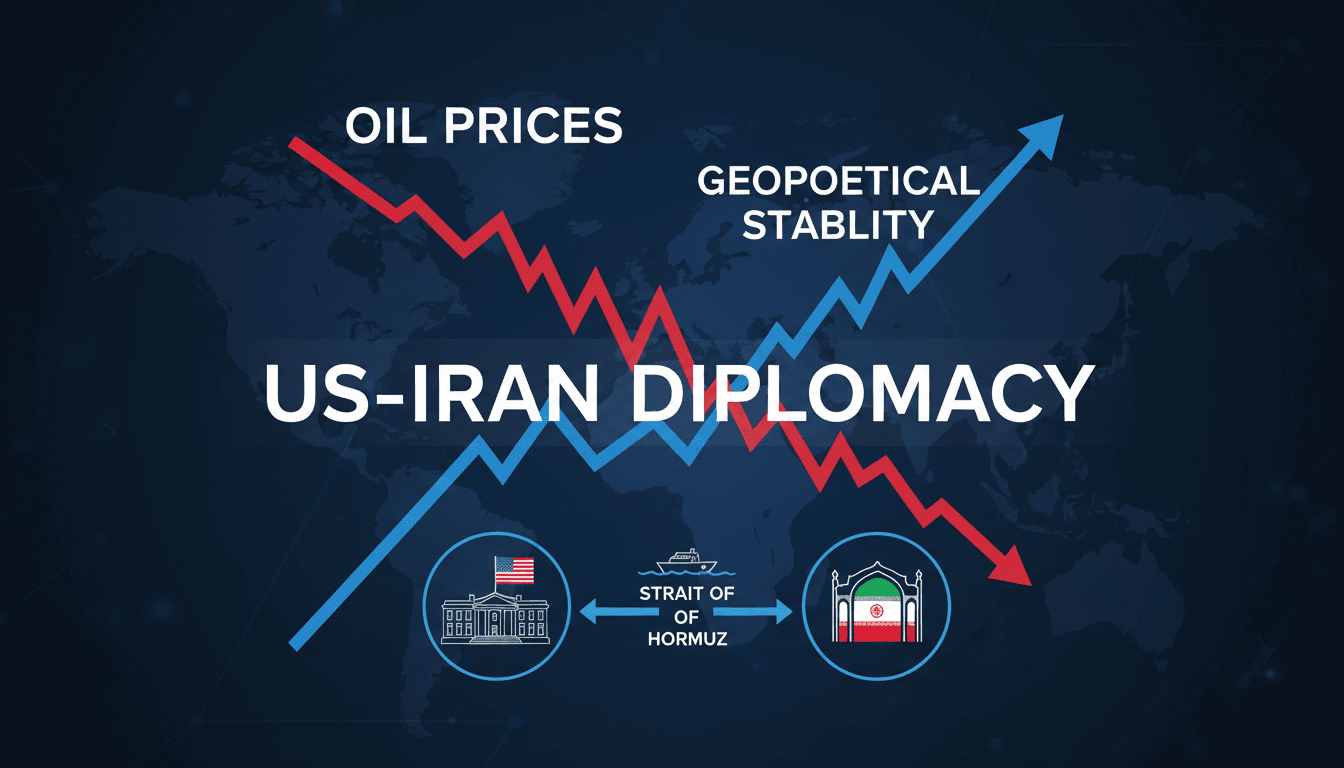
Oil prices decline sharply amid US-Iran diplomatic efforts to reopen Strait of Hormuz
Here's what it means for you.
The recent decline in oil prices signals a potential stabilization in global markets, driven by renewed diplomatic efforts between the US and Iran. As negotiations progress, the risk of supply disruptions in the Strait of Hormuz, a critical passage for oil transport, diminishes. This development could lead to lower inflationary pressures and a more favorable economic environment for consumers and businesses alike. Investors are likely to respond positively to these diplomatic advancements, as evidenced by the rise in stock indices. The interplay between geopolitical stability and market performance will be crucial to monitor in the coming weeks.
What happened
Oil prices have dropped significantly amid growing optimism for a US-Iran agreement to reopen the Strait of Hormuz. This critical waterway accounts for approximately 20% of the world's oil supply, making its accessibility vital for global energy markets. Following the news of potential diplomatic progress, Brent crude oil prices fell over 7%, reflecting the market's reaction to easing geopolitical tensions.
The decline in oil prices has also contributed to a positive response in stock markets, with the S&P 500 index closing near record highs. This shift indicates that investors are increasingly confident about the potential for reduced energy supply threats from the Gulf region.
The Context
The Strait of Hormuz is a pivotal passage for global oil transport, and any disruptions can have significant implications for energy prices and inflation. Recent comments from President Trump suggest a potential last chance for negotiations with Tehran, heightening hopes for a diplomatic resolution. The timing of these efforts is critical, as they coincide with rising concerns over energy supply disruptions.
As the US and Iran engage in talks, the outcome will be closely watched by stakeholders across various sectors, including energy, finance, and international relations. The implications of a successful agreement could extend beyond oil prices, influencing broader economic stability.
Takeaway
The outlook for oil prices will largely depend on the success of ongoing diplomatic negotiations between the US and Iran. If these talks yield positive results, we may see further stabilization in oil prices, which could have a beneficial impact on global markets. Investors should monitor the developments closely, as fluctuations in oil prices are likely to continue in response to geopolitical events.
In the coming weeks, the focus will be on the outcomes of the US-Iran negotiations regarding the Strait of Hormuz. Any significant progress could lead to a more stable energy market and reduced inflationary pressures, shaping the economic landscape.
Markets desk coverage, trading insights, and investor updates.
"WSJ’s markets reporting provides in-depth analysis and context for investors."
— A47 Editor
Oil Falls Amid Prospects for Reopening of Strait of Hormuz
Oil prices fell during early Asian trading as prospects for the reopening of the Strait of Hormuz emerged, a crucial waterway responsible for transporting one-fifth of the world's oil. This decline reflects ongoing market volatility influenced by geo...
Global markets, investing, and macroeconomics from a premier financial newsroom.
"Bloomberg is respected for in-depth financial reporting and data-driven analysis."
— A47 Editor
Latest Oil Market News and Analysis for Aug. 4
Oil prices remained steady following a significant drop, as President Donald Trump declared that his latest offer for talks with Tehran represents their 'last chance' and expressed expectations for a full reopening of the Strait of Hormuz.
English-language digital publication covering business, politics, technology, and current affairs.
"The Arabian Post mixes original and syndicated-style coverage with a broad regional and global business-news orientation."
— A47 Editor
Oil tumbles as Iran diplomacy revives Hormuz hopes
Oil prices experienced a significant decline on Monday, dropping over 7% during early trading, as renewed diplomatic efforts between Washington and Tehran aimed at reopening the Strait of Hormuz emerged. Brent crude, a key benchmark for global oil pr...
UAE-based English-language newspaper covering regional politics, economics, and global affairs.
"The National reflects Emirati policy perspectives while maintaining international editorial standards."
— A47 Editor
Oil prices fall on potential US-Iran deal to open Strait of Hormuz
Oil prices have fallen significantly due to potential negotiations between the United States and Iran regarding the reopening of the strategically vital Strait of Hormuz. This development follows President Trump's decision to suspend military strikes...
Global markets, investing, and macroeconomics from a premier financial newsroom.
"Bloomberg is respected for in-depth financial reporting and data-driven analysis."
— A47 Editor
S&P 500 Closes Near Record High on US-Iran Hopes: Markets Wrap
The S&P 500 index closed near record highs as easing tensions between the U.S. and Iran contributed to a decline in oil prices, alleviating inflation concerns. This positive market movement follows President Trump's announcement of resumed peace talk...