
US Treasury Uses Euros to Buy Yen in Currency Stabilization Effort
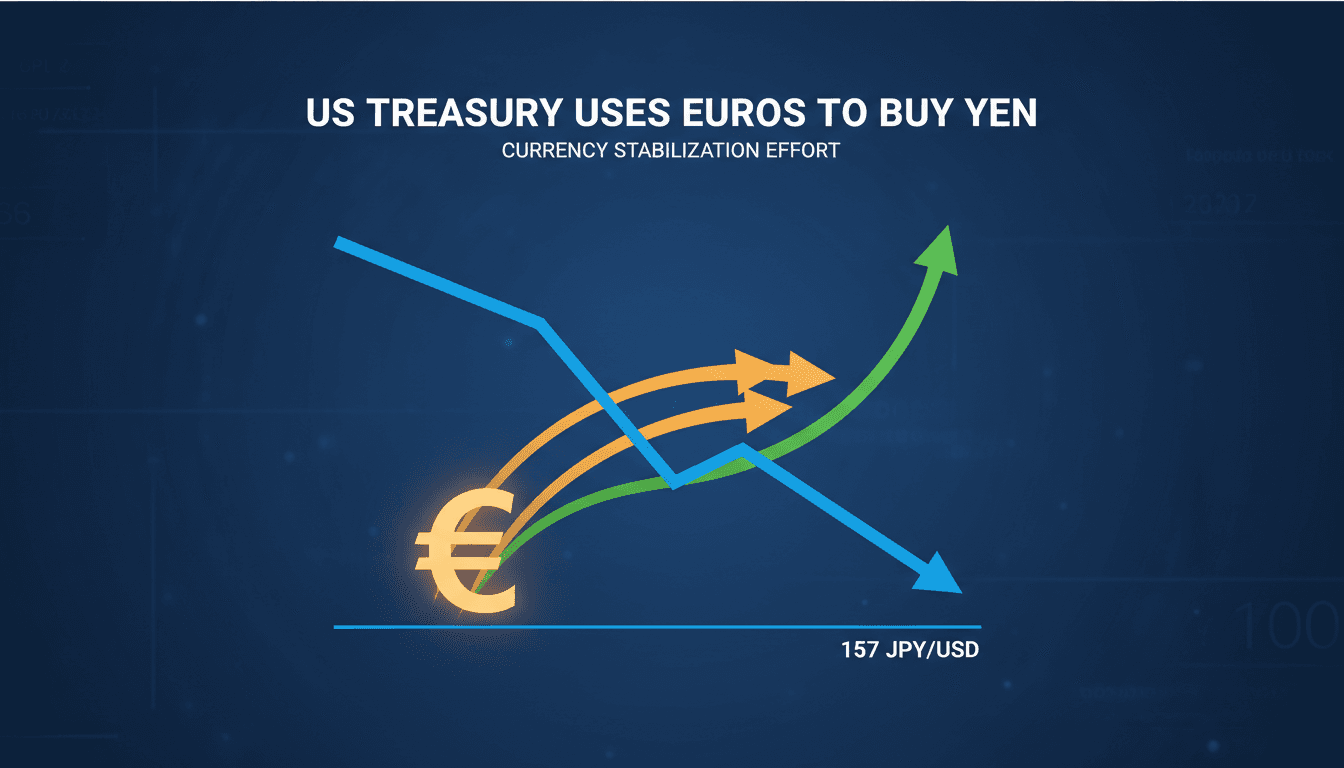
Here's what it means for you.
The U.S. Treasury's decision to purchase yen using euros signals a strategic maneuver aimed at stabilizing the Japanese currency without undermining the dollar's strength. This approach reflects ongoing economic concerns and highlights the complexities of international currency markets. As the yen fluctuates, stakeholders will be closely monitoring the implications for U.S. monetary policy and global economic stability. The effectiveness of this unconventional strategy remains uncertain, raising questions about its long-term viability. Economists are particularly concerned about whether this method can address the underlying issues affecting the yen.
What happened
The U.S. Treasury has initiated a unique strategy by purchasing yen with euros, rather than dollars, in an effort to stabilize the Japanese currency. This intervention comes as the yen reached an exchange rate of 157 yen per dollar, prompting action to support its value. The move is part of a coordinated effort with Japan to bolster the yen amid ongoing economic challenges.
This intervention marks a significant shift in currency policy, as it aims to maintain the strength of the U.S. dollar while addressing the yen's volatility. The immediate impact of this strategy has been observed, with the yen rising to 157 per dollar following the U.S. action.
The Context
The backdrop of this intervention involves a joint initiative between the U.S. and Japan, reflecting the importance of currency stability in the global economy. Economists have expressed skepticism about the long-term effectiveness of using euros to purchase yen, suggesting that it may not resolve the fundamental issues affecting the Japanese currency.
As the U.S. Treasury navigates this unconventional approach, it faces scrutiny regarding its broader implications for U.S. currency policy. The timing of this intervention is critical, as it coincides with heightened economic concerns and fluctuating market conditions.
Takeaway
Looking ahead, the effectiveness of the U.S. strategy to stabilize the yen through euro purchases will be closely monitored. Analysts will assess the yen's performance in the coming weeks to determine the impact of this intervention on both the Japanese currency and global markets.
Responses from other currencies and potential market reactions will also be key indicators of the strategy's success. The ongoing scrutiny of U.S. currency policies may lead to further discussions on the implications of such unconventional tactics.
Corporate leadership, finance, technology, and market trends.
"Fortune covers financial trends, leadership, and innovation with a pragmatic editorial approach."
— A47 Editor
The U.S. is using euros, not dollars, to prop up the yen, and it may backfire: ‘This kind of twist…undercuts the efficacy of U.S. participation’
The United States has initiated an unusual intervention in the yen market by using euros instead of dollars to support the Japanese currency, which recently fell to a 40-year low against the dollar. This joint action with Japan has temporarily lifted...
Macro commentary, policy analysis, growth/inflation themes, and global outlooks.
"Contextual macro coverage that complements day-to-day market headlines."
— A47 Editor
US shakes up currency markets with unusual yen-buying via selling euros
The US Treasury has initiated an unusual intervention in the currency markets by selling euros to purchase yen, a move aimed at stabilizing the Japanese currency which has recently fallen to a 40-year low against the US dollar. This intervention refl...
Global markets, investing, and macroeconomics from a premier financial newsroom.
"Bloomberg is respected for in-depth financial reporting and data-driven analysis."
— A47 Editor
US Uses Euros to Buy Yen to Avoid Weaker Dollar, Strategists Say
The US Treasury is reportedly utilizing euros instead of dollars to purchase yen, a strategy aimed at preventing the depreciation of the US dollar and maintaining confidence in its strong currency policy. This approach follows a historic intervention...