
China's inflation rates decline significantly in July 2026
Here's what it means for you.
The significant decline in China's inflation rates signals potential shifts in economic policy aimed at stimulating growth. Weak domestic demand, exacerbated by external factors, may prompt policymakers to take action to bolster economic activity. This trend could impact global markets, particularly in sectors sensitive to Chinese demand. As inflation cools, businesses and investors should prepare for possible government interventions that could reshape market dynamics. Understanding these changes will be crucial for navigating the evolving economic landscape.
What happened
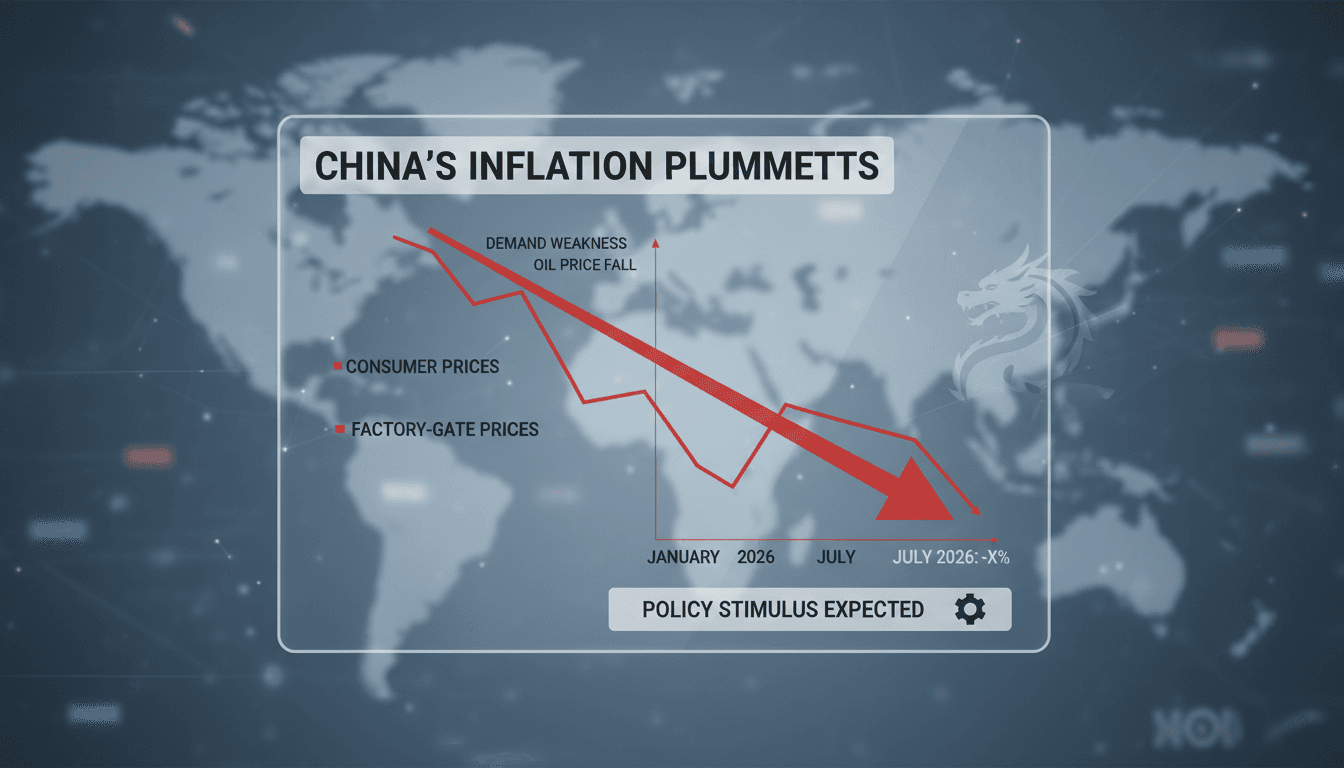
In July 2026, China's inflation rates for both consumer and factory-gate prices decreased more than expected. This decline indicates a slowdown in inflation, with the Consumer Price Index rising at its slowest pace since January. Additionally, factory-gate price growth has also decelerated, reflecting broader economic challenges.
The easing of inflation is partly attributed to weak domestic demand, influenced by extreme weather conditions and falling oil prices. These factors have combined to create a significant shift in the economic landscape, prompting discussions about potential policy responses.
The Context
The decline in inflation rates comes at a time when China's economy faces ongoing challenges, including weak domestic demand and external pressures such as fluctuating oil prices. The Consumer Price Index's slow growth highlights the impact of these factors on consumer behavior and overall economic health.
Moreover, the waning effects of geopolitical tensions, such as the Iran war, have also contributed to the current economic climate. Stakeholders, including government officials and market analysts, are closely monitoring these developments to assess their implications for future economic policies.
Takeaway
As inflation cools, Chinese policymakers may need to consider measures to stimulate domestic demand and address underlying economic issues. Potential government interventions could include fiscal policies aimed at boosting consumer spending and investment.
Additionally, further developments in global oil prices will be crucial to watch, as they directly impact inflation and economic stability. Stakeholders should remain vigilant as these factors evolve, shaping the future of China's economic landscape.
Editor-curated FT homepage stories spanning markets, business, world, and opinion.
"The Financial Times is a globally respected business publication with a centrist/center-left tone and strong markets focus."
— A47 Editor
China’s monthly inflation cools as impact from Iran war eases
China's monthly inflation rate has shown signs of cooling, with the Consumer Price Index (CPI) rising at its slowest pace since January, as the impact of the ongoing Iran war begins to ease. Factory-gate price growth has also decelerated, indicating ...
Macro commentary, policy analysis, growth/inflation themes, and global outlooks.
"Contextual macro coverage that complements day-to-day market headlines."
— A47 Editor
China factory-gate inflation slows more than expected in July
In July 2026, China's factory-gate inflation slowed more than anticipated, indicating a deceleration in price growth as the country faces economic challenges. This decline in producer prices reflects a broader trend of cooling inflation, with the Pro...
Global political, business, and cultural coverage from WSJ international desks.
"The Wall Street Journal offers extensive international reporting with a reputation for financial insight and a center-right editorial stance."
— A47 Editor
China Inflation Cools More Than Expected in July
In July, China's consumer and factory-gate price growth cooled more than anticipated, indicating weak domestic demand and influenced by extreme weather and falling oil prices. This decline suggests a shift in economic momentum as inflationary pressur...
Key macro releases (CPI, jobs, PMIs), surprise indexes, and market implications.
"Great for data-print awareness and instant read-through to rates and risk assets."
— A47 Editor
China’s producer inflation eases in July, below expectations
China's producer inflation eased in July 2026, falling below expectations as the country grapples with economic challenges. This decline in factory-gate prices marks a significant shift, indicating that the pressures from the Iran war's oil shock are...