
Iran war causes global oil supply disruptions and U.S. stockpiles to hit 40-year low
Here's what it means for you.
The ongoing conflict in Iran is significantly impacting global oil markets, leading to rising prices and a critical depletion of U.S. strategic reserves. As oil prices surge, businesses and consumers alike may face increased costs, affecting everything from transportation to manufacturing. Policymakers will need to consider potential responses to stabilize the market and ensure energy security.
What happened
Oil prices have surged sharply amid the ongoing Iran war, with current rates reaching approximately $90 a barrel. This escalation has resulted in U.S. strategic oil stockpiles falling to their lowest level in over 40 years, highlighting a critical vulnerability in the nation's energy security. The International Energy Agency has issued warnings about a significant decline in global oil inventories, despite a decrease in demand attributed to high prices.
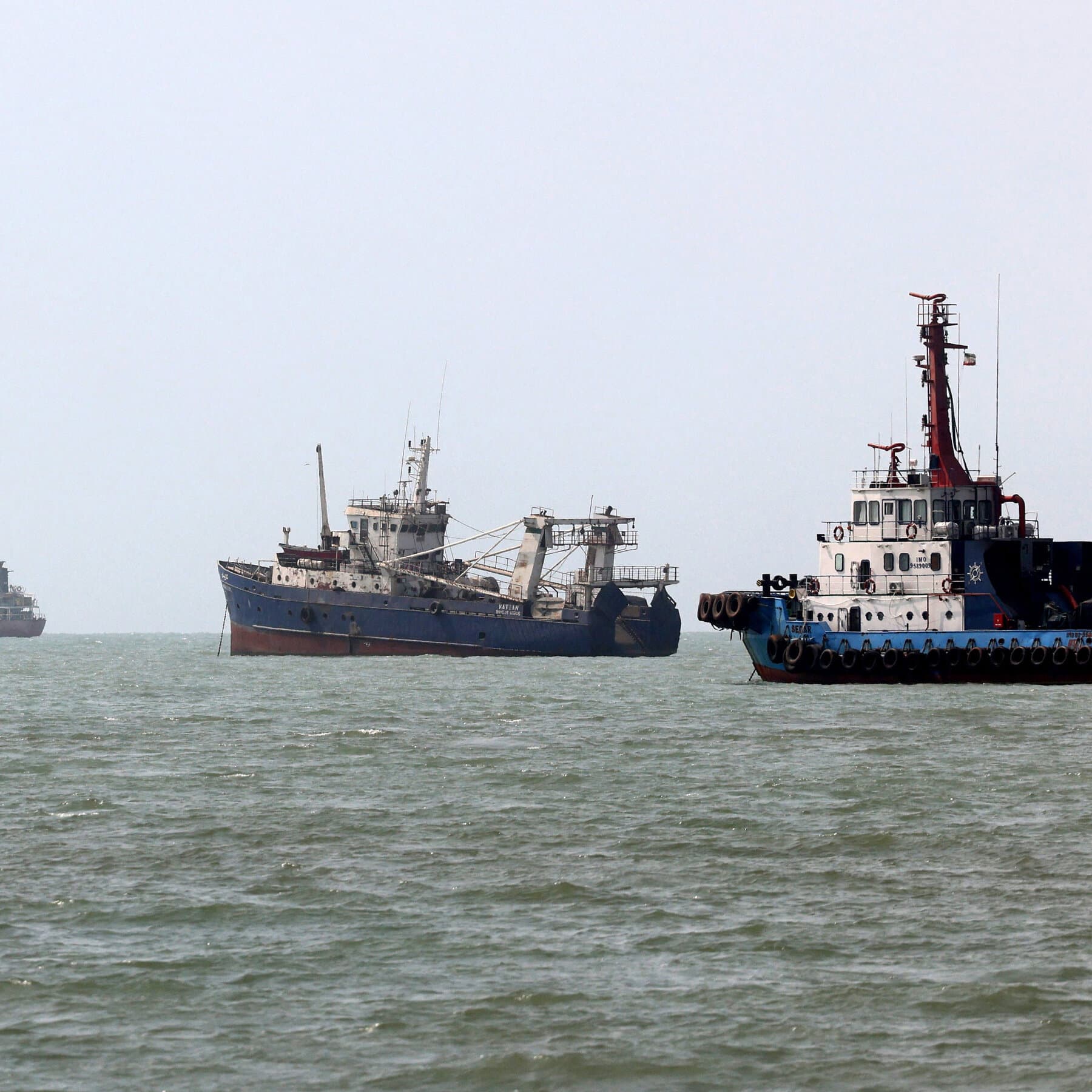
The situation is further complicated by a notable reduction in commercial shipping activity in the Strait of Hormuz, a vital passage for oil transport. As the conflict continues, the ripple effects on the global oil market are becoming increasingly pronounced, leading to concerns about supply chain stability.
The Context
The Iran war has intensified, creating substantial disruptions in global oil supply chains. Stakeholders, including governments and energy companies, are closely monitoring the situation as the International Energy Agency predicts a significant drop in global oil inventories this quarter. The current state of U.S. strategic oil reserves, now at a 40-year low, underscores the urgency of addressing energy security concerns.
This crisis comes at a time when the global economy is still recovering from previous disruptions, making the implications of rising oil prices even more critical. The interplay between geopolitical tensions and energy markets is a focal point for policymakers, who must navigate the complexities of supply and demand in a volatile environment.
Takeaway
As the Iran war shows no signs of resolution, the global oil market is likely to experience continued volatility in the coming months. Observers should monitor developments in the conflict and their implications for global oil supply, as well as potential policy responses from the U.S. government regarding oil reserves. The situation may lead to further strain on energy resources, impacting prices and supply chains worldwide.
In the near future, stakeholders will need to remain vigilant as the dynamics of the oil market evolve in response to ongoing geopolitical tensions. The potential for a widening oil supply deficit could have lasting effects on both the economy and energy policy.
Global markets, investing, and macroeconomics from a premier financial newsroom.
"Bloomberg is respected for in-depth financial reporting and data-driven analysis."
— A47 Editor
IEA Sees Wider Oil Supply Deficit Despite Hit to Demand From War
The International Energy Agency (IEA) has reported that global oil inventories are expected to decline this quarter at a rate more than double previous estimates, primarily due to renewed conflict in Iran, which is impacting oil supply despite a decr...
International coverage of politics, security, and social issues.
"Global News is a mainstream Canadian outlet with a centrist editorial stance, focusing on factual reporting."
— A47 Editor
Strategic oil stockpiles have hit a 40-year low amid the Iran war
Oil prices surged as the ongoing conflict in Iran has led to U.S. strategic oil stockpiles reaching their lowest levels in over 40 years, raising concerns about global supply stability.
Markets, economy, and company analysis from NYT’s business desk.
"The New York Times is a globally recognized newspaper offering authoritative reporting with a center-left editorial stance."
— A47 Editor
Oil Prices Touch $90 a Barrel Over U.S.-Iran Stalemate
Oil prices have surged to $90 a barrel amid a deepening stalemate between the U.S. and Iran regarding the Strait of Hormuz, a crucial waterway for global oil transport. The ongoing tensions have led to a significant decline in commercial shipping act...