
Global Bond Markets Experience Highest Yields in Decades Amid Fiscal and Geopolitical Pressures
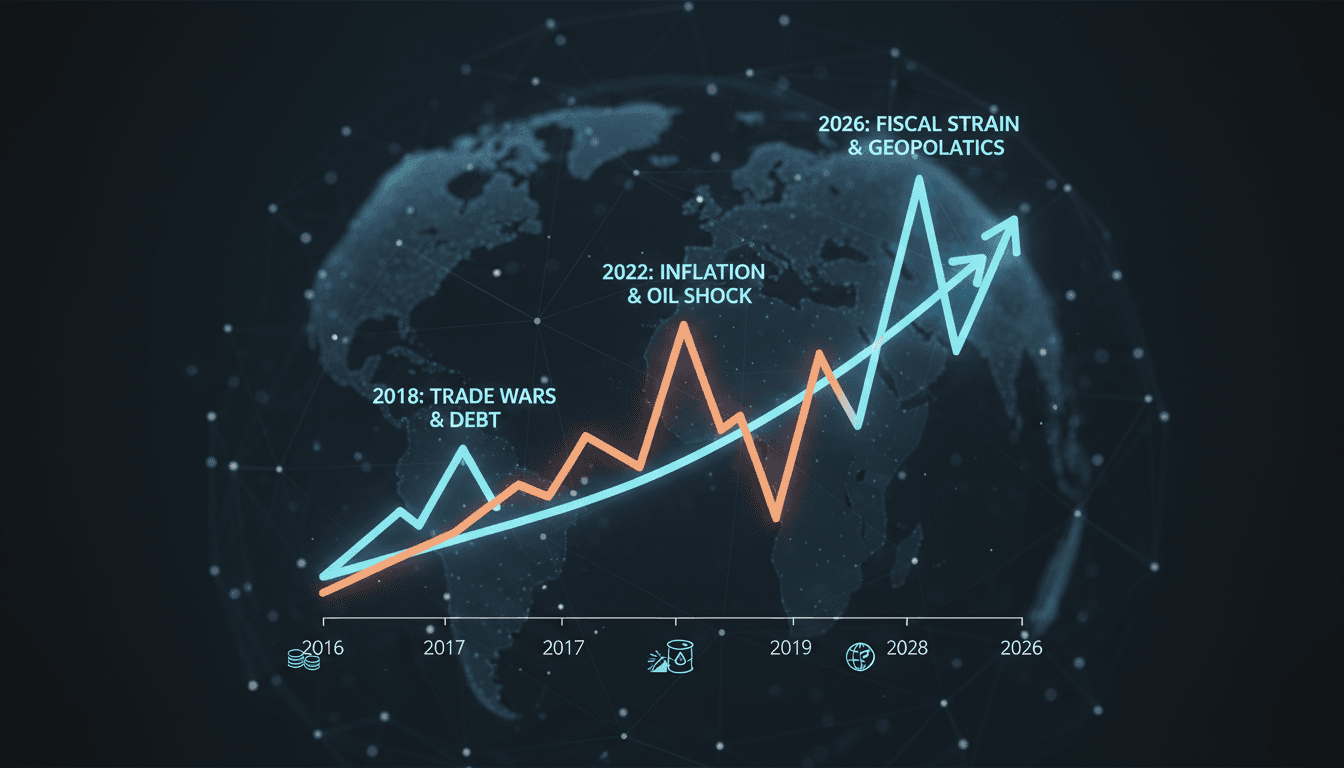
Here's what it means for you.
If you rely on borrowing or investments, rising bond yields could significantly increase your costs and reshape market dynamics.
Why it matters
The surge in global bond yields reflects deepening concerns over fiscal sustainability and inflation, impacting borrowing costs across economies.
What happened (in 30 seconds)
- On August 18, 2026, global bond markets saw long-term borrowing costs reach multi-decade highs, signaling investor anxiety.
- U.S. Treasury yields hit their highest levels since 2007, with 30-year yields surpassing 4.73 percent, while Japan and Germany also experienced significant yield increases.
- Equity markets declined, with major indices like Nasdaq and STOXX 600 reacting negatively to the bond selloff, indicating a shift from the low-rate environment.
The context you actually need
- Developed economies are grappling with soaring public debt, with the U.S. nearing $40 trillion, raising alarms about fiscal sustainability.
- Geopolitical tensions, particularly from the ongoing conflict in Iran, have driven oil prices above $90 per barrel, exacerbating inflation fears.
- U.S. fiscal policies under President Trump, including tariffs and military spending, combined with corporate borrowing for AI infrastructure, have intensified competition for capital.
What's really happening
On August 18, 2026, the global bond markets sent a clear signal to governments: rising yields are a warning sign of fiscal instability and inflationary pressures. The 30-year U.S. Treasury yield reached its highest level since 2007, while Japanese and German yields also surged to levels not seen in decades. This shift marks a significant departure from the low-rate environment that characterized the post-financial crisis era, where borrowing was relatively cheap and accessible.
The catalyst for this upheaval lies in the confluence of several factors. First, the ballooning sovereign debt levels across developed economies have raised concerns about fiscal sustainability. The U.S. government debt, approaching $40 trillion, is a stark reminder of the precarious financial situation many nations face. Investors are increasingly wary of the ability of governments to manage this debt, leading to higher yields as they demand greater compensation for perceived risks.
Second, geopolitical tensions, particularly the ongoing conflict in Iran, have driven oil prices above $90 per barrel. This spike in energy costs feeds directly into inflationary pressures, as higher oil prices translate into increased costs for consumers and businesses alike. The fear of persistent inflation has prompted bond investors to reassess their positions, leading to a selloff that has pushed yields higher.
Additionally, expansive fiscal policies under President Trump, including tariffs and military engagements, have created an environment of uncertainty. The competition for capital has intensified, particularly as corporations ramp up borrowing for artificial intelligence infrastructure investments. This has further complicated the outlook for inflation and interest rates, as the demand for capital outstrips supply.
As yields rise, the implications extend beyond government borrowing costs. Corporations and households will face increased borrowing expenses, which could dampen economic growth. The selloff in equity markets, with indices like Nasdaq and STOXX 600 declining, reflects investor anxiety about the broader economic impact of these rising costs. Analysts are now closely monitoring the actions of central banks, particularly the Federal Reserve, as they navigate this new landscape of higher yields and inflationary pressures.
Who feels it first (and how)
- Corporations: Increased borrowing costs will affect capital expenditures and investment decisions.
- Households: Higher mortgage and loan rates will strain budgets and reduce disposable income.
- Investors: Equity market volatility may lead to shifts in investment strategies, impacting portfolios.
- Governments: Rising yields will increase the cost of servicing debt, potentially leading to budget cuts or tax increases.
- Economists: Analysts will closely watch inflation indicators and central bank responses to gauge future economic stability.
What to watch next
- Central bank policy shifts: Watch for potential rate hikes or changes in monetary policy as central banks respond to rising yields and inflation.
- Inflation data: Keep an eye on upcoming inflation reports, particularly related to energy prices, as they will influence market sentiment and policy decisions.
- Foreign investment trends: Monitor changes in foreign holdings of U.S. Treasuries, as declining interest from international investors could signal deeper concerns about U.S. fiscal health.
Global bond yields have reached multi-decade highs, reflecting investor concerns over fiscal sustainability.
Increased borrowing costs will impact corporations and households, potentially slowing economic growth.
The long-term effects of rising yields on equity markets and overall economic stability remain uncertain.
Frequently Asked Questions
- Why it matters?
- The surge in global bond yields reflects deepening concerns over fiscal sustainability and inflation, impacting borrowing costs across economies.
- What happened (in 30 seconds)?
- On August 18, 2026, global bond markets saw long-term borrowing costs reach multi-decade highs, signaling investor anxiety. U.S. Treasury yields hit their highest levels since 2007, with 30-year yields surpassing 4.73 percent, while Japan and Germany also experienced significant yield increases. Equity markets declined, with major indices like Nasdaq and STOXX 600 reacting negatively to the bond selloff, indicating a shift from the low-rate environment.
- What's really happening?
- On August 18, 2026, the global bond markets sent a clear signal to governments: rising yields are a warning sign of fiscal instability and inflationary pressures. The 30-year U.S. Treasury yield reached its highest level since 2007, while Japanese and German yields also surged to levels not seen in decades. This shift marks a significant departure from the low-rate environment that characterized the post-financial crisis era, where borrowing was relatively cheap and accessible. The catalyst for
- Who feels it first (and how)?
- Corporations: Increased borrowing costs will affect capital expenditures and investment decisions. Households: Higher mortgage and loan rates will strain budgets and reduce disposable income. Investors: Equity market volatility may lead to shifts in investment strategies, impacting portfolios. Governments: Rising yields will increase the cost of servicing debt, potentially leading to budget cuts or tax increases. Economists: Analysts will closely watch inflation indicators and central ba
- What to watch next?
- Central bank policy shifts: Watch for potential rate hikes or changes in monetary policy as central banks respond to rising yields and inflation. Inflation data: Keep an eye on upcoming inflation reports, particularly related to energy prices, as they will influence market sentiment and policy decisions. Foreign investment trends: Monitor changes in foreign holdings of U.S. Treasuries, as declining interest from international investors could signal deeper concerns about U.S. fiscal health.
Global coverage of politics, crises, and international affairs.
"HuffPost provides progressive-oriented reporting on international developments, often focusing on humanitarian and social justice issues."
— A47 Editor
Global Bond Markets Put Governments On Notice Over Fiscal, Inflation Risks
Long-term borrowing costs for governments in major economies, including the U.S., Germany, and Japan, have reached their highest levels in decades, signaling increasing concerns over fiscal stability and inflation risks. This surge in borrowing costs...
Corporate news, economic trends, and markets with UK and global scope.
"BBC News is widely regarded as reputable and impartial, with a public service mandate."
— A47 Editor
Global borrowing costs hit fresh highs on oil, AI and inflation
Global borrowing costs have surged to unprecedented levels, with interest rates on long-term government debt in the US, UK, Germany, and Japan reaching their highest since the 2008 financial crisis. This spike is attributed to rising oil prices, infl...
UK and international business news, economics, and corporate coverage.
"The Guardian’s business section covers finance and markets with a progressive editorial tone."
— A47 Editor
Leading economies’ borrowing costs hit highest since 2008 crisis
Government borrowing costs in several advanced economies, including the US, UK, France, Germany, and Japan, have surged to their highest levels since the 2008 financial crisis, driven by investor concerns over the ongoing conflict in Iran and its pot...
News from the United States including domestic politics, society, and culture.
"The Guardian is known for its progressive editorial stance and in-depth analysis, often advocating for social justice, environmental issues, and liberal values."
— A47 Editor
Leading economies’ borrowing costs hit highest since 2008 crisis
Government borrowing costs in several advanced economies, including the US, UK, France, Germany, and Japan, have surged to their highest levels since the 2008 financial crisis, driven by investor concerns over the ongoing conflict in Iran and its pot...
Top international stories selected by The Guardian editors.
"The Guardian is known for its progressive editorial stance and in-depth analysis."
— A47 Editor
Leading economies’ borrowing costs hit highest since 2008 crisis
Government borrowing costs in several advanced economies, including the US, UK, France, Germany, and Japan, have surged to their highest levels since the 2008 financial crisis, driven by investor concerns over the ongoing conflict in Iran and its pot...