
Trump Threatens 50% Tariffs on Canadian Automobiles and Steel Amid Trade Negotiation Collapse
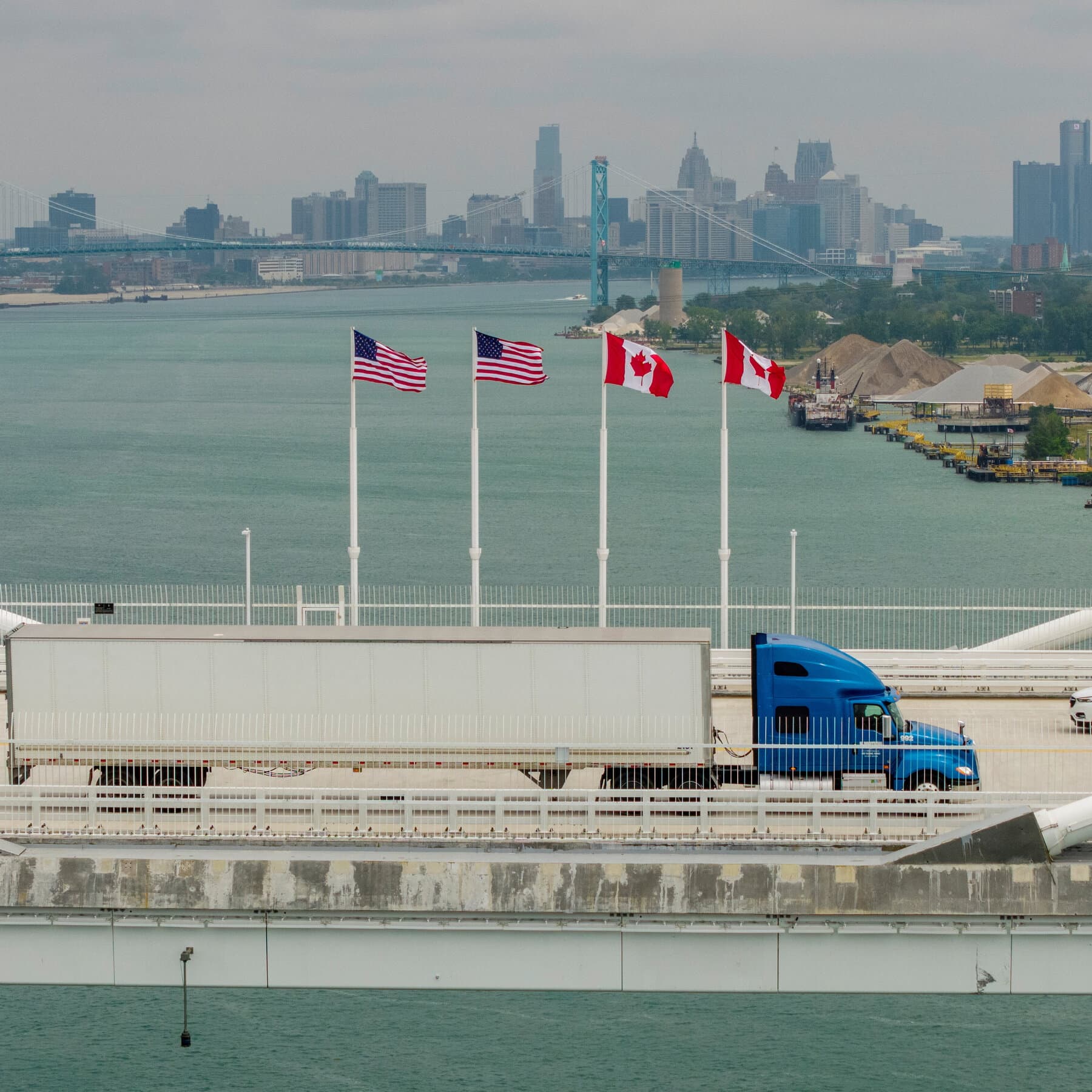
Here's what it means for you.
If you work in the automotive or steel industries, or rely on these sectors, prepare for potential price increases and supply chain disruptions.
Why it matters
This trade escalation could reshape North American supply chains and impact consumer prices across various sectors.
What happened (in 30 seconds)
- On August 24, 2026, President Trump threatened to impose 50% tariffs on Canadian automobiles, parts, and steel starting January 1, 2027.
- This follows the collapse of trade negotiations and the imposition of prior tariffs on $20 billion worth of Canadian exports.
- Canada has announced retaliatory tariffs effective September 8, 2026, targeting U.S. goods including steel and dairy.
The context you actually need
- Trade tensions began with earlier tariffs on Canadian steel and aluminum, leading to retaliatory measures from Canada.
- Negotiations aimed to reduce tariffs but failed due to disputes over coverage and perceived unfair practices.
- Both nations attribute the negotiation breakdown to the other's last-minute demands, escalating the conflict.
What's really happening
The recent escalation in U.S.-Canada trade relations marks a significant shift from ongoing negotiations to an active trade war. The backdrop of this conflict is rooted in a series of tariffs imposed by the Trump administration on Canadian goods, including steel, aluminum, and automobiles, under Section 232 authorities. These tariffs were justified by the U.S. government as necessary for national security, but they have been met with strong retaliatory measures from Canada, which has imposed its own tariffs on U.S. exports.
The failure of trade negotiations, which aimed to reduce tariffs on automobiles from 25% to 15% and on steel and aluminum from 50% to 25%, has intensified the situation. The U.S. cited Canadian trade practices as discriminatory, while Canada viewed U.S. proposals as unbalanced and detrimental to its economy. The collapse of these talks led to the immediate imposition of 50% tariffs on approximately $20 billion worth of Canadian exports, effective August 23, 2026.
In response, Canada announced a dollar-for-dollar retaliation against U.S. goods, targeting key sectors such as steel, dairy, appliances, agricultural equipment, pulp and paper, and electronics. This tit-for-tat approach is likely to disrupt integrated North American supply chains, particularly in the automotive sector, where parts and materials often cross the border multiple times before reaching consumers.
The implications of these tariffs extend beyond immediate economic impacts. Automakers and industry groups have warned that such tariffs could lead to devastating effects on production costs and consumer prices. The volatility in the markets, particularly in the auto and steel sectors, reflects the uncertainty surrounding these trade policies. As both sides dig in, the potential for further escalation looms, with each country blaming the other for the breakdown in negotiations.
Who feels it first (and how)
- Automakers: Increased production costs and potential supply chain disruptions.
- Steel manufacturers: Facing retaliatory tariffs on exports, impacting profitability.
- Consumers: Likely to see higher prices for vehicles and goods reliant on steel and automotive parts.
- Workers in affected industries: Job security may be threatened due to potential layoffs or reduced hours.
- Canadian farmers and dairy producers: Facing retaliatory tariffs on their exports to the U.S.
What to watch next
- Canadian retaliation: Monitor the effectiveness and impact of Canada's retaliatory tariffs on U.S. exports starting September 8, 2026.
- Market reactions: Watch for volatility in the automotive and steel sectors as companies adjust to new tariffs.
- Future negotiations: Keep an eye on any attempts to resume trade talks and the conditions under which they might occur.
The U.S. has imposed 50% tariffs on $20 billion of Canadian exports.
Canada will implement retaliatory tariffs, affecting various U.S. goods.
The long-term impact on consumer prices and employment in affected sectors.
Frequently Asked Questions
- Why it matters?
- This trade escalation could reshape North American supply chains and impact consumer prices across various sectors.
- What happened (in 30 seconds)?
- On August 24, 2026, President Trump threatened to impose 50% tariffs on Canadian automobiles, parts, and steel starting January 1, 2027. This follows the collapse of trade negotiations and the imposition of prior tariffs on $20 billion worth of Canadian exports. Canada has announced retaliatory tariffs effective September 8, 2026, targeting U.S. goods including steel and dairy.
- What's really happening?
- The recent escalation in U.S.-Canada trade relations marks a significant shift from ongoing negotiations to an active trade war. The backdrop of this conflict is rooted in a series of tariffs imposed by the Trump administration on Canadian goods, including steel, aluminum, and automobiles, under Section 232 authorities. These tariffs were justified by the U.S. government as necessary for national security, but they have been met with strong retaliatory measures from Canada, which has imposed its
- Who feels it first (and how)?
- Automakers: Increased production costs and potential supply chain disruptions. Steel manufacturers: Facing retaliatory tariffs on exports, impacting profitability. Consumers: Likely to see higher prices for vehicles and goods reliant on steel and automotive parts. Workers in affected industries: Job security may be threatened due to potential layoffs or reduced hours. Canadian farmers and dairy producers: Facing retaliatory tariffs on their exports to the U.S.
- What to watch next?
- Canadian retaliation: Monitor the effectiveness and impact of Canada's retaliatory tariffs on U.S. exports starting September 8, 2026. Market reactions: Watch for volatility in the automotive and steel sectors as companies adjust to new tariffs. Future negotiations: Keep an eye on any attempts to resume trade talks and the conditions under which they might occur.
Canadian and international political developments and policy debates.
"Global News is a mainstream Canadian outlet with a centrist editorial stance, focusing on factual reporting."
— A47 Editor
Canada’s retaliation ‘should come as no surprise’ to U.S., Champagne says
Canada has announced a series of retaliatory tariffs on U.S. imports, following the U.S. decision to impose a 50% tariff on approximately $20 billion worth of Canadian goods. Finance Canada is adjusting its list of counter-tariffs based on feedback f...
RT is a Russian state-funded network covering global events from a Russian perspective.
"RT is widely criticized for promoting pro-Kremlin narratives and is considered by many to be a state propaganda outlet."
— A47 Editor
US-Canada trade war rolls into bathroom
US-Canada trade tensions have escalated as Canada imposes counter-tariffs on over 700 U.S. products, valued at approximately $19.9 billion, effective September 8. This decision follows the U.S. implementation of a 50% tariff on $20 billion worth of C...
Public radio coverage of American news and issues.
"NPR is an American public media organization known for thoughtful reporting and a slightly left-leaning editorial tone."
— A47 Editor
Canada strikes back in a trade war with the U.S.
Canada has announced retaliatory tariffs on nearly $20 billion worth of U.S. goods in response to the U.S. imposing a 50% tariff on a similar amount of Canadian products, marking a significant escalation in the ongoing trade war between the two natio...
Macro commentary, policy analysis, growth/inflation themes, and global outlooks.
"Contextual macro coverage that complements day-to-day market headlines."
— A47 Editor
Canada slaps retaliatory tariffs on US goods worth $20 billion as trade war intensifies
Canada has announced retaliatory tariffs on approximately $20 billion worth of U.S. goods, escalating the trade conflict between the two nations. This decision follows the U.S. imposing a 50% tariff on Canadian goods after trade negotiations collapse...
Business, investment, entrepreneurship, leadership, and innovation.
"Forbes is known for its coverage of business leaders, market trends, and entrepreneurial ventures with a pro-business editorial stance."
— A47 Editor
This Isn’t A U.S.-Canada Trade War (Yet), It’s A Silly Schoolyard Spat
The trade tensions between the U.S. and Canada have escalated, with President Trump threatening to impose a 50% tariff on a range of Canadian goods, including cars and trucks, following failed negotiations for a trade deal. Canada has responded by an...
RT is a Russian state-funded network covering global events from a Russian perspective.
"RT is widely criticized for promoting pro-Kremlin narratives and is considered by many to be a state propaganda outlet."
— A47 Editor
Canada hits US with retaliatory tariffs
Canada has announced retaliatory tariffs on over 700 U.S. products, valued at approximately $19.9 billion, effective September 8, following the U.S. decision to impose a 50% tariff on $20 billion worth of Canadian goods after trade negotiations colla...
Global news coverage with extensive reporting on Middle Eastern conflicts and geopolitics.
"Al Jazeera is a Qatar-based broadcaster known for wide regional coverage and alternative perspectives."
— A47 Editor
Canada hits US with counter-tariffs on more than 700 products
Canada has announced the imposition of counter-tariffs on over 700 U.S. products, valued at approximately $19.9 billion, effective September 8. This decision follows the collapse of trade negotiations between the two nations and comes in response to ...
Comprehensive coverage of Middle Eastern and global issues.
"Al Jazeera is a prominent voice from the Global South, especially the Middle East, with an emphasis on underreported stories."
— A47 Editor
Canada hits US with counter-tariffs on more than 700 products
Canada has announced the imposition of counter-tariffs on over 700 U.S. products, valued at approximately $19.9 billion, effective September 8. This decision follows the collapse of trade negotiations between the two nations and comes in response to ...
Capitol Hill news, legislation, and policy insight.
"The Hill specializes in U.S. politics and policy, with a focus on Capitol Hill developments and a reputation for insider reporting."
— A47 Editor
Canada announces 'dollar for dollar, rate for rate' retaliatory tariffs on US
Canada has announced retaliatory tariffs on hundreds of American products, with rates reaching as high as 50 percent, effective September 8. This decision follows the collapse of trade negotiations between the two countries, which were exacerbated by...
Right-of-center views on political news.
"The Washington Times is a conservative-leaning newspaper known for its political coverage and advocacy of right-of-center viewpoints."
— A47 Editor
Canada answers with tariffs against U.S., unveils $7.5B loan for industries targeted by Trump
Canadian leaders have announced retaliatory tariffs against nearly $28 billion in U.S. products, responding to President Trump's recent imposition of a 50% tariff on approximately $20 billion worth of Canadian goods. This decision reflects a refusal ...
Global coverage of politics, crises, and international affairs.
"HuffPost provides progressive-oriented reporting on international developments, often focusing on humanitarian and social justice issues."
— A47 Editor
Canada Announces $20 Billion In Retaliatory Tariffs On U.S. Goods
Canada has announced retaliatory tariffs on approximately $20 billion worth of U.S. goods, escalating the ongoing trade war initiated by the U.S. imposition of a 50% tariff on Canadian products following failed trade negotiations. This decision refle...
Macro commentary, policy analysis, growth/inflation themes, and global outlooks.
"Contextual macro coverage that complements day-to-day market headlines."
— A47 Editor
Canada to announce retaliatory tariffs on US goods today
Canada is set to announce retaliatory tariffs on U.S. goods today, following the U.S. implementation of a 50% tariff on approximately $20 billion worth of Canadian imports. This decision comes after trade negotiations between the two nations collapse...
National coverage of politics and current events across Canada.
"Global News is a mainstream Canadian outlet with a centrist editorial stance, focusing on factual reporting."
— A47 Editor
Canada hits back with counter-tariffs on 700 U.S. goods worth $28B
Trade negotiations between Canada and the United States collapsed, prompting Canadian Prime Minister Mark Carney to announce retaliatory tariffs on 700 U.S. goods valued at $28 billion. This response follows the U.S. imposing a 50% tariff on $20 bill...
Markets, economy, and company analysis from NYT’s business desk.
"The New York Times is a globally recognized newspaper offering authoritative reporting with a center-left editorial stance."
— A47 Editor
Trump Threatens New 50% Tariffs on Cars, Trucks and Steel as U.S.-Canada Trade War Unfolds
President Trump has announced plans to impose a 50% tariff on cars, trucks, auto parts, and steel starting January 1, amid escalating trade tensions with Canada following the failure to reach a trade deal. This announcement follows the imposition of ...