
US Fuel Prices Hit Record High of $4.14 per Gallon Amid Ongoing Iran Conflict
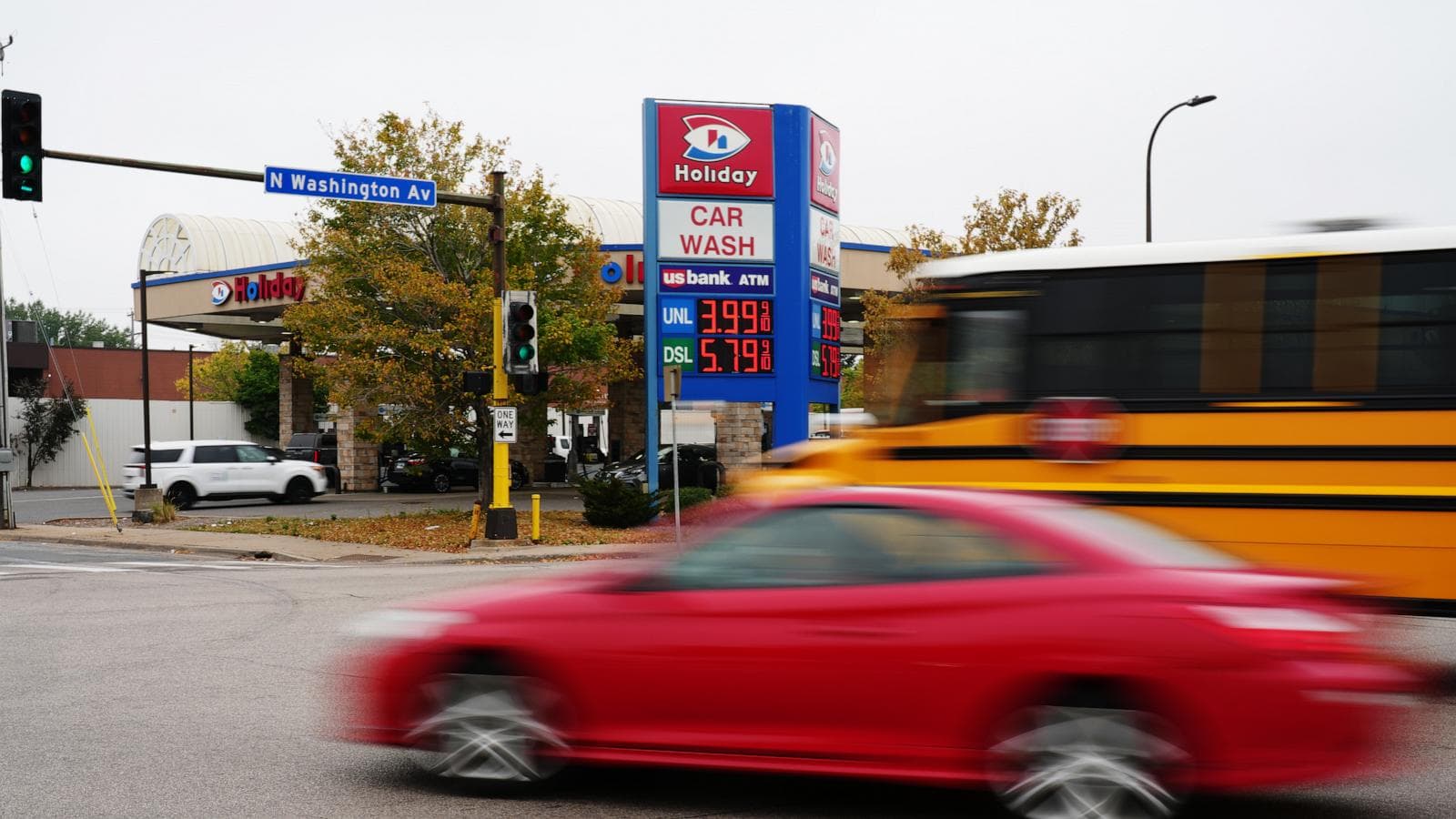
Here's what it means for you.
Rising fuel prices are set to impact your travel costs and everyday expenses, especially as the holiday season approaches.
Why it matters
The surge in fuel prices reflects broader geopolitical tensions and domestic supply chain challenges, affecting consumer spending and inflation.
What happened (in 30 seconds)
- US fuel prices reached a record high of $4.14 per gallon for regular gasoline on Labor Day weekend, marking a nearly $1 increase from the previous year.
- Diesel prices also soared to $5.85 per gallon, contributing to higher transportation costs that will be passed on to consumers.
- The spike is attributed to the ongoing Iran War and refinery constraints, with limited immediate relief expected despite government efforts.
The context you actually need
- The Iran War began in February 2026, following US and Israeli strikes, disrupting crude oil traffic through the Strait of Hormuz.
- US refineries are operating at 98% capacity, facing additional pressures from extreme weather and international supply chain disruptions.
- Energy Secretary Chris Wright indicated that while prices are higher than in 2025, futures markets suggest a potential decline of $0.35 per gallon by November.
What's really happening
The record fuel prices are a direct consequence of geopolitical instability and domestic supply chain issues. The Iran War, which commenced in February 2026, has significantly disrupted oil supply routes, particularly through the critical Strait of Hormuz. Iran's refusal to reopen this waterway has led to a reduction in crude oil traffic, exacerbating the situation.
Simultaneously, US refineries are operating at near-full capacity (98%), which limits their ability to respond to increased demand or supply disruptions. The harsh Texas heat has further strained operations, leading to inefficiencies and production bottlenecks. Additionally, external factors such as Ukrainian drone attacks on Russian refineries and declining oil outputs from China have compounded the supply issues, creating a perfect storm for rising fuel prices.
As a result, the national average price for regular gasoline surged to $4.14 per gallon, surpassing the previous Labor Day record of $3.82 set in 2012. Diesel prices also hit a record high of $5.85 per gallon, which has significant implications for freight and grocery costs. The increased transportation costs are likely to be passed on to consumers, affecting everything from holiday travel to everyday purchases.
The Biden administration has responded by pursuing increased domestic production, regulatory easing, and releasing oil from the Strategic Petroleum Reserve. However, these measures may take time to translate into lower prices at the pump. Energy Secretary Chris Wright has acknowledged the higher prices but remains optimistic about a potential decline in the coming months, as futures markets indicate a possible drop by November.
The implications of these price hikes extend beyond just fuel costs; they are likely to influence consumer behavior, with many Americans reconsidering travel plans and spending habits as inflation concerns rise. The overall economic landscape is shifting, with energy costs expected to add over $100 billion to US energy expenses due to the ongoing conflict.
Who feels it first (and how)
- Travelers: Higher fuel prices will increase travel costs, particularly during peak holiday seasons.
- Freight and logistics companies: Rising diesel prices will elevate transportation costs, impacting supply chains and product prices.
- Consumers: Increased costs for goods and services as businesses pass on higher transportation expenses.
- Low-income households: More vulnerable to price increases, as a larger portion of their budget is allocated to fuel and transportation.
What to watch next
- Futures market trends: Monitoring oil futures can provide insights into potential price declines or further increases.
- Government policy changes: Any new measures from the Biden administration aimed at stabilizing fuel prices could impact market dynamics.
- Geopolitical developments: Ongoing tensions in the Middle East will continue to influence global oil supply and prices.
Fuel prices are at record highs due to geopolitical tensions and refinery constraints.
Prices may decline by $0.35 per gallon by November 2026, according to futures markets.
The long-term impact of the Iran War on global oil supply and prices remains uncertain.
Frequently Asked Questions
- Why it matters?
- The surge in fuel prices reflects broader geopolitical tensions and domestic supply chain challenges, affecting consumer spending and inflation.
- What happened (in 30 seconds)?
- US fuel prices reached a record high of $4.14 per gallon for regular gasoline on Labor Day weekend, marking a nearly $1 increase from the previous year. Diesel prices also soared to $5.85 per gallon, contributing to higher transportation costs that will be passed on to consumers. The spike is attributed to the ongoing Iran War and refinery constraints, with limited immediate relief expected despite government efforts.
- What's really happening?
- The record fuel prices are a direct consequence of geopolitical instability and domestic supply chain issues. The Iran War, which commenced in February 2026, has significantly disrupted oil supply routes, particularly through the critical Strait of Hormuz. Iran's refusal to reopen this waterway has led to a reduction in crude oil traffic, exacerbating the situation. Simultaneously, US refineries are operating at near-full capacity (98%), which limits their ability to respond to increased deman
- Who feels it first (and how)?
- Travelers: Higher fuel prices will increase travel costs, particularly during peak holiday seasons. Freight and logistics companies: Rising diesel prices will elevate transportation costs, impacting supply chains and product prices. Consumers: Increased costs for goods and services as businesses pass on higher transportation expenses. Low-income households: More vulnerable to price increases, as a larger portion of their budget is allocated to fuel and transportation.
- What to watch next?
- Futures market trends: Monitoring oil futures can provide insights into potential price declines or further increases. Government policy changes: Any new measures from the Biden administration aimed at stabilizing fuel prices could impact market dynamics. Geopolitical developments: Ongoing tensions in the Middle East will continue to influence global oil supply and prices.
Global business headlines with AI angles.
"General business outlet that frequently covers AI."
— A47 Editor
Gas Prices Are Still Squeezing American Families. Prices Could Increase Further In The Fall.
Diesel prices have reached a record national average of $5.90 a gallon as of Labor Day, significantly increasing costs for freight and deliveries. This rise in fuel prices is expected to impact consumers by driving up the prices of food and other goo...
Conservative-leaning political and national coverage.
"The Washington Times is a conservative-leaning newspaper known for its political coverage and advocacy of right-of-center viewpoints."
— A47 Editor
Fuel prices at record Labor Day high in U.S. thanks to Iran war and refinery issues
Fuel prices in the U.S. have reached a record high for the Labor Day weekend, averaging $4.14 per gallon, largely due to ongoing tensions with Iran and refinery issues. This surge in fuel costs is placing a significant financial burden on consumers l...
U.S. business news, corporate developments, and economy.
"The Wall Street Journal is respected for deep financial and economic reporting with a center-right editorial perspective."
— A47 Editor
U.S. Gasoline Prices Hit Labor Day Record
American drivers are facing record gasoline prices this Labor Day, with costs exceeding $4 per gallon due to rising crude oil prices and supply disruptions stemming from ongoing tensions in the Middle East and Russia.
Major U.S. developments and regional news.
"ABC News delivers broad national coverage with a mainstream editorial stance, focusing on accessibility and balanced reporting."
— A47 Editor
Fuel prices at record Labor Day high in US thanks to Iran War and refinery issues
Fuel prices in the United States have reached a record high for the Labor Day weekend, averaging $4.14 per gallon, primarily due to ongoing tensions with Iran and refinery issues. This surge places a significant financial burden on consumers during a...
Coverage of national news and events from across the United States.
"HuffPost is known for its progressive editorial stance, offering opinionated yet comprehensive coverage on social, political, and cultural topics."
— A47 Editor
Fuel Prices At Record Labor Day High In U.S. Thanks To Iran War And Refinery Issues
Gas prices in the U.S. have reached a record high for the Labor Day weekend, averaging $4.14 per gallon, primarily due to ongoing tensions with Iran and refinery issues. This surge marks a significant financial burden for consumers during a holiday t...