
Iran Doubles Gasoline Prices for Heavy Consumers Amid Economic Crisis
Here's what it means for you.
If you rely on oil markets, this adjustment could influence global prices and shipping routes.
Why it matters
This policy reflects Iran's struggle to balance domestic consumption with wartime economic pressures, impacting regional energy dynamics.
What happened (in 30 seconds)
- On September 8, 2026, Iran doubled gasoline prices for the top 15% of consumers exceeding a monthly quota.
- Daily gasoline consumption hit a record 145 million liters, surpassing domestic production capacity of 122 million liters.
- Public response included long queues at gas stations and heightened security, with concerns over inflation and cost-of-living increases.
The context you actually need
- Iran's gasoline prices are among the lowest globally, historically viewed as a right, leading to previous unrest during price hikes.
- Chronic fuel deficits stem from an aging vehicle fleet and inadequate public transport, exacerbated by U.S. sanctions and ongoing conflict.
- Inflation is currently near 67%, with the rial depreciating to record lows, intensifying the economic strain on the population.
What's really happening
The Iranian government announced a tiered gasoline price increase on September 7, 2026, as part of a broader strategy to manage fuel consumption amid severe economic challenges. The adjustment specifically targets the heaviest consumers—those exceeding a monthly quota of 110 liters—who will now pay 100,000 rials (approximately 7 cents) per liter for excess usage. This marks the second price increase since December 2025, reflecting a growing urgency to address record consumption levels that have reached 145 million liters daily.
The rationale behind this policy is twofold: first, to curb excessive fuel consumption, and second, to generate additional revenue that the government claims will support households. However, the implementation of this policy has raised immediate concerns among the public, who fear that it will lead to cascading price increases on essential goods, such as bread and meat. The Iranian economy is already grappling with inflationary pressures, and many citizens are skeptical about the government's assurances regarding the distribution of the additional revenue.
The backdrop to this policy is a complex interplay of factors, including U.S. sanctions related to Iran's nuclear program, which have severely restricted the country's economic capabilities. The sanctions have led to a significant decline in oil exports, forcing Iran to rely more heavily on domestic consumption. The aging vehicle fleet and inadequate public transport infrastructure further exacerbate the situation, as demand for gasoline continues to outstrip production capacity.
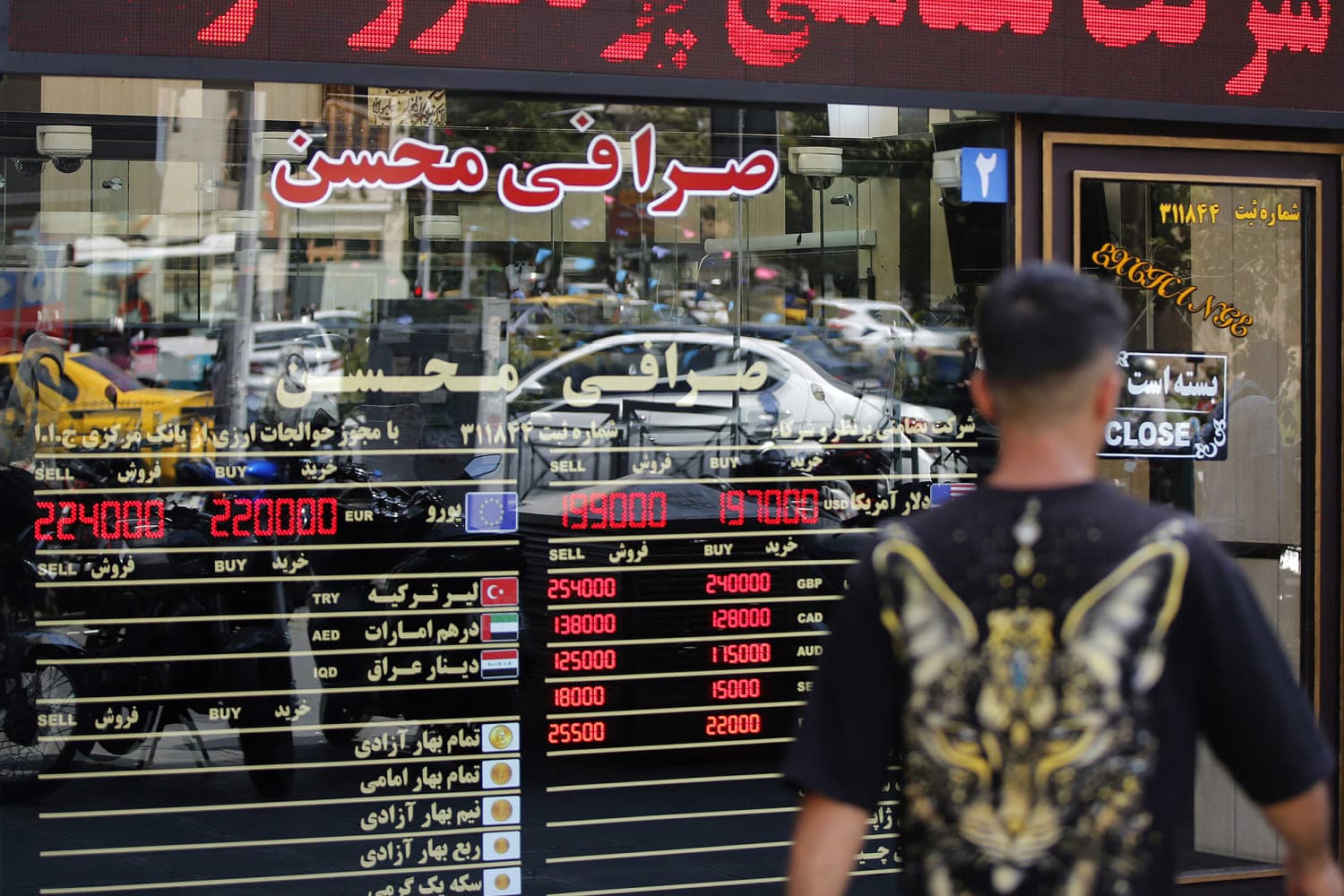
Moreover, the geopolitical landscape has intensified, with ongoing conflicts involving the United States contributing to a volatile economic environment. The rial's depreciation to record lows—around 2.22-2.27 million per U.S. dollar—has compounded the challenges faced by ordinary Iranians, making basic goods increasingly unaffordable. The government's decision to raise gasoline prices is seen as a desperate measure to stabilize the economy, but it risks igniting public discontent, reminiscent of the protests that erupted following previous price hikes.
As the policy rolls out, the immediate effects are visible: long queues at gas stations, heightened security presence, and a palpable sense of anxiety among the populace. While the government has framed this adjustment as a necessary step for national resilience, the historical context of fuel price increases in Iran suggests that the potential for unrest remains a significant concern.
Who feels it first (and how)
- Heavy consumers: Those exceeding the monthly gasoline quota will face immediate financial impacts.
- Low-income households: Vulnerable populations may struggle with rising costs of living as inflationary pressures mount.
- Transport sector: Increased fuel prices could lead to higher transportation costs, affecting logistics and goods pricing.
- General public: Citizens may experience anxiety over potential price hikes in essential goods and services.
What to watch next
- Public sentiment: Monitor social media and news for signs of unrest or protests, which could indicate rising discontent.
- Inflation trends: Keep an eye on inflation rates and essential goods pricing to gauge the broader economic impact of the gasoline price hike.
- Geopolitical developments: Watch for changes in U.S.-Iran relations that could further influence economic conditions and fuel supply dynamics.
The price increase targets the top 15% of gasoline consumers.
Rising inflation will affect the cost of essential goods, leading to public discontent.
The long-term effectiveness of this policy in stabilizing the economy remains uncertain.
Frequently Asked Questions
- Why it matters?
- This policy reflects Iran's struggle to balance domestic consumption with wartime economic pressures, impacting regional energy dynamics.
- What happened (in 30 seconds)?
- On September 8, 2026, Iran doubled gasoline prices for the top 15% of consumers exceeding a monthly quota. Daily gasoline consumption hit a record 145 million liters, surpassing domestic production capacity of 122 million liters. Public response included long queues at gas stations and heightened security, with concerns over inflation and cost-of-living increases.
- What's really happening?
- The Iranian government announced a tiered gasoline price increase on September 7, 2026, as part of a broader strategy to manage fuel consumption amid severe economic challenges. The adjustment specifically targets the heaviest consumers—those exceeding a monthly quota of 110 liters—who will now pay 100,000 rials (approximately 7 cents) per liter for excess usage. This marks the second price increase since December 2025, reflecting a growing urgency to address record consumption levels that have
- Who feels it first (and how)?
- Heavy consumers: Those exceeding the monthly gasoline quota will face immediate financial impacts. Low-income households: Vulnerable populations may struggle with rising costs of living as inflationary pressures mount. Transport sector: Increased fuel prices could lead to higher transportation costs, affecting logistics and goods pricing. General public: Citizens may experience anxiety over potential price hikes in essential goods and services.
- What to watch next?
- Public sentiment: Monitor social media and news for signs of unrest or protests, which could indicate rising discontent. Inflation trends: Keep an eye on inflation rates and essential goods pricing to gauge the broader economic impact of the gasoline price hike. Geopolitical developments: Watch for changes in U.S.-Iran relations that could further influence economic conditions and fuel supply dynamics.
Focused political reporting and governmental affairs.
"NBC News is a mainstream media outlet known for comprehensive national and international news coverage with a centrist to slightly left-leaning editorial tone."
— A47 Editor
Iran increases gasoline price for its heaviest consumers as economy struggles
Iran has raised gasoline prices for its heaviest consumers as part of ongoing economic measures amid a struggling economy exacerbated by months of conflict. This marks the second price increase since December, reflecting the government's response to ...
Comprehensive coverage of global events, politics, and international issues.
"NBC News is a mainstream outlet known for comprehensive national and international coverage with a centrist to slightly left-leaning editorial tone."
— A47 Editor
Iran increases gasoline price for its heaviest consumers as economy struggles
Iran has raised gasoline prices for its heaviest consumers as part of ongoing economic measures amid a struggling economy exacerbated by months of conflict. This marks the second price increase since December, reflecting the government's response to ...
Conservative-leaning political and national coverage.
"The Washington Times is a conservative-leaning newspaper known for its political coverage and advocacy of right-of-center viewpoints."
— A47 Editor
Iran increases gasoline price for its heaviest consumers as economy struggles
Iran has raised gasoline prices for its heaviest consumers as part of ongoing economic measures amid a struggling economy exacerbated by months of conflict. This marks the second price increase since December, reflecting the government's response to ...
UAE-based English-language newspaper covering regional politics, economics, and global affairs.
"The National reflects Emirati policy perspectives while maintaining international editorial standards."
— A47 Editor
Petrol prices to double under Iran's war economy
Petrol prices in Iran are expected to double as the country grapples with the economic fallout from ongoing conflict and sanctions. The Iranian regime is facing a significant spending crunch, leading to rising costs and shortages of essential goods f...