
U.S. Treasury Yields Hit 22-Year Highs Amid Iran Conflict and Oil Price Volatility
Why it matters
The surge in U.S. Treasury yields reflects broader inflationary pressures and geopolitical instability, affecting global financial markets.
What happened (in 30 seconds)
- U.S. Treasury yields reached multi-decade highs, with the 30-year yield hitting 5.47% and the 10-year at 5.18%.
- Oil prices spiked due to stalled U.S.-Iran negotiations but later fluctuated on reports of potential phased negotiations.
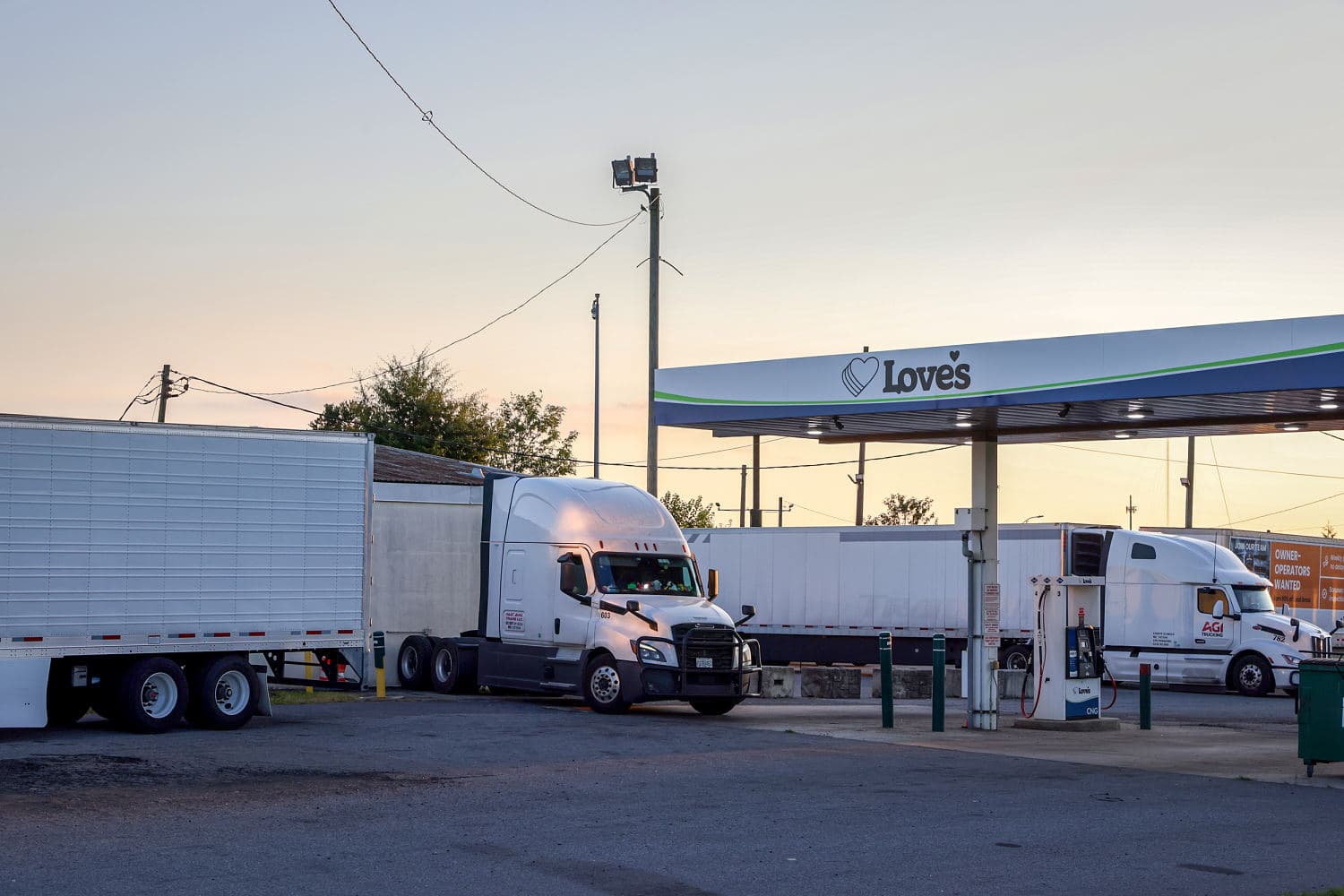
- Consumer borrowing rates increased, pushing mortgage rates to 7.37% and diesel prices to record levels.
The context you actually need
- The Iran conflict, ongoing since February 2026, has disrupted global energy supplies, particularly through the Strait of Hormuz, leading to a 65% rise in oil prices year-to-date.
- Central banks are signaling further monetary tightening in response to persistent inflation concerns driven by elevated energy costs.
- U.S. Treasury interventions, including bond buybacks, have had limited success in stabilizing yields amid rising inflation expectations.
What's really happening
The recent spike in U.S. Treasury yields is a direct response to a combination of geopolitical tensions and economic indicators. On September 24, 2026, yields surged as investors reacted to a report from S&P Global indicating accelerating business activity and the steepest input cost increases in four years. This data suggested that inflation pressures were not easing, prompting fears of further Federal Reserve rate hikes.
The ongoing conflict with Iran has exacerbated these inflationary pressures. Since the conflict began, oil prices have risen sharply, contributing to increased costs across various sectors. The Strait of Hormuz, a critical chokepoint for global oil shipments, remains a focal point of tension, with any disruptions potentially leading to significant price spikes. As oil prices climbed, so did consumer borrowing rates, with 30-year fixed mortgage rates reaching 7.37%, the highest in over a decade. This creates a challenging environment for homebuyers and those looking to refinance.
Despite efforts by U.S. Treasury Secretary Scott Bessent to stabilize yields through bond buybacks, the market remains volatile. The Federal Reserve's hawkish stance, indicated by officials like John Williams and Anna Paulson, suggests that additional rate hikes may be on the horizon. This could further elevate borrowing costs, impacting everything from mortgages to business loans.
The fluctuations in oil prices also reflect the market's uncertainty regarding U.S.-Iran negotiations. Initial spikes in oil prices were followed by a partial reversal when reports surfaced about potential phased negotiations. However, the overall trend remains upward, with Brent crude closing at $106.60 per barrel, indicating that the market is still reacting to geopolitical developments.
In summary, the interplay between rising Treasury yields and fluctuating oil prices is a reflection of broader economic conditions, including inflation and geopolitical risks. As these factors continue to evolve, they will have significant implications for consumers, investors, and policymakers alike.
Who feels it first (and how)
- Homebuyers: Higher mortgage rates increase monthly payments, making homeownership less affordable.
- Businesses: Increased borrowing costs can lead to reduced investment and slower growth.
- Consumers: Rising diesel prices affect transportation costs, leading to higher prices for goods and services.
- Investors: Volatile yields can impact bond portfolios and investment strategies.
What to watch next
- Federal Reserve announcements: Any signals regarding interest rate hikes will be crucial for market expectations and borrowing costs.
- Oil price trends: Continued fluctuations in oil prices will impact inflation and consumer spending.
- U.S.-Iran negotiations: Progress or setbacks in talks could significantly influence energy markets and geopolitical stability.
U.S. Treasury yields are at multi-decade highs.
Further Federal Reserve rate hikes are anticipated by year-end.
The outcome of U.S.-Iran negotiations and its impact on oil prices.
Frequently Asked Questions
- Why it matters?
- The surge in U.S. Treasury yields reflects broader inflationary pressures and geopolitical instability, affecting global financial markets.
- What happened (in 30 seconds)?
- U.S. Treasury yields reached multi-decade highs, with the 30-year yield hitting 5.47% and the 10-year at 5.18%. Oil prices spiked due to stalled U.S.-Iran negotiations but later fluctuated on reports of potential phased negotiations. Consumer borrowing rates increased, pushing mortgage rates to 7.37% and diesel prices to record levels.
- What's really happening?
- The recent spike in U.S. Treasury yields is a direct response to a combination of geopolitical tensions and economic indicators. On September 24, 2026, yields surged as investors reacted to a report from S&P Global indicating accelerating business activity and the steepest input cost increases in four years. This data suggested that inflation pressures were not easing, prompting fears of further Federal Reserve rate hikes. The ongoing conflict with Iran has exacerbated these inflationary pressu
- Who feels it first (and how)?
- Homebuyers: Higher mortgage rates increase monthly payments, making homeownership less affordable. Businesses: Increased borrowing costs can lead to reduced investment and slower growth. Consumers: Rising diesel prices affect transportation costs, leading to higher prices for goods and services. Investors: Volatile yields can impact bond portfolios and investment strategies.
- What to watch next?
- Federal Reserve announcements: Any signals regarding interest rate hikes will be crucial for market expectations and borrowing costs. Oil price trends: Continued fluctuations in oil prices will impact inflation and consumer spending. U.S.-Iran negotiations: Progress or setbacks in talks could significantly influence energy markets and geopolitical stability.
Global markets, investing, and macroeconomics from a premier financial newsroom.
"Bloomberg is respected for in-depth financial reporting and data-driven analysis."
— A47 Editor
Bond Losses Build as Oil Fans Inflation Concerns: Markets Wrap
A global bond selloff has intensified as oil prices surged, reaching $109 per barrel, which has heightened inflation concerns and pushed long-term Treasury yields to multi-decade highs. This trend has been exacerbated by a Treasury buyback operation ...
Editor-curated FT homepage stories spanning markets, business, world, and opinion.
"The Financial Times is a globally respected business publication with a centrist/center-left tone and strong markets focus."
— A47 Editor
US mortgage rates breach 7% as affordability pressures mount
US mortgage rates have surpassed 7%, driven by rising yields on government bonds and escalating oil prices amid ongoing tensions in Iran, which are fueling inflation fears as national elections approach.
National headlines across the United States including breaking stories and societal issues.
"NBC News is a mainstream media outlet known for comprehensive national and international news coverage with a centrist to slightly left-leaning editorial tone."
— A47 Editor
Bond yields surge to fresh two-decade highs, but oil prices are buffeted by Iran headlines
U.S. Treasury bond yields have surged to their highest levels in two decades, with the 10-year yield reaching 5.11%, reflecting ongoing economic uncertainty and rising inflation pressures. This increase has already led to higher borrowing costs for c...
Global markets, investing, and macroeconomics from a premier financial newsroom.
"Bloomberg is respected for in-depth financial reporting and data-driven analysis."
— A47 Editor
US Bond-Market Slide Deepens, Pushing Yields to Two-Decade Highs
The US Treasuries market experienced intensified losses, with yields reaching their highest levels in nearly two decades, driven by strong economic data and a disappointing debt auction. This trend reflects a significant shift in investor sentiment a...