
Bank of England Governor Warns of AI-Driven Financial Market Risks
Why it matters
The warning from the Bank of England highlights systemic risks in financial markets driven by AI investments.
What happened (in 30 seconds)
- On October 1, 2026, Bank of England Governor Andrew Bailey cautioned about potential financial market shocks due to the AI boom.
- He emphasized the need for preparedness against asset price corrections, drawing parallels to past tech cycles.
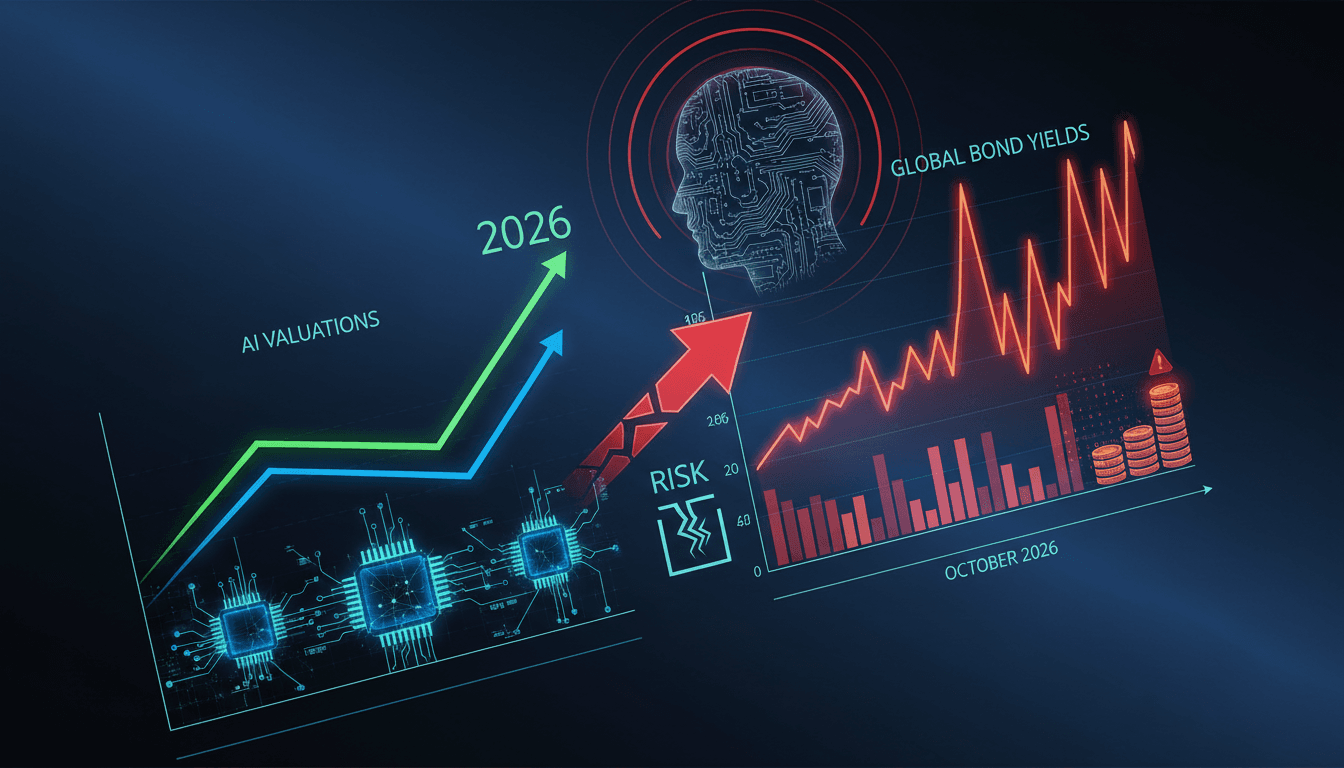
- Global bond yields surged, reflecting investor shifts towards AI-related assets amid rising valuations.
The context you actually need
- AI investments have surged, with companies like Nvidia reaching valuations of $5.5 trillion, driven by investor optimism.
- The Bank of England has previously warned about AI-related financial stability risks, including rapid increases in AI debt issuance.
- Historical precedents show that not all tech leaders maintain their positions, indicating potential volatility in the market.
What's really happening
The rapid rise of artificial intelligence (AI) technologies has led to unprecedented levels of investment, with companies like Nvidia achieving valuations of $5.5 trillion. This surge is fueled by high expectations from investors who believe that AI will revolutionize industries and drive economic growth. However, Bank of England Governor Andrew Bailey's warning serves as a crucial reminder that such optimism can lead to significant market risks.
Bailey's remarks highlight the dual nature of the AI boom: while it presents substantial growth opportunities for the UK economy, it also poses threats, including potential asset price corrections. The current environment is reminiscent of past technology cycles, such as the dot-com bubble, where inflated valuations led to dramatic market corrections. Bailey's caution is particularly relevant given the rapid increase in AI debt issuance, estimated at $450 billion globally by early September 2026. This level of leverage raises concerns about the sustainability of these valuations and the potential for widespread financial instability.
Moreover, the interconnectedness of global markets means that shocks in one region can have ripple effects worldwide. As investors flock to AI-related assets, they may overlook underlying vulnerabilities, such as cyber risks and concentrated market bets. Bailey's reference to AI-enabled cyber threats, including deepfake incidents, underscores the need for vigilance in an increasingly digital financial landscape.
The Bank of England's ongoing monitoring of financial system resilience reflects a proactive approach to managing these risks. However, without new regulatory measures, the potential for market shocks remains high. As bond yields rise sharply, with 30-year UK yields exceeding 6% and US 10-year yields at 5.34%, the implications for investors are significant. Higher yields can lead to increased borrowing costs and reduced liquidity, further exacerbating market volatility.
In summary, while the AI boom offers exciting prospects, it also carries inherent risks that could lead to financial market shocks. Bailey's warning serves as a critical reminder for investors to remain cautious and prepared for potential corrections.
Who feels it first (and how)
- Tech investors: Those heavily invested in AI firms may experience immediate impacts from valuation corrections.
- Financial institutions: Banks and investment firms with significant exposure to AI-related assets could face increased volatility.
- Consumers: Individuals relying on credit may see higher borrowing costs as bond yields rise.
What to watch next
- AI debt issuance trends: Monitoring the growth of AI-related debt will indicate potential market vulnerabilities.
- Global bond yields: Continued increases in yields could signal tightening liquidity and impact investment strategies.
- Regulatory responses: Any new measures from central banks regarding AI investments will shape market dynamics.
AI investments are driving significant market valuations.
Increased volatility in financial markets as asset prices adjust.
The extent of regulatory responses to manage AI-related risks.
Frequently Asked Questions
- Why it matters?
- The warning from the Bank of England highlights systemic risks in financial markets driven by AI investments.
- What happened (in 30 seconds)?
- On October 1, 2026, Bank of England Governor Andrew Bailey cautioned about potential financial market shocks due to the AI boom. He emphasized the need for preparedness against asset price corrections, drawing parallels to past tech cycles. Global bond yields surged, reflecting investor shifts towards AI-related assets amid rising valuations.
- What's really happening?
- The rapid rise of artificial intelligence (AI) technologies has led to unprecedented levels of investment, with companies like Nvidia achieving valuations of $5.5 trillion. This surge is fueled by high expectations from investors who believe that AI will revolutionize industries and drive economic growth. However, Bank of England Governor Andrew Bailey's warning serves as a crucial reminder that such optimism can lead to significant market risks. Bailey's remarks highlight the dual nature of th
- Who feels it first (and how)?
- Tech investors: Those heavily invested in AI firms may experience immediate impacts from valuation corrections. Financial institutions: Banks and investment firms with significant exposure to AI-related assets could face increased volatility. Consumers: Individuals relying on credit may see higher borrowing costs as bond yields rise.
- What to watch next?
- AI debt issuance trends: Monitoring the growth of AI-related debt will indicate potential market vulnerabilities. Global bond yields: Continued increases in yields could signal tightening liquidity and impact investment strategies. Regulatory responses: Any new measures from central banks regarding AI investments will shape market dynamics.
Corporate news, economic trends, and markets with UK and global scope.
"BBC News is widely regarded as reputable and impartial, with a public service mandate."
— A47 Editor
AI boom could trigger market shocks, Bank of England boss warns
Andrew Bailey, the Governor of the Bank of England, has issued a warning regarding the potential market shocks that could arise from the ongoing surge in investments in artificial intelligence (AI). He emphasized that the central bank is closely moni...
United Kingdom-focused news including local politics, business, and social issues.
"BBC News is widely regarded as a reputable international news organization, known for its impartial tone and public service mandate."
— A47 Editor
AI boom could trigger market shocks, Bank of England boss warns
Andrew Bailey, the Governor of the Bank of England, has issued a warning regarding the potential market shocks that could arise from the ongoing surge in investments in artificial intelligence (AI). He emphasized that the central bank is closely moni...
News and features on AI from The Guardian.
"Progressive-leaning international outlet with critical AI coverage."
— A47 Editor
We need ‘right to intervene’ in AI amid growing threat, says Bank of England boss
Andrew Bailey, the Governor of the Bank of England, has called for the establishment of a 'right to intervene' in the artificial intelligence (AI) sector due to rising concerns that rogue AI models could jeopardize the financial system. He emphasized...
UK and international business news, economics, and corporate coverage.
"The Guardian’s business section covers finance and markets with a progressive editorial tone."
— A47 Editor
We need ‘right to intervene’ in AI amid growing threat, says Bank of England boss
Andrew Bailey, the Governor of the Bank of England, has called for the establishment of a 'right to intervene' in the artificial intelligence (AI) sector due to rising concerns that rogue AI models could jeopardize the financial system. He emphasized...
Tech culture, product news, and critical takes on the tech industry's social impact.
"The Guardian's tech coverage blends mainstream news, critical analysis, and cultural commentary on emerging technologies and digital trends."
— A47 Editor
We need ‘right to intervene’ in AI amid growing threat, says Bank of England boss
Andrew Bailey, the Governor of the Bank of England, has called for the establishment of a 'right to intervene' in the artificial intelligence (AI) sector due to rising concerns that rogue AI models could jeopardize the financial system. He emphasized...
Global political, business, and cultural coverage from WSJ international desks.
"The Wall Street Journal offers extensive international reporting with a reputation for financial insight and a center-right editorial stance."
— A47 Editor
BOE Sees Threat to Government Bonds in AI Growth Miss
The Bank of England (BOE) has warned that a failure of artificial intelligence (AI) to boost productivity and economic growth could negatively impact government bond prices. This concern arises from the bank's assessment of the current economic lands...