
Oil Prices Rise Amid Iranian Vessel Attacks and Increased Shipments in Hormuz
Why it matters
The fluctuations in oil prices directly affect global economic stability and consumer spending patterns.
What happened (in 30 seconds)
- Oil prices surged on October 7, 2026, with Brent crude nearing $100 per barrel and WTI around $88 due to geopolitical tensions.
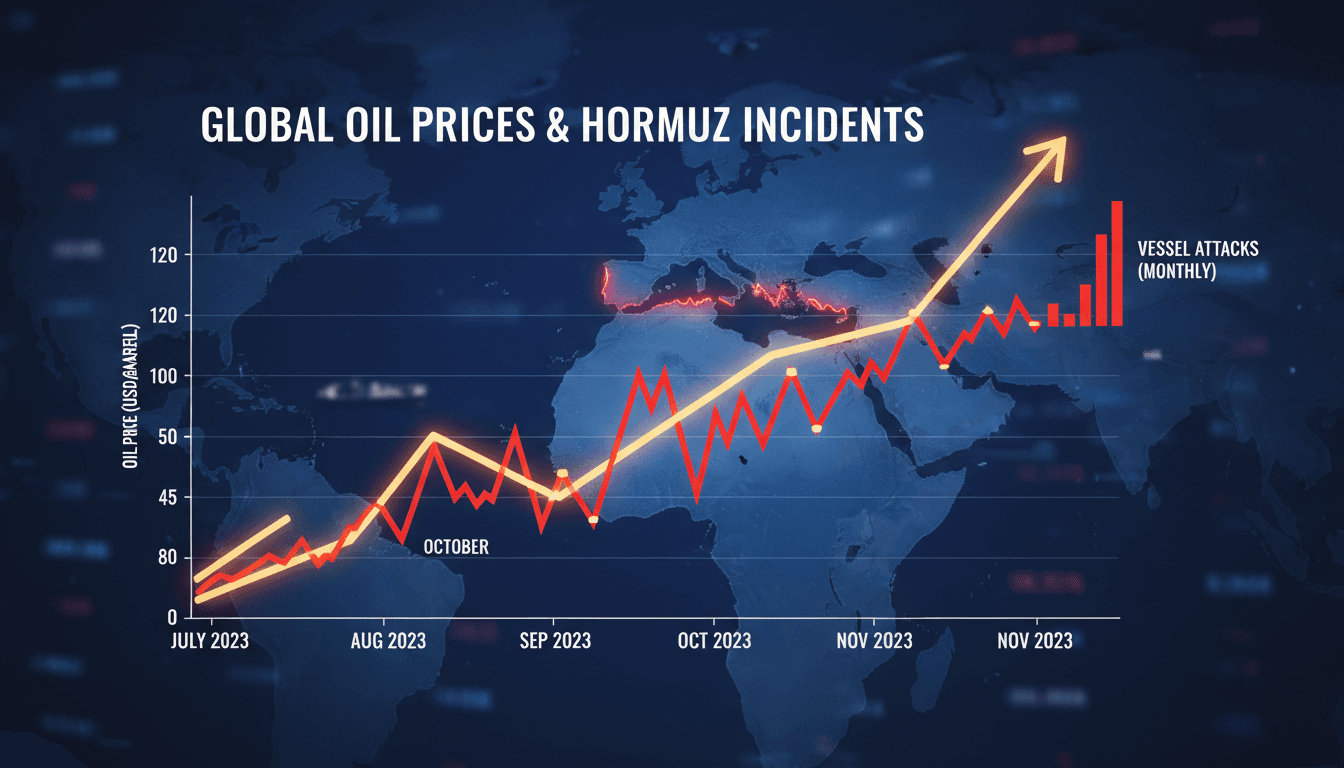
- Nine vessel attacks were reported in the Strait of Hormuz, raising security concerns and prompting volatile trading.
- Saudi Arabia's pipeline flows remained robust at 5.8 million barrels per day, providing some supply optimism amid the chaos.
The context you actually need
- Ongoing regional conflict: The situation is exacerbated by the war with Iran, which has seen increased attacks on shipping routes.
- Supply chain disruptions: Previous Houthi strikes and Saudi pipeline disruptions have already strained oil supplies, leading to elevated prices since September.
- Diversification efforts: Gulf states, including the UAE and Oman, are investing in alternative export routes to reduce reliance on the Strait of Hormuz.
What's really happening
The oil market is currently navigating a precarious balance between supply and geopolitical risk. On one hand, shipments through the Strait of Hormuz have increased, with approximately 12 million barrels per day (bpd) of crude and 2 million bpd of refined products exported from the Middle East. This uptick in shipments initially buoyed oil prices, as traders anticipated a stable supply despite the ongoing conflict.
However, the situation quickly shifted as reports of vessel attacks began to surface. In October alone, at least nine attacks were recorded, which is half the total for September. This surge in aggression has raised alarms among traders and analysts, leading to a cautious approach in the market. As a result, Brent crude prices rose to nearly $102 before settling around $100, while West Texas Intermediate (WTI) closed near $88, reflecting the volatility of the trading session.
Saudi Arabia's East-West pipeline, which has maintained high flows at 5.8 million bpd, has provided some reassurance to the market. This pipeline is crucial for transporting oil to global markets, and its resilience has helped offset some of the fears stemming from the Iranian attacks. The International Energy Agency (IEA) has also responded to the situation by accelerating stock releases, particularly prioritizing diesel, to stabilize supply.
Despite these efforts, the market remains on edge. The potential for further attacks and the ongoing conflict in the region could lead to more significant disruptions. Additionally, the UAE's investments in bypass infrastructure aim to mitigate dependency on the Strait of Hormuz, which could stabilize long-term import security. However, these developments may also contribute to short-term price pressures on imported goods and transport, affecting consumers directly.
Who feels it first (and how)
- Consumers: Higher fuel and energy costs will impact household budgets, especially for those in lower income brackets.
- Businesses: Companies reliant on transportation and logistics will face increased operational costs, potentially leading to higher prices for goods.
- Investors: Volatility in oil prices can affect stock market performance, particularly for energy sector investments.
- Governments: Countries dependent on oil imports may experience economic strain, influencing policy decisions and fiscal strategies.
What to watch next
- Geopolitical developments: Monitor any escalation in attacks or diplomatic efforts that could stabilize or further destabilize the region.
- Supply chain adjustments: Watch for changes in shipping routes or infrastructure investments that could alter the flow of oil and impact prices.
- Market reactions: Keep an eye on how traders respond to ongoing news, particularly any shifts in IEA stock releases or Saudi pipeline flows.
Oil prices are currently volatile due to geopolitical tensions and vessel attacks.
Continued fluctuations in oil prices as the situation evolves and traders react to new information.
The long-term impact of Gulf states' diversification efforts on global oil supply and pricing.
Frequently Asked Questions
- Why it matters?
- The fluctuations in oil prices directly affect global economic stability and consumer spending patterns.
- What happened (in 30 seconds)?
- Oil prices surged on October 7, 2026, with Brent crude nearing $100 per barrel and WTI around $88 due to geopolitical tensions. Nine vessel attacks were reported in the Strait of Hormuz, raising security concerns and prompting volatile trading. Saudi Arabia's pipeline flows remained robust at 5.8 million barrels per day, providing some supply optimism amid the chaos.
- What's really happening?
- The oil market is currently navigating a precarious balance between supply and geopolitical risk. On one hand, shipments through the Strait of Hormuz have increased, with approximately 12 million barrels per day (bpd) of crude and 2 million bpd of refined products exported from the Middle East. This uptick in shipments initially buoyed oil prices, as traders anticipated a stable supply despite the ongoing conflict. However, the situation quickly shifted as reports of vessel attacks began to sur
- Who feels it first (and how)?
- Consumers: Higher fuel and energy costs will impact household budgets, especially for those in lower income brackets. Businesses: Companies reliant on transportation and logistics will face increased operational costs, potentially leading to higher prices for goods. Investors: Volatility in oil prices can affect stock market performance, particularly for energy sector investments. Governments: Countries dependent on oil imports may experience economic strain, influencing policy decisions and fis
- What to watch next?
- Geopolitical developments: Monitor any escalation in attacks or diplomatic efforts that could stabilize or further destabilize the region. Supply chain adjustments: Watch for changes in shipping routes or infrastructure investments that could alter the flow of oil and impact prices. Market reactions: Keep an eye on how traders respond to ongoing news, particularly any shifts in IEA stock releases or Saudi pipeline flows.
Global markets, investing, and macroeconomics from a premier financial newsroom.
"Bloomberg is respected for in-depth financial reporting and data-driven analysis."
— A47 Editor
Latest Oil Market News and Analysis for Oct. 7
Oil prices have seen an uptick as traders assess the implications of increased oil flows through the Strait of Hormuz, juxtaposed with a rise in Iranian attacks on vessels in the region. This dynamic reflects ongoing tensions and the complex geopolit...
Global political, business, and cultural coverage from WSJ international desks.
"The Wall Street Journal offers extensive international reporting with a reputation for financial insight and a center-right editorial stance."
— A47 Editor
Oil Futures Little Changed as Market Weighs Export Recovery, Shipping Risks
Oil prices showed a slight recovery on Tuesday, breaking a two-day decline as traders evaluated the rebound of Middle East crude exports against ongoing shipping risks in the Strait of Hormuz and renewed conflicts near the Bab al-Mandeb Strait. This ...
English-language digital publication covering business, politics, technology, and current affairs.
"The Arabian Post mixes original and syndicated-style coverage with a broad regional and global business-news orientation."
— A47 Editor
Middle East crude exports regain pre-war pace
Crude oil exports from the Middle East have surpassed pre-war levels on several occasions during the last week of September, indicating a recovery in energy flows despite ongoing attacks on commercial shipping in the Strait of Hormuz. Provisional dat...