
Indonesian Stocks Experience Largest Single-Day Drop Since 1998 Following MSCI Reclassification Proposal
Why it matters
This significant market shift raises concerns about the stability and transparency of emerging markets, affecting global investment strategies.
What happened (in 30 seconds)
- Indonesian stocks fell 11.57% on October 16, 2026, marking the largest single-day drop since the 1998 Asian financial crisis.
- MSCI announced a consultation to reclassify Indonesia from emerging-market to standalone status, citing severe market dysfunction.
- Investor confidence plummeted, with passive fund outflows estimated between $3 billion and $6 billion.
The context you actually need
- MSCI's concerns about Indonesia's market investability date back to January 2026, focusing on share ownership transparency and trading practices.
- Reforms by Indonesian authorities were deemed insufficient, prompting MSCI to escalate its classification proposal.
- The Jakarta Composite Index has lost nearly 40% of its value in 2026, positioning it among the world's worst-performing markets.
What's really happening
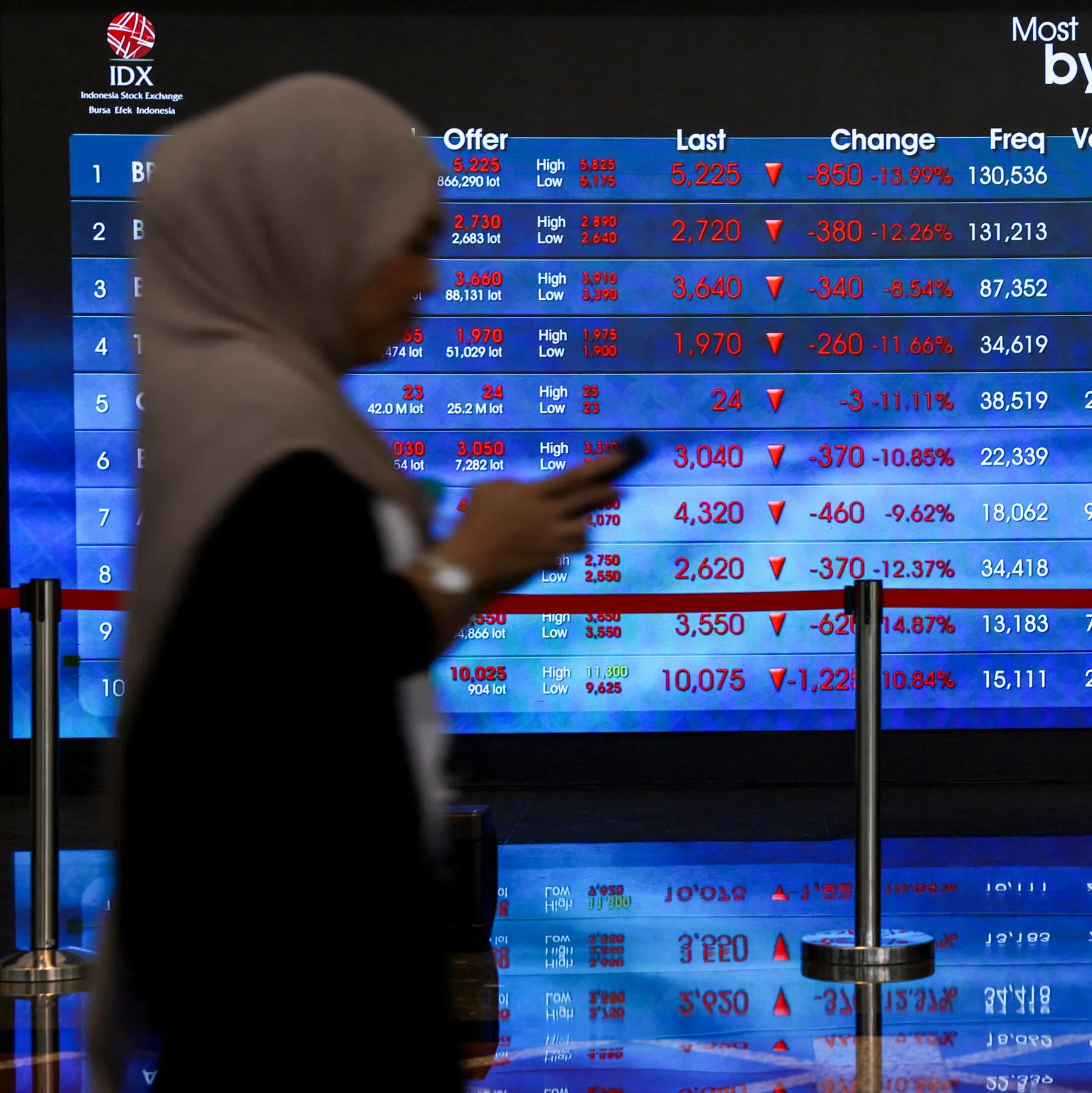
On October 15, 2026, MSCI initiated a public consultation regarding Indonesia's market classification, proposing a shift to standalone status. This decision was driven by ongoing issues related to market dysfunction, including a lack of transparency in shareholding structures and suspected coordinated trading practices. The following day, the Jakarta Composite Index (JCI) opened down approximately 8%, triggering a trading halt before closing down 11.57%. This marked the steepest single-day decline since January 1998, reflecting deep investor concerns.
The Indonesian rupiah also weakened significantly, trading at around 18,070 per U.S. dollar. MSCI's statement indicated that the continued classification of Indonesia as an emerging market was no longer appropriate, leading to a consultation period that extends until April 2027, with a final decision expected by June 2027. This potential reclassification could remove Indonesia from major global indexes, which track trillions in assets, further isolating it from international capital flows.
The aftermath of this announcement has been tumultuous. Indonesian regulators have announced sanctions related to trading in three firms, while market participants, including portfolio managers, expressed surprise at the speed and severity of MSCI's proposal. The market's reaction has been swift, with passive fund outflows estimated between $3 billion and $6 billion, and additional active investor withdrawals likely. The JCI's year-to-date losses of nearly 40% position it as one of the worst-performing markets globally, raising alarms about the overall health of Indonesia's economy.
This situation underscores the fragility of investor confidence in emerging markets, particularly in Indonesia, where economic policies under President Prabowo Subianto have come under scrutiny. The combination of regulatory challenges and market volatility creates a precarious environment for both domestic and international investors.
Who feels it first (and how)
- Institutional investors: Likely to experience immediate portfolio revaluations and potential losses.
- Retail investors: May face significant declines in their investment values, leading to reduced consumer confidence.
- Indonesian companies: Particularly those reliant on foreign investment may struggle to attract capital.
- Regional markets: Investors in neighboring countries could see indirect effects through fund reallocations.
What to watch next
- MSCI's final decision: The outcome of the consultation in June 2027 will be crucial for Indonesia's market status and investor sentiment.
- Regulatory responses: Watch for further actions from Indonesian regulators aimed at restoring market confidence and transparency.
- Economic policy shifts: Any changes in President Prabowo Subianto's administration could impact market stability and investor perceptions.
Indonesian stocks experienced an 11.57% decline on October 16, 2026.
Continued market volatility and potential further declines in investor confidence.
The long-term implications of MSCI's reclassification on Indonesia's economy and its attractiveness to foreign investors.
Frequently Asked Questions
- Why it matters?
- This significant market shift raises concerns about the stability and transparency of emerging markets, affecting global investment strategies.
- What happened (in 30 seconds)?
- Indonesian stocks fell 11.57% on October 16, 2026, marking the largest single-day drop since the 1998 Asian financial crisis. MSCI announced a consultation to reclassify Indonesia from emerging-market to standalone status, citing severe market dysfunction. Investor confidence plummeted, with passive fund outflows estimated between $3 billion and $6 billion.
- What's really happening?
- On October 15, 2026, MSCI initiated a public consultation regarding Indonesia's market classification, proposing a shift to standalone status. This decision was driven by ongoing issues related to market dysfunction, including a lack of transparency in shareholding structures and suspected coordinated trading practices. The following day, the Jakarta Composite Index (JCI) opened down approximately 8%, triggering a trading halt before closing down 11.57%. This marked the steepest single-day decli
- Who feels it first (and how)?
- Institutional investors: Likely to experience immediate portfolio revaluations and potential losses. Retail investors: May face significant declines in their investment values, leading to reduced consumer confidence. Indonesian companies: Particularly those reliant on foreign investment may struggle to attract capital. Regional markets: Investors in neighboring countries could see indirect effects through fund reallocations.
- What to watch next?
- MSCI's final decision: The outcome of the consultation in June 2027 will be crucial for Indonesia's market status and investor sentiment. Regulatory responses: Watch for further actions from Indonesian regulators aimed at restoring market confidence and transparency. Economic policy shifts: Any changes in President Prabowo Subianto's administration could impact market stability and investor perceptions.
Markets, economy, and company analysis from NYT’s business desk.
"The New York Times is a globally recognized newspaper offering authoritative reporting with a center-left editorial stance."
— A47 Editor
Indonesian Stocks Plunge as MSCI Threatens to Drop Market from Indexes
Indonesian stocks have plunged following a warning from MSCI about a potential downgrade to standalone market status, which could strip Indonesia of its emerging-market classification. This development has raised alarms among investors, reflecting a ...
Corporate finance news, M&A, deals, and executive interviews.
"Finance Monthly serves a professional readership with corporate finance coverage."
— A47 Editor
Indonesia Stocks Plunge as MSCI Downgrade Threatens $19bn in Outflows
Indonesian stocks experienced a dramatic decline of over 11% following a warning from MSCI regarding a potential downgrade of the country's equity market from emerging-market to standalone status. This marks the steepest one-day drop for the Jakarta ...
Global political, business, and cultural coverage from WSJ international desks.
"The Wall Street Journal offers extensive international reporting with a reputation for financial insight and a center-right editorial stance."
— A47 Editor
Indonesia Stocks Log Worst Day Since 1998 on MSCI Downgrade Warning
Indonesian stocks experienced their largest decline since the 1998 Asian financial crisis, following a warning from index provider MSCI about the potential removal of the country from its indexes. This significant drop reflects growing concerns over ...
Editor-curated FT homepage stories spanning markets, business, world, and opinion.
"The Financial Times is a globally respected business publication with a centrist/center-left tone and strong markets focus."
— A47 Editor
World’s worst-performing stock market hit by fresh MSCI warning
Indonesia's stock market, identified as the world's worst-performing, has received a fresh warning from MSCI, raising concerns about its investability and future status in global indexes. This warning follows MSCI's proposal to downgrade Indonesia to...
U.S. company headlines: M&A, product launches, legal/regulatory actions, and leadership moves.
"U.S.-centric corporate tape; good for tracking single-name catalysts."
— A47 Editor
MSCI proposes downgrading Indonesia to standalone market status
MSCI has proposed downgrading Indonesia to standalone market status, indicating that the country may no longer qualify for emerging-market classification. This potential change raises concerns about Indonesia's future inclusion in global stock indexe...
Global markets, investing, and macroeconomics from a premier financial newsroom.
"Bloomberg is respected for in-depth financial reporting and data-driven analysis."
— A47 Editor
Indonesia Stocks Sink Most in 28 Years on MSCI Downgrade Warning
Indonesian stocks experienced their most significant decline in 28 years following a warning from MSCI Inc. regarding the potential downgrade of Indonesia's emerging-market status, raising concerns about its removal from global indexes and the risk o...