
Bank of England Raises Bank Rate to 4% in First Increase Since 2023 as Energy-Driven Inflation Accelerates
Why it matters
The Bank of England's first rate increase in over three years signals that persistent external energy shocks are overriding domestic easing plans, forcing central banks to prioritize second-round inflation defenses over borrowing costs.
What happened (in 30 seconds)
- The policy shift: On November 5, 2026, the Monetary Policy Committee (MPC) voted 8–1 to lift the Bank Rate from 3.75% to 4%, marking the first upward rate adjustment since 2023.
- The primary driver: UK consumer inflation hit 3.5% in September, driven by sustained global energy costs resulting from the Middle East conflict entering its ninth month.
- The projected peak: Official Bank of England projections warn that without preemptive tightening, domestic inflation will reach approximately 4.9% by mid-2027 before returning toward target.
The context you actually need
- The reversal of easing expectations: Heading into the autumn of 2026, market participants expected monetary policy to stabilize at 3.75% after a cycle of disinflation, but oil supply disruptions derailed that trajectory.
- Divergence inside the room: The MPC's 8–1 vote featured one member pushing for a steeper 50-basis-point hike, signaling internal concern over pipeline price pressures and wage pass-through risks.
- A resilient domestic baseline: UK economic performance remained firmer than anticipated through the third quarter of 2026, giving policymakers room to hike without triggering an immediate structural contraction.
What's really happening
The Bank of England’s decision to lift the Bank Rate to 4% is an explicit reaction to the mechanics of supply-side inflation. When an external conflict disrupts energy logistics for three consecutive quarters, central banks face an uncomfortable structural dilemma: absorb elevated input prices and risk an ongoing wage-price spiral, or elevate the price of money to suppress secondary demand.
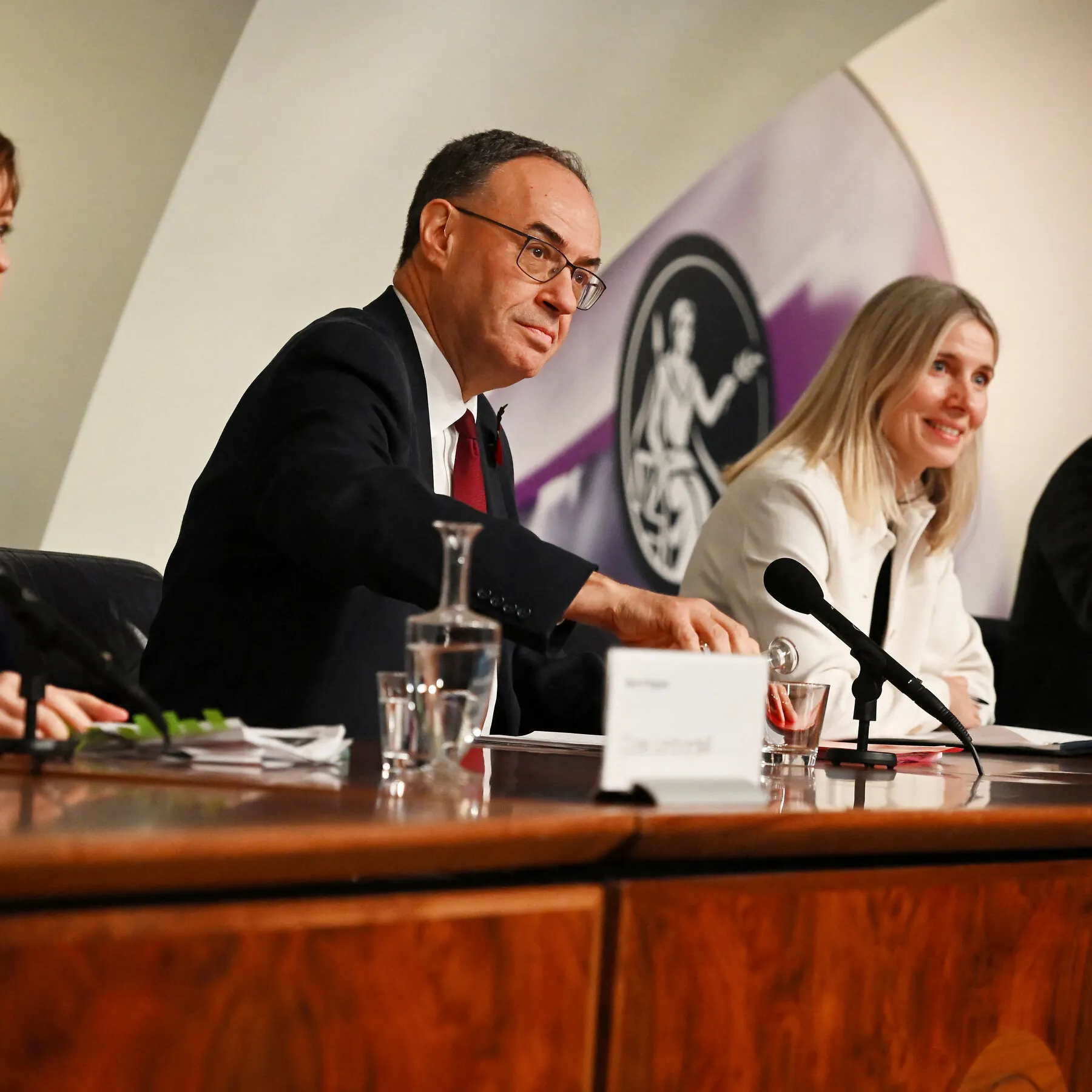
Governor Andrew Bailey and seven other committee members opted for the latter. The core problem is not merely that headline consumer prices printed at 3.5% in September. The operational threat is the forward projection: internal MPC modeling shows consumer inflation climbing to 4.9% by mid-2027 if policy remains neutral. Energy inflation does not stay confined to utility contracts or industrial fuel imports. In an economy operating with minimal slack, elevated fuel bills pass directly into transport logistics, commercial overhead, service contracts, and eventual wage negotiations. Once those second-round effects settle into domestic contracts, removing them requires far more restrictive interest rates.
By hiking 25 basis points now, the MPC is attempting to manage inflation expectations before corporate balance sheets adjust their mid-term pricing models. The policy incentive is clear: central bank credibility hinges on preventing 3.5% inflation from solidifying into a multi-year 5% baseline. While one external member, Catherine Mann, advocated for a 0.5 percentage point increase to shock expectations immediately, the majority selected an incremental adjustment to gauge whether energy markets stabilize before the next scheduled vote on December 17, 2026.
This mechanism reverberates directly across international balance sheets. For global operators, capital is strictly relative. When sterling baseline yields sit at 4%, debt pricing resets across all linked instruments. Commercial banks must re-evaluate their risk-adjusted margins, corporate borrowers face steeper refinancing hurdles, and liquid capital recalibrates between London assets and dollar-pegged investments. The central bank has signaled that this is not necessarily the start of an extended hiking regime, but it remains entirely contingent on the trajectory of global energy prices.
Who feels it first (and how)
- UK residential and commercial borrowers: Floating-rate borrowers and those refinancing fixed terms absorb immediate 25-basis-point expansions in their debt service ratios.
- Overseas property investors in Dubai and the Gulf: Gulf-based individuals holding buy-to-let portfolios or high-value residential assets in London face direct margin compression as UK mortgage financing costs increase.
- Corporate treasury teams with sterling liabilities: Finance leaders must provision for elevated short-term funding costs and reassess their cash-management allocations ahead of the December MPC decision.
- Energy-intensive UK industrial sectors: Transport, manufacturing, and distribution operators carry the double burden of high headline fuel bills alongside increased working capital finance costs.
What to watch next
- The December 17 MPC vote: Pay attention to whether the committee initiates back-to-back increases; pricing indicates markets are already hedging against a follow-up 25-basis-point hike.
- Middle East energy supply corridors: Because the Bank explicitly conditioned policy on global oil stability, any easing or escalation in regional maritime and pipeline disruptions directly dictates the UK rate trajectory.
- Third-quarter UK wage data: Watch whether private-sector pay settlements accelerate in response to September's 3.5% inflation print, as wage persistence is the key trigger for additional tightening.
The Bank of England raised the Bank Rate to 4% on November 5, 2026, following an 8–1 committee vote, responding to 3.5% inflation and sustained energy price increases.
Borrowing costs across UK commercial and retail banking will reprice upward prior to the December 17 meeting, while markets continue to price in an additional hike before early 2027.
Whether inflation will actually crest at the projected 4.9% mark by mid-2027, or if an early resolution to the regional energy supply conflict will allow the MPC to pause its cycle.
Frequently Asked Questions
- Why it matters?
- The Bank of England's first rate increase in over three years signals that persistent external energy shocks are overriding domestic easing plans, forcing central banks to prioritize second-round inflation defenses over borrowing costs.
- What happened (in 30 seconds)?
- The policy shift: On November 5, 2026, the Monetary Policy Committee (MPC) voted 8–1 to lift the Bank Rate from 3.75% to 4%, marking the first upward rate adjustment since 2023. The primary driver: UK consumer inflation hit 3.5% in September, driven by sustained global energy costs resulting from the Middle East conflict entering its ninth month. The projected peak: Official Bank of England projections warn that without preemptive tightening, domestic inflation will reach approximately 4.9% by m
- What's really happening?
- The Bank of England’s decision to lift the Bank Rate to 4% is an explicit reaction to the mechanics of supply-side inflation. When an external conflict disrupts energy logistics for three consecutive quarters, central banks face an uncomfortable structural dilemma: absorb elevated input prices and risk an ongoing wage-price spiral, or elevate the price of money to suppress secondary demand. Governor Andrew Bailey and seven other committee members opted for the latter. The core problem is not m
- Who feels it first (and how)?
- UK residential and commercial borrowers: Floating-rate borrowers and those refinancing fixed terms absorb immediate 25-basis-point expansions in their debt service ratios. Overseas property investors in Dubai and the Gulf: Gulf-based individuals holding buy-to-let portfolios or high-value residential assets in London face direct margin compression as UK mortgage financing costs increase. Corporate treasury teams with sterling liabilities: Finance leaders must provision for elevated short-term fu
- What to watch next?
- The December 17 MPC vote: Pay attention to whether the committee initiates back-to-back increases; pricing indicates markets are already hedging against a follow-up 25-basis-point hike. Middle East energy supply corridors: Because the Bank explicitly conditioned policy on global oil stability, any easing or escalation in regional maritime and pipeline disruptions directly dictates the UK rate trajectory. Third-quarter UK wage data: Watch whether private-sector pay settlements accelerate in respo
UK and international business news, economics, and corporate coverage.
"The Guardian’s business section covers finance and markets with a progressive editorial tone."
— A47 Editor
Bank of England raises interest rates to 4%, the first increase for more than three years
The Bank of England raised its base rate from 3.75% to 4% on November 5, its first increase in more than three years, with eight of nine Monetary Policy Committee members voting for the rise while Catherine Mann preferred a half-point increase. The d...
International coverage from The Guardian's global desks.
"The Guardian is known for its progressive editorial stance and in-depth analysis."
— A47 Editor
Bank of England raises interest rates to 4%, the first increase for more than three years
The Bank of England raised its base rate from 3.75% to 4% on November 5, its first increase in more than three years, with eight of nine Monetary Policy Committee members voting for the rise while Catherine Mann preferred a half-point increase. The d...
Markets, economy, and company analysis from NYT’s business desk.
"The New York Times is a globally recognized newspaper offering authoritative reporting with a center-left editorial stance."
— A47 Editor
Bank of England Raises Rates for First Time in Three Years
The Bank of England raised its benchmark interest rate by a quarter point, from 3.75% to 4%, marking its first increase in more than three years, and warned that inflation would climb to about 5 percent next year, well above its target.
Major U.S. developments and regional news.
"ABC News delivers broad national coverage with a mainstream editorial stance, focusing on accessibility and balanced reporting."
— A47 Editor
Bank of England raises main interest rate a quarter point to 4% as Iran war stokes inflation
The Bank of England raised its main interest rate by a quarter point to 4%, according to ABC News, as the Iran war has contributed to rising inflation pressures.
Global political, business, and cultural coverage from WSJ international desks.
"The Wall Street Journal offers extensive international reporting with a reputation for financial insight and a center-right editorial stance."
— A47 Editor
Bank of England Raises Rates for First Time Since Start of Iran War
The Bank of England raised its key interest rate for the first time since the start of the Iran war, joining other major central banks that have tightened policy in response to the conflict's effect on energy prices. Energy costs have eased since the...
Social/economic commentary and analysis relevant to business and markets.
"WSJ blends data-driven economic insight with commentary on policy and society."
— A47 Editor
The Bank of England raised its key interest rate Thursday for the first time since the war U.S.-Iran sent oil prices soaring
The Bank of England raised its benchmark interest rate by a quarter point, from 3.75% to 4%, on Thursday, its first increase in more than three years and its first move since the U.S.-Iran conflict sent oil prices soaring. The decision had been widel...