
Israel 2026 Election Produces Parliamentary Stalemate as Netanyahu and Eisenkot Blocs Fall Short of 61-Seat Majority
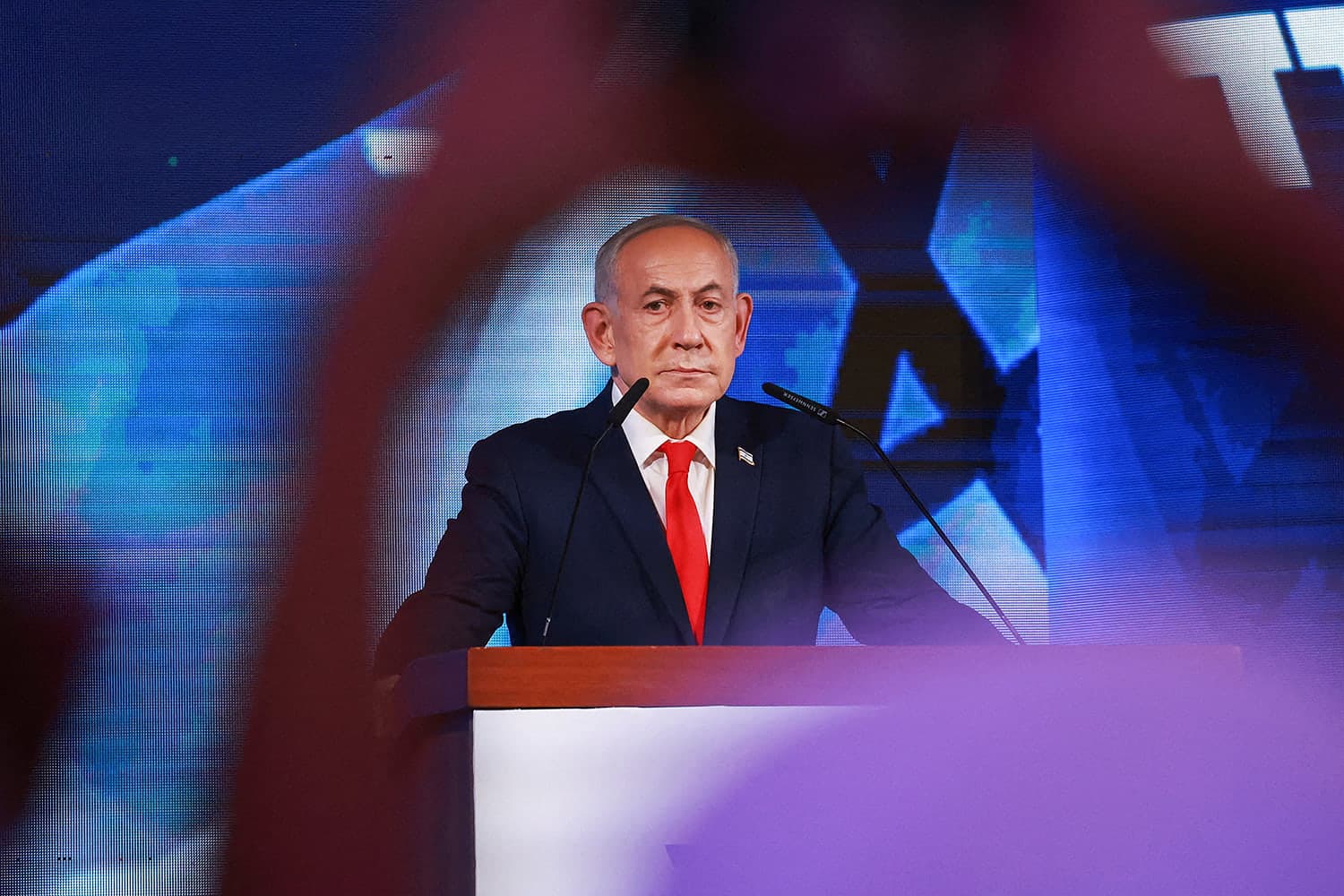
Why it matters
A divided 120-seat Knesset leaves both primary contenders short of the 61-seat threshold, shifting political leverage to external blocs and setting up extended institutional bargaining.
What happened (in 30 seconds)
- The vote concluded without an outright majority: Final tallies released on October 29, 2026, confirmed Benjamin Netanyahu's right-wing bloc secured 53 seats, while Gadi Eisenkot's rival bloc reached 48 seats.
- Arab-led parties reached a record representation: Arab-led parties (Ra'am and the Joint List) secured 19 seats amid elevated voter turnout, establishing themselves as numerical kingmakers despite prior political isolation.
- Neither primary candidate holds a clear path: Both major blocs publicly ruled out formal partnerships with Arab parties during the campaign, leaving both leaders without an immediate mechanism to claim a 61-seat governing mandate.
The context you actually need
- A marked decline from prior governing margins: The election followed continuous political instability under Netanyahu’s previous administration, which previously held a peak working majority of 68 seats.
- Campaign dynamics focused on stability and security: The October 27 vote was dominated by voter concerns over long-term domestic security, baseline economic conditions, and allegations surrounding foreign interference targeting Arab factions.
- The formal procedural calendar now dictates the pace: With the Central Elections Committee completing the vote tally, official certification must be submitted to President Isaac Herzog before formal party consultations and nomination mandates can begin.
What's really happening
The mechanics of Israel’s 120-seat parliamentary system mean that governance is entirely a function of threshold arithmetic. A workable administration demands 61 seats. When Benjamin Netanyahu’s right-wing alliance closed at 53 seats—eight seats short of that baseline—and Gadi Eisenkot’s bloc captured 48 seats, the system entered an institutional impasse dictated by prior commitments.
The core structural tension lies in the distribution of the remaining seats. Arab-led parties, comprising Ra'am and the Joint List, secured 19 seats—a historical high driven by substantial voter participation. Under standard legislative mathematics, this 19-seat bloc holds the exact balance of power required to put either major faction over the finish line. However, during the race, both Netanyahu and Eisenkot explicitly excluded these parties from potential coalition arrangements. This hard constraint locks both leaders out of an obvious mathematical path to 61 seats unless existing party pledges are broken or cross-bloc defections occur.
From an incentive standpoint, both leaders must now project stability while quietly exploring unconventional alignments. Netanyahu’s party, Likud, claimed 27 seats of his bloc's 53-seat total, giving him the relative plurality among individual party brands. Eisenkot, leading the Yashar list within a 48-seat constellation, faces the challenge of uniting disparate opposition factions without relying on the Arab-led lists he pledged to avoid. Because both figures have staked public political capital on excluding these 19 seats, the cost of reversing that stance in open negotiations carries immediate base-retention risks.
Consequently, leverage shifts to peripheral actors and state arbiters. President Isaac Herzog holds the constitutional prerogative to determine which candidate receives the primary mandate to build a government. Herzog’s upcoming consultations with party leaders represent the real operational battlefield: parties will weigh the legal and political risk of entering another potential election cycle against the policy concessions they can extract in exchange for supporting a minority government, a national unity framework, or an ad-hoc confidence arrangement. Until certification occurs and formal consultations conclude, legislative activity remains paused, freezing policy execution across state institutions.
Who feels it first (and how)
- Coalition negotiators and party whips: Face intense pressure to identify defectors or construct confidence-and-supply frameworks without violating publicly stated campaign exclusions.
- Domestic public sector leadership: Sits in administrative stasis as long-term national budget planning and major regulatory directives remain on hold pending cabinet formation.
- Regional and international enterprise analysts: Must price in extended policy continuity without decisive legislative shifts, watching certification dates rather than executive decrees.
- Arab party leadership: Holds unprecedented numerical weight in the Knesset while navigating institutional exclusion from formal executive participation.
What to watch next
- Presidential certification and party consultations: President Herzog's formal meetings with party delegations will reveal whether any faction breaks ranks to recommend Netanyahu or Eisenkot for the initial mandate.
- Public stance revisions on external support: Watch for softened rhetoric regarding outside confidence-and-supply agreements, which could allow a minority government to function without formal ministerial integration.
- Financial market stability indicators: While capital markets showed limited initial movement following the count, extended legislative paralysis may alter borrowing costs if budget deadlines approach without a seated government.
Netanyahu’s bloc secured 53 seats, Eisenkot’s bloc secured 48 seats, and Arab-led parties secured 19 seats in the final certified count.
The process of designating a prime ministerial candidate and running through standard negotiating periods will take several weeks following presidential consultations.
Whether either major bloc will reverse its campaign commitment to avoid relying on Arab parties, or if the country will ultimately be forced into another legislative election.
Frequently Asked Questions
- Why it matters?
- A divided 120-seat Knesset leaves both primary contenders short of the 61-seat threshold, shifting political leverage to external blocs and setting up extended institutional bargaining.
- What happened (in 30 seconds)?
- The vote concluded without an outright majority: Final tallies released on October 29, 2026, confirmed Benjamin Netanyahu's right-wing bloc secured 53 seats, while Gadi Eisenkot's rival bloc reached 48 seats. Arab-led parties reached a record representation: Arab-led parties (Ra'am and the Joint List) secured 19 seats amid elevated voter turnout, establishing themselves as numerical kingmakers despite prior political isolation. Neither primary candidate holds a clear path: Both major blocs publi
- What's really happening?
- The mechanics of Israel’s 120-seat parliamentary system mean that governance is entirely a function of threshold arithmetic. A workable administration demands 61 seats. When Benjamin Netanyahu’s right-wing alliance closed at 53 seats—eight seats short of that baseline—and Gadi Eisenkot’s bloc captured 48 seats, the system entered an institutional impasse dictated by prior commitments. The core structural tension lies in the distribution of the remaining seats. Arab-led parties, comprising Ra'am
- Who feels it first (and how)?
- Coalition negotiators and party whips: Face intense pressure to identify defectors or construct confidence-and-supply frameworks without violating publicly stated campaign exclusions. Domestic public sector leadership: Sits in administrative stasis as long-term national budget planning and major regulatory directives remain on hold pending cabinet formation. Regional and international enterprise analysts: Must price in extended policy continuity without decisive legislative shifts, watching cert
- What to watch next?
- Presidential certification and party consultations: President Herzog's formal meetings with party delegations will reveal whether any faction breaks ranks to recommend Netanyahu or Eisenkot for the initial mandate. Public stance revisions on external support: Watch for softened rhetoric regarding outside confidence-and-supply agreements, which could allow a minority government to function without formal ministerial integration. Financial market stability indicators: While capital markets showed
UAE-based newspaper covering Gulf politics, society, and international developments.
"Gulf News is one of the UAE’s most prominent English-language publications."
— A47 Editor
Fear and frustration drive historic Arab vote in Israel
Israel's October 27, 2026 general election, the first national vote since the October 7, 2023 Hamas attacks, saw record turnout among Palestinian citizens of Israel, reported at around 80 percent, as voters expressed fear and frustration amid the pol...
A curated Gulf News feed featuring major stories across news, business, opinion, and lifestyle.
"Gulf News is a major UAE newspaper whose featured stories feed reflects a broad editorial mix shaped for a Gulf audience."
— A47 Editor
Fear and frustration drive historic Arab vote in Israel
Israel's October 27, 2026 general election, the first national vote since the October 7, 2023 Hamas attacks, saw record turnout among Palestinian citizens of Israel, reported at around 80 percent, as voters expressed fear and frustration amid the pol...
English-language reporting on Saudi politics, policy, and society.
"Saudi Gazette reflects mainstream Saudi institutional perspectives."
— A47 Editor
Netanyahu accused of demonizing Israel's Arab population to 'delegitimize' election
Israeli opposition leaders have denounced Prime Minister Benjamin Netanyahu for amplifying unsubstantiated claims that Arab-led parties "stole" the October 27 election, potentially with foreign help, as final results showed his Likud bloc had lost it...
Corporate leadership, finance, technology, and market trends.
"Fortune covers financial trends, leadership, and innovation with a pragmatic editorial approach."
— A47 Editor
Weakened Netanyahu spreads claims of malfeasance by Arab-led parties as his party claims Israel’s election was ‘stolen’
Netanyahu's Likud party has accused foreign entities of stealing Israel's election after high turnout among Palestinian citizens of Israel prevented an outright victory for the premier, while the opposition accused him of demonizing the Arab populati...
UAE-based English-language newspaper covering regional politics, economics, and global affairs.
"The National reflects Emirati policy perspectives while maintaining international editorial standards."
— A47 Editor
Israel’s Arab voters deserve a place at the table
Israel's October 27, 2026 general election, the first national vote since the October 7, 2023 Hamas attacks, drew record turnout, with Palestinian citizens of Israel reported at around 80 percent, and early counts showed no clear winner. The base cov...
Regional coverage and analysis focused on politics, diplomacy, and business across the Middle East.
"Al-Monitor is known for analytical reporting on Middle East politics and policy developments."
— A47 Editor
Netanyahu bloc finishes ahead in Israel vote, but well short of majority
Israeli Prime Minister Benjamin Netanyahu's bloc finished ahead in the October 27, 2026 general election, the first national vote since the October 7, 2023 Hamas attacks, but fell eight seats short of the 61-seat Knesset majority needed to govern, ac...
National headlines across the United States including breaking stories and societal issues.
"NBC News is a mainstream media outlet known for comprehensive national and international news coverage with a centrist to slightly left-leaning editorial tone."
— A47 Editor
Israel’s final election results show neither Netanyahu nor rival can immediately form government
Israel's final election results, from the vote held October 27, 2026, show neither Prime Minister Benjamin Netanyahu nor his rival can immediately form a government, as parties led by Israel's Arab minority made historic gains, winning a combined 19 ...
Comprehensive coverage of global events, politics, and international issues.
"NBC News is a mainstream outlet known for comprehensive national and international coverage with a centrist to slightly left-leaning editorial tone."
— A47 Editor
Israel’s final election results show neither Netanyahu nor rival can immediately form government
Israel's final election results, from the vote held October 27, 2026, show neither Prime Minister Benjamin Netanyahu nor his rival can immediately form a government, as parties led by Israel's Arab minority made historic gains, winning a combined 19 ...