
Israel Election 2026 Produces Hung Knesset as Record Arab Party Seats Emerge as Kingmakers
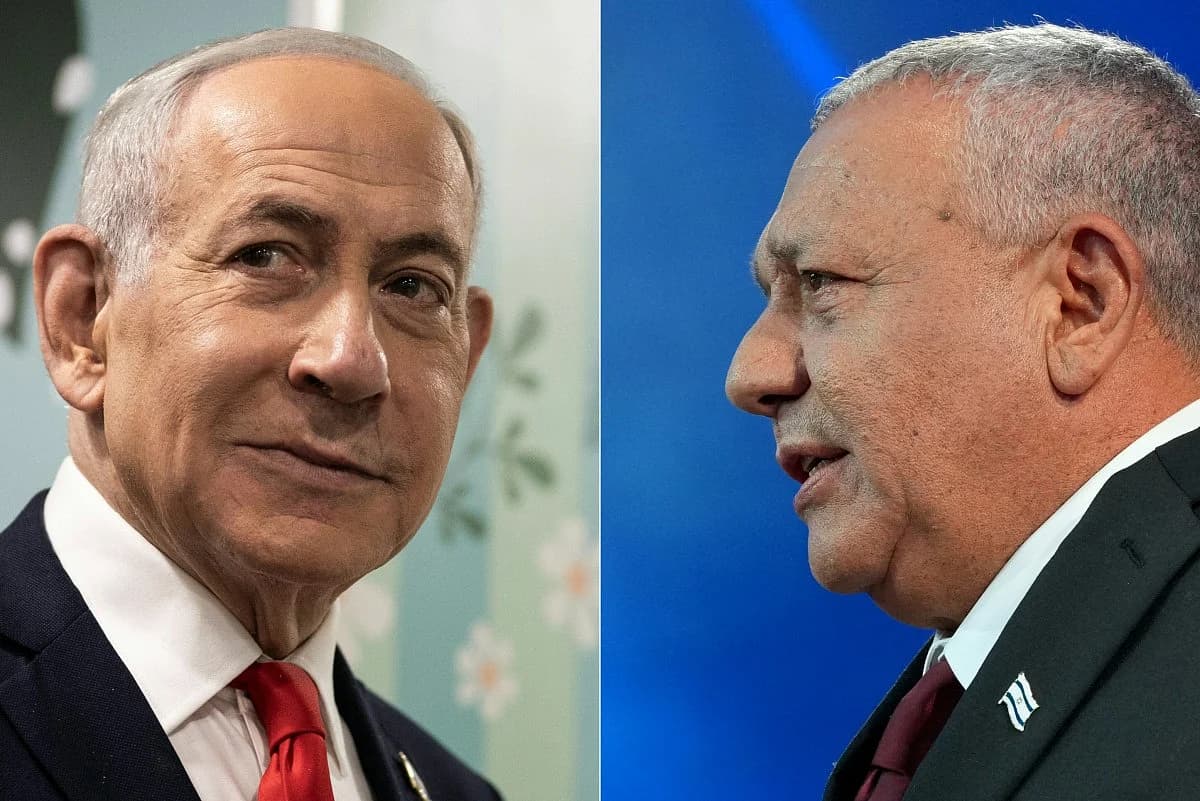
Sustained parliamentary gridlock in Jerusalem combined with $114-per-barrel crude pressures regional corporate margins, increases supply chain transit expenses, and drives up operating costs across logistics hubs.
Why it matters
A fractured Knesset without a functional majority intersects with elevated energy benchmarks and maritime transit friction, introducing structural cost volatility into international commercial planning.
What happened (in 30 seconds)
- A hung parliament emerged: With 85.6 percent of ballots counted from the October 27, 2026 election, Prime Minister Benjamin Netanyahu’s bloc secured 53 seats, falling short of the 61-seat threshold required to govern.
- Arab representation reached parity: Arab political factions, running across the reunified Joint List under Yousef Jabareen and Ra'am under Mansour Abbas, secured a record 19 seats amid voter turnout approaching 80 percent.
- Energy benchmarks remained elevated: Brent crude hovered between $114 and $115 per barrel, driven by prolonged coalition uncertainty and security risks surrounding the Strait of Hormuz.
The context you actually need
- The mathematical arithmetic of the Knesset: An opposition bloc led by Gadi Eisenkot captured 48 seats, leaving neither traditional political faction capable of assembling a 61-seat majority without external party agreements.
- A shifting domestic baseline: The electoral dynamic followed domestic pressures stemming from security concerns, community safety demands, and institutional responses to the events of October 7, 2023.
- Geopolitical supply vulnerabilities: Stalled diplomatic negotiations involving the United States and Iran, alongside trade transit warnings in critical waterways, kept West Texas Intermediate at $101.45 and Brent at $114.14.
What's really happening
The underlying reality of this election is structural deadlock driven by rigid political incentives. The Knesset comprises 120 seats, requiring any viable executive coalition to command at least 61 votes. Following the tally of 85.6 percent of ballots, the incumbent Likud-led bloc stands at 53 seats, while Gadi Eisenkot’s opposition alliance holds 48 seats. The decisive pivot rests with the 19 seats controlled by Arab parties—comprising the Joint List and Ra'am.
Because both traditional Zionist voting blocs face internal vetos against entering a formalized governing partnership with Arab factions, standard coalition mechanisms are stalled. Arab leadership has conditioned potential external legislative backing for an anti-Netanyahu minority government on targeted institutional measures, including the formation of an official commission of inquiry into October 7 and policy shifts addressing domestic community security. However, institutional parties within the 48-seat opposition bloc face opposing constituent pressures that complicate reliance on external support.
This paralysis removes short-term clarity from regional governance. In legislative bodies characterized by sharp divisions, protracted coalition negotiations frequently delay standard budget approvals, diplomatic strategy alignments, and regulatory roadmaps. While Likud representatives raised allegations of electoral irregularities, official bodies documented no evidentiary basis for such claims.
Simultaneously, global markets are pricing in the cost of political ambiguity across the Middle East. Energy markets operate on risk premiums attached to critical infrastructure. With Brent crude trading at $114.14 per barrel and WTI holding above $101.45, commodities traders are calculating the compound risk of unresolved regional tensions, suspended U.S.-Iran discussions, and operational transit threats adjacent to the Strait of Hormuz.
For international enterprises operating out of commercial centers like Dubai, these dual dynamics translate directly into commercial balance sheets. High crude benchmarks function as an indirect operational tax: they lift container freight rates, escalate aviation fuel surcharges, and drive upward price revisions across regional supply chains. Regional producers continue routing volumes through bypass pipelines where possible, yet sustained volatility near the $115 level challenges bottom-line forecasts across transportation, manufacturing, and distribution networks.
Who feels it first (and how)
- Logistics and freight operators: Transport companies managing maritime cargo face elevated bunker fuel costs and insurance premiums linked to persistent regional transit risks.
- Corporate treasury departments: Chief financial officers in import-heavy jurisdictions must hedge against input cost inflation driven by crude prices above $114 per barrel.
- Regional commercial enterprises: Consumer goods and distribution businesses in trade hubs such as Dubai face rising fleet fuel outlays and higher landed goods costs.
- Infrastructure and sovereign debt teams: Public finance planners encounter shifting borrowing environments as elevated energy costs complicate regional macroeconomic stability.
What to watch next
- The coalition mandate timeline: Watch whether Eisenkot or Netanyahu receives the initial mandate from the presidency to build a government, which determines whether external support models are formally tested.
- Strait of Hormuz insurance metrics: Track maritime underwriting surcharges and cargo routing adjustments, which serve as direct indicators of shipping sector exposure to ongoing regional rhetoric.
- Oman and Qatar diplomatic channels: Monitor progress in mediation tracks hosted by Gulf intermediaries, which impact whether energy price volatility recedes or cements crude above $110.
The election resulted in a divided Knesset where Netanyahu's bloc holds 53 seats, Eisenkot's bloc holds 48 seats, and Arab parties hold 19 seats, leaving no single bloc with 61 seats.
Protracted negotiations will extend government formation across several weeks, leaving interim authorities to manage day-to-day governance while coalition partners navigate mutual vetos.
It remains uncertain whether Zionist opposition factions will accept outside legislative backing from Arab parties to establish an operational minority administration.
Frequently Asked Questions
- Why it matters?
- A fractured Knesset without a functional majority intersects with elevated energy benchmarks and maritime transit friction, introducing structural cost volatility into international commercial planning.
- What happened (in 30 seconds)?
- A hung parliament emerged: With 85.6 percent of ballots counted from the October 27, 2026 election, Prime Minister Benjamin Netanyahu’s bloc secured 53 seats, falling short of the 61-seat threshold required to govern. Arab representation reached parity: Arab political factions, running across the reunified Joint List under Yousef Jabareen and Ra'am under Mansour Abbas, secured a record 19 seats amid voter turnout approaching 80 percent. Energy benchmarks remained elevated: Brent crude hovered be
- What's really happening?
- The underlying reality of this election is structural deadlock driven by rigid political incentives. The Knesset comprises 120 seats, requiring any viable executive coalition to command at least 61 votes. Following the tally of 85.6 percent of ballots, the incumbent Likud-led bloc stands at 53 seats, while Gadi Eisenkot’s opposition alliance holds 48 seats. The decisive pivot rests with the 19 seats controlled by Arab parties—comprising the Joint List and Ra'am. Because both traditional Zionist
- Who feels it first (and how)?
- Logistics and freight operators: Transport companies managing maritime cargo face elevated bunker fuel costs and insurance premiums linked to persistent regional transit risks. Corporate treasury departments: Chief financial officers in import-heavy jurisdictions must hedge against input cost inflation driven by crude prices above $114 per barrel. Regional commercial enterprises: Consumer goods and distribution businesses in trade hubs such as Dubai face rising fleet fuel outlays and higher land
- What to watch next?
- The coalition mandate timeline: Watch whether Eisenkot or Netanyahu receives the initial mandate from the presidency to build a government, which determines whether external support models are formally tested. Strait of Hormuz insurance metrics: Track maritime underwriting surcharges and cargo routing adjustments, which serve as direct indicators of shipping sector exposure to ongoing regional rhetoric. Oman and Qatar diplomatic channels: Monitor progress in mediation tracks hosted by Gulf inter
UAE-based English-language newspaper covering regional politics, economics, and global affairs.
"The National reflects Emirati policy perspectives while maintaining international editorial standards."
— A47 Editor
Israeli parties begin coalition talks as Netanyahu's party collect most votes but no clear winner emerges
Israeli parties have begun coalition talks after the October 27, 2026 general election, the first national vote since the October 7, 2023 Hamas attacks. Prime Minister Benjamin Netanyahu's party, Likud, collected the most votes, but no party or bloc ...
UAE-based newspaper covering Gulf politics, society, and international developments.
"Gulf News is one of the UAE’s most prominent English-language publications."
— A47 Editor
Arab parties hold key to Israel vote as oil nears $115
Israelis went to the polls on October 27, 2026, in the first national general election since the October 7, 2023 Hamas attacks, with turnout among Palestinian citizens of Israel reported at around 80 percent. Early results showed no clear winner, and...
A curated Gulf News feed featuring major stories across news, business, opinion, and lifestyle.
"Gulf News is a major UAE newspaper whose featured stories feed reflects a broad editorial mix shaped for a Gulf audience."
— A47 Editor
Arab parties hold key to Israel vote as oil nears $115
Israelis went to the polls on October 27, 2026, in the first national general election since the October 7, 2023 Hamas attacks, with turnout among Palestinian citizens of Israel reported at around 80 percent. Early results showed no clear winner, and...
Coverage of political affairs and regional developments from a Saudi perspective.
"Al Watan political coverage typically follows a mainstream Saudi framing of regional and national issues."
— A47 Editor
نتنياهو يتقدم بلا حسم والعرب مفتاح الحكومة
Israel's election results did not give Benjamin Netanyahu a decisive victory, but left his camp with 53 seats against 48 for the bloc led by Gadi Eisenkot, with 85.6% of votes counted. The Likud remains the largest party with 26 seats, while the Arab...
UAE-based newspaper covering Gulf politics, society, and international developments.
"Gulf News is one of the UAE’s most prominent English-language publications."
— A47 Editor
Netanyahu bloc leads after half of Israeli votes counted but no majority
Netanyahu's bloc led after roughly half of Israeli votes were counted in the October 27, 2026 general election, but no bloc had reached the 61-seat majority needed to govern. The vote was the first national election since Hamas's October 7, 2023 atta...
A curated Gulf News feed featuring major stories across news, business, opinion, and lifestyle.
"Gulf News is a major UAE newspaper whose featured stories feed reflects a broad editorial mix shaped for a Gulf audience."
— A47 Editor
Netanyahu bloc leads after half of Israeli votes counted but no majority
Netanyahu's bloc led after roughly half of Israeli votes were counted in the October 27, 2026 general election, but no bloc had reached the 61-seat majority needed to govern. The vote was the first national election since Hamas's October 7, 2023 atta...