
OPEC+ Announces Symbolic Increase in Oil Production Amid Middle East Tensions
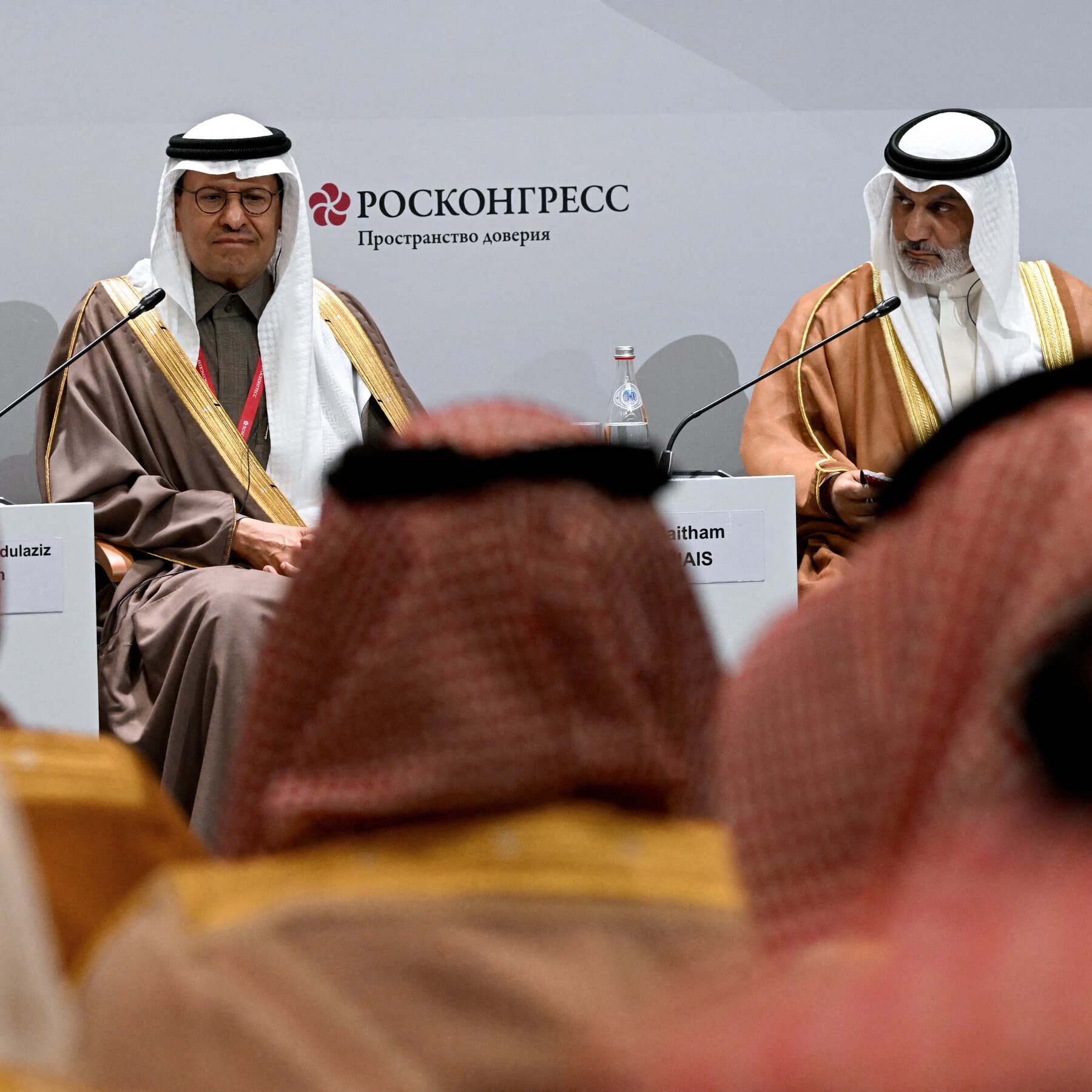
Here's what it means for you.
OPEC+ has decided to increase oil production quotas by 188,000 barrels per day for July, a move that may appear to signal stability in the oil market. However, this increase is largely symbolic due to the ongoing blockage of the Strait of Hormuz, a critical route for oil exports. As geopolitical tensions continue to disrupt actual export capabilities, the market may experience volatility despite OPEC+'s efforts to project confidence. The implications for global oil prices and supply chains are significant, as stakeholders will need to navigate these complexities. The situation underscores the challenges OPEC+ faces in balancing production increases with real-world limitations.
What happened
OPEC+ has announced an increase in oil output by 188,000 barrels per day for the month of July. This decision comes amid ongoing disruptions in the Middle East, particularly the blockage of the Strait of Hormuz, which is vital for oil exports. The increase is viewed as largely symbolic, given the current limitations on actual exports.
Despite the geopolitical tensions, OPEC+ has implemented several monthly output rises, reflecting its ongoing attempts to stabilize the oil market. The latest quota adjustment marks the fourth consecutive monthly rise by the cartel, indicating a persistent effort to manage production levels.
The Context
The Strait of Hormuz is a critical waterway through which a fifth of the world’s oil passes, making its blockage a significant concern for global oil markets. Ongoing conflicts in the region have led to these disruptions, complicating OPEC+'s ability to fully implement agreed output increases. Major members of the cartel are currently unable to capitalize on the new quotas due to these export challenges.
This situation highlights the delicate balance OPEC+ must maintain between responding to geopolitical realities and meeting market demands. As tensions persist, the cartel's strategies will be closely monitored by industry stakeholders and policymakers alike.
Takeaway
Looking ahead, the ongoing geopolitical situation in the Middle East may continue to challenge OPEC+'s ability to effectively manage oil production and prices. Developments in the region could significantly impact oil exports, and responses from global oil markets to OPEC+'s production decisions will be crucial to watch.
As the cartel navigates these complexities, further volatility in oil prices may be anticipated, making it essential for market participants to stay informed on both geopolitical and economic fronts.
U.S. business news, corporate developments, and economy.
"The Wall Street Journal is respected for deep financial and economic reporting with a center-right editorial perspective."
— A47 Editor
OPEC, Allies Pledge Oil-Output Hike Even as Middle East War Chokes Exports
OPEC and its allies have pledged to increase oil production, despite the ongoing war in the Middle East, which has severely disrupted exports through the Strait of Hormuz, a vital maritime route for global oil supply. This increase is seen as largely...
UAE-based English-language newspaper covering regional politics, economics, and global affairs.
"The National reflects Emirati policy perspectives while maintaining international editorial standards."
— A47 Editor
Opec+ agrees fourth monthly output rise despite Hormuz closure and price swings
OPEC+ has agreed to implement its fourth consecutive increase in oil production quotas, raising output by 206,000 barrels per day, despite ongoing tensions and closures in the Strait of Hormuz. This decision reflects the organization's commitment to ...
Markets, economy, and company analysis from NYT’s business desk.
"The New York Times is a globally recognized newspaper offering authoritative reporting with a center-left editorial stance."
— A47 Editor
OPEC Plus to Boost Oil Production as Ceasefire in Iran Remains Elusive
OPEC Plus has announced an increase in oil production by 188,000 barrels per day, a move that appears largely symbolic given the ongoing crisis in the Strait of Hormuz, which has effectively shut down a critical oil transit route. The announcement wa...
Global markets, investing, and macroeconomics from a premier financial newsroom.
"Bloomberg is respected for in-depth financial reporting and data-driven analysis."
— A47 Editor
OPEC+ Agrees Another Symbolic Quota Increase for July
OPEC+ has agreed to a modest symbolic increase in oil output quotas for July, despite significant challenges in implementing these changes due to ongoing export blockages from the Persian Gulf. This decision reflects the organization's ongoing effort...