
OpenAI launches GPT-Live voice model for real-time AI interaction
Here's what it means for you.
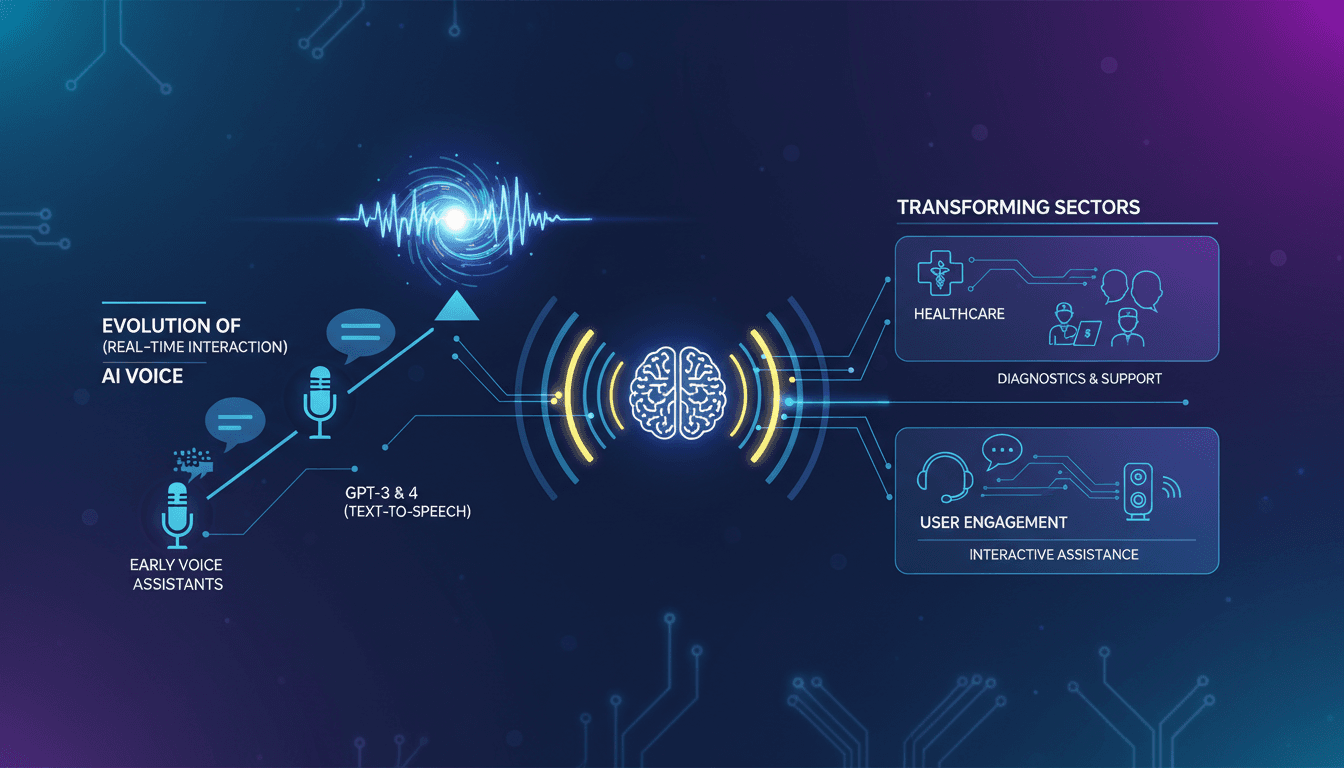
The launch of GPT-Live marks a significant advancement in AI technology, particularly in enhancing user interaction. This development is poised to transform how businesses and healthcare providers engage with AI, making conversations more intuitive and human-like. As OpenAI continues to refine its voice capabilities, the implications for user experience and engagement across various sectors are profound. The introduction of GPT-Live could lead to increased adoption of AI tools in professional settings, where effective communication is crucial. This shift may also prompt competitors to innovate in voice technology, further accelerating advancements in the field.
What happened
OpenAI has officially launched GPT-Live, a new voice model that allows ChatGPT to engage in real-time conversations. This model enables simultaneous listening and speaking, enhancing the overall user interaction experience. The launch took place on July 8, 2026, and includes two versions: GPT-Live-1 and GPT-Live-1 mini, catering to different user needs.
This update aims to address previous criticisms regarding the AI's voice capabilities, making conversations feel more natural and human-like. By improving the accuracy of ChatGPT for health-related inquiries, OpenAI is positioning itself to better serve the healthcare sector.
The Context
OpenAI has been actively developing products tailored for the healthcare sector, recognizing the importance of effective communication in this field. The introduction of GPT-Live is part of a broader strategy to enhance user experience and engagement, particularly in conversational contexts. Previous iterations of ChatGPT's voice assistant faced criticism for lacking the human-like interaction that users expect.
The timing of this launch is critical as the demand for more sophisticated AI tools continues to grow. By focusing on real-time voice interaction, OpenAI is addressing a key area of user feedback and setting a new standard for AI communication.
Takeaway
The advancements in voice interaction technology with GPT-Live could significantly change how users engage with AI across various sectors. As OpenAI continues to refine its voice technology, we can expect to see more intuitive and effective AI interactions, particularly in healthcare.
Monitoring user feedback on the new voice capabilities will be essential in understanding the model's impact. Additionally, further developments in AI applications in healthcare are likely to emerge as organizations seek to leverage these advancements for improved patient engagement.
Business and tech news excluding paywalled content.
"High-volume business/tech outlet with frequent AI coverage."
— A47 Editor
OpenAI's new voice model wants you to talk over it
OpenAI has introduced a new voice model for ChatGPT, aiming to enhance user interaction by allowing the AI to acknowledge users as they speak and slow down its responses upon request. This update is designed to make conversations with the AI feel mor...
Opinionated AI coverage for general audiences.
"TNW’s AI vertical covering tools, ethics, and trends."
— A47 Editor
OpenAI’s new GPT-Live lets ChatGPT listen and speak at the same time
OpenAI has launched GPT-Live, a new generation of voice models for ChatGPT, enabling the AI to listen and speak simultaneously, enhancing the conversational experience for users. This launch includes two versions, GPT-Live-1 and a smaller GPT-Live-1 ...
Business, investment, entrepreneurship, leadership, and innovation.
"Forbes is known for its coverage of business leaders, market trends, and entrepreneurial ventures with a pro-business editorial stance."
— A47 Editor
How OpenAI Plans To Win Over Doctors, Patients And Hospitals
OpenAI is intensifying its focus on the healthcare sector by launching three new products in the past six months, aiming to enhance the accuracy of ChatGPT for health-related inquiries. This initiative is crucial as millions of users currently rely o...