
Saudi Supertankers Transit Strait of Hormuz After U.S.-Iran Peace Deal
Here's what it means for you.
The recent transit of three Saudi-flagged supertankers through the Strait of Hormuz signifies a potential shift in Middle Eastern geopolitics, particularly in U.S.-Iran relations. This development could lead to a more stable environment for global oil supplies, which have been under strain due to ongoing tensions in the region. Stakeholders in energy markets should monitor these changes closely, as they may influence pricing and supply dynamics. The successful passage of these tankers may also encourage further diplomatic efforts in the region, impacting not only oil markets but also broader international relations. As the situation unfolds, the implications for policy and market stability will be significant.
What happened
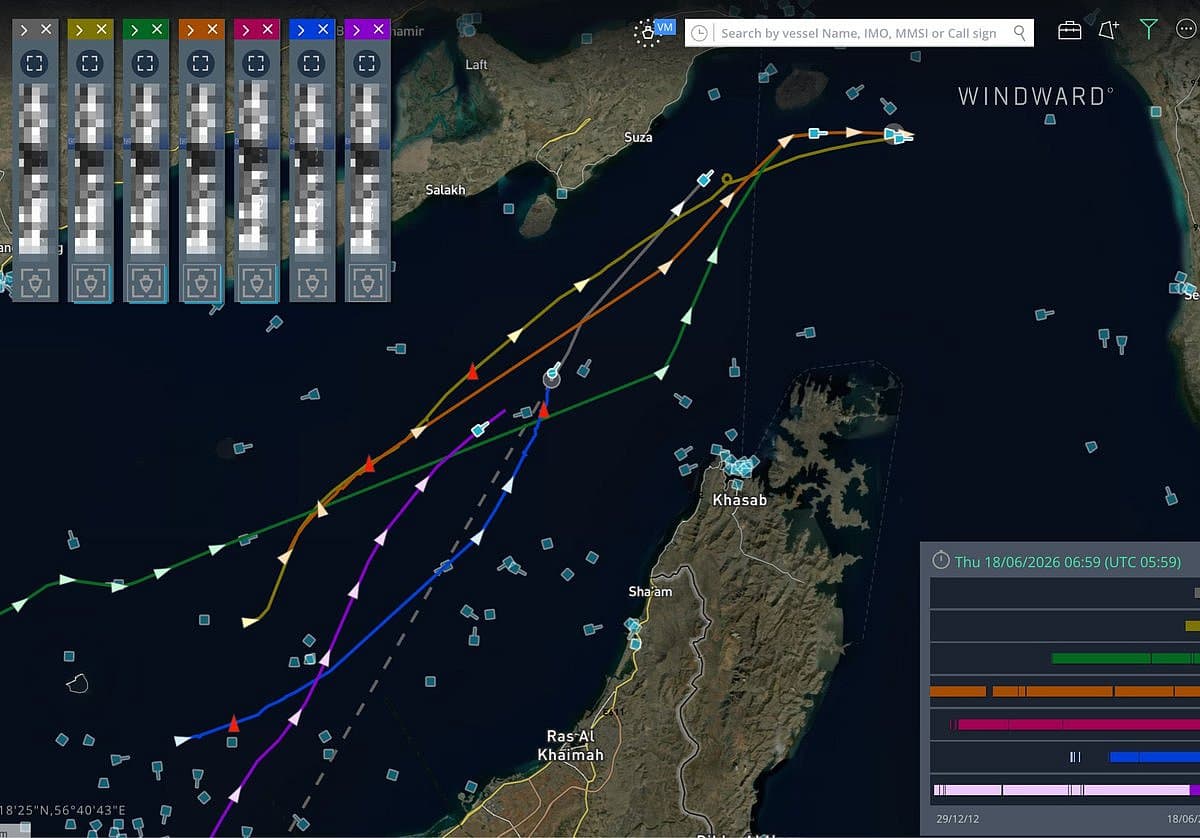
Three Saudi-flagged supertankers carrying a total of six million barrels of crude oil transited the Strait of Hormuz shortly after a peace deal was signed between the U.S. and Iran. This marked the largest movement of tankers through the strait in weeks, highlighting a notable moment in the ongoing tensions in the region. The sailings occurred just hours after the U.S. President signed the Iran deal, indicating a swift response to the new diplomatic landscape.
The tankers departed from Saudi ports, showcasing the strategic importance of the Strait of Hormuz as a critical chokepoint for global oil supplies. This event underscores the potential for easing tensions that have historically affected energy markets.
The Context
The Strait of Hormuz is a vital passage for oil shipments, with a significant portion of the world's crude oil passing through this narrow waterway. The recent U.S.-Iran peace agreement aims to resolve a long-standing conflict that has had far-reaching implications for energy markets and regional stability. The successful transit of these supertankers may reflect a broader shift towards improved relations between the U.S. and Iran, which could alter the geopolitical landscape in the Middle East.
As the international community watches closely, the reactions from other regional players, particularly Israel and Gulf states, will be crucial in determining the future dynamics of the area. The timing of this event, occurring immediately after the peace deal, suggests a potential thaw in relations that could benefit global energy markets.
Takeaway
The transit of these supertankers may signal a new phase in U.S.-Iran relations, with implications for regional stability and global oil supplies. As the situation evolves, further shipping movements through the Strait of Hormuz will be critical to monitor. Observers should also pay attention to the responses from other regional stakeholders, as their reactions could influence the trajectory of this diplomatic breakthrough.
In the coming weeks, the international community will be keenly focused on how these developments affect not only oil markets but also broader geopolitical relations in the Middle East.
Regional coverage and analysis focused on politics, diplomacy, and business across the Middle East.
"Al-Monitor is known for analytical reporting on Middle East politics and policy developments."
— A47 Editor
First tankers cross strait after Iran deal; Israeli strikes stir doubt in Lebanon
Three Saudi-flagged supertankers carrying 6 million barrels of crude oil successfully navigated the Strait of Hormuz shortly after the signing of a peace deal between the United States and Iran, aimed at ending the ongoing conflict in the region. Thi...
Breaking news, politics, business, and entertainment from the U.S. and around the world.
"The New York Post is a tabloid-format newspaper known for its sensationalist headlines and conservative-leaning editorial tone."
— A47 Editor
Three Saudi-flagged supertankers sail through Hormuz after Iran deal signed, data shows
Three Saudi-flagged supertankers carrying six million barrels of crude oil passed through the Strait of Hormuz shortly after U.S. President Donald Trump signed a deal with Iran aimed at ending the ongoing conflict. This movement of oil tankers signif...
Regional and international reporting focused on Middle Eastern politics, diplomacy, and economics.
"Asharq Al-Awsat is a Saudi-owned international newspaper reflecting mainstream Gulf political perspectives."
— A47 Editor
Three Saudi-Flagged Vessels Transit Strait of Hormuz after Washington-Tehran Agreement
Three Saudi-flagged vessels successfully transited the Strait of Hormuz following a significant agreement between Washington and Tehran aimed at ending hostilities in the region. This development marks a pivotal moment in Middle Eastern geopolitics, ...
A curated Gulf News feed featuring major stories across news, business, opinion, and lifestyle.
"Gulf News is a major UAE newspaper whose featured stories feed reflects a broad editorial mix shaped for a Gulf audience."
— A47 Editor
Ships surge out of Hormuz as Iran peace deal takes hold — Asian tankers, European ships lead the rush
Following the recent peace deal between the United States and Iran, a significant surge of ships, including Asian tankers and European vessels, has been observed departing from the Strait of Hormuz. This development marks a pivotal moment as the Stra...
UAE-based newspaper covering Gulf politics, society, and international developments.
"Gulf News is one of the UAE’s most prominent English-language publications."
— A47 Editor
Ships surge out of Hormuz as Iran peace deal takes hold — Asian tankers, European ships lead the rush
Following the recent peace deal between the United States and Iran, a significant surge of ships, including Asian tankers and European vessels, has been observed departing from the Strait of Hormuz. This development marks a pivotal moment as the Stra...
Pan-Arab news coverage spanning politics, business, sports, and regional affairs.
"Asharq Al-Awsat reflects a broad Arab editorial perspective with strong attention to regional geopolitics."
— A47 Editor
3 ناقلات عملاقة ترفع علم السعودية تعبر مضيق هرمز عقب اتفاق واشنطن وطهران
On Thursday, data tracking showed that three giant oil tankers flying the Saudi flag crossed the Strait of Hormuz, shortly after U.S. President signed a temporary agreement with Iran. This movement of vessels highlights the ongoing dynamics in the re...
Regional coverage and analysis focused on politics, diplomacy, and business across the Middle East.
"Al-Monitor is known for analytical reporting on Middle East politics and policy developments."
— A47 Editor
Three Saudi-flagged supertankers sail through Hormuz after Iran deal signed, data shows
Three Saudi-flagged supertankers carrying six million barrels of crude oil sailed through the Strait of Hormuz shortly after the signing of a peace deal between the U.S. and Iran, aimed at ending the ongoing conflict in the region. This marked the la...