
FCC Approves Reflect Orbital's Satellite for Nighttime Illumination
Here's what it means for you.
The FCC's approval of Reflect Orbital's Eärendil-1 satellite represents a pivotal moment in the intersection of technology and astronomy. This initiative aims to illuminate areas on Earth at night, potentially transforming urban lighting and energy consumption. However, it raises significant concerns regarding light pollution and its effects on astronomical observations, which could impact scientific research and public interest in the night sky. As the project unfolds, stakeholders will need to navigate the balance between innovation and the preservation of natural darkness. The implications of this satellite could resonate across various sectors, from urban planning to environmental policy.
What happened
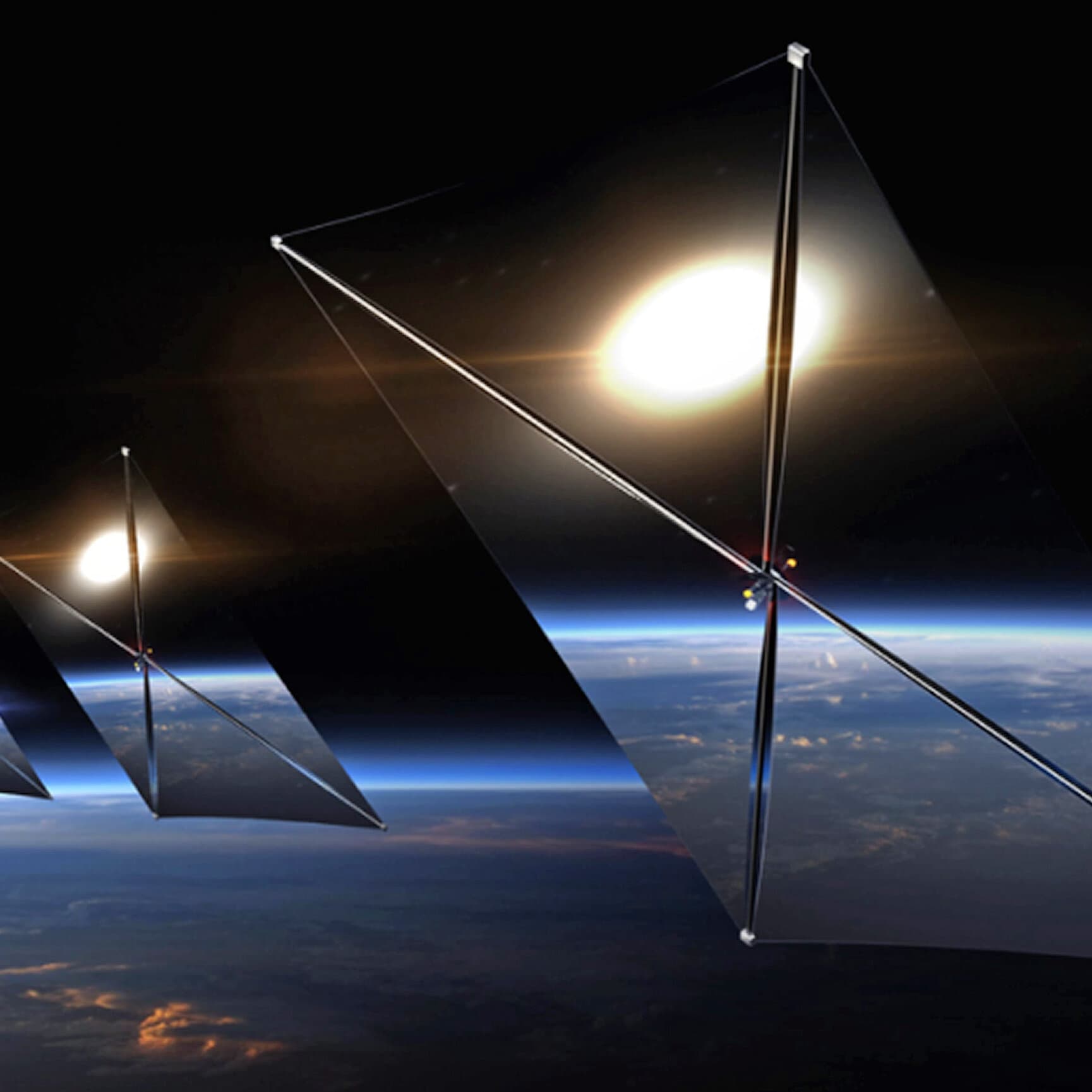
The FCC has granted permission for Reflect Orbital to test its Eärendil-1 satellite, which is designed to beam sunlight to Earth after dark. This decision allows the satellite to operate its radio equipment and aims to illuminate a three-mile-wide area on the planet. The approval follows Reflect Orbital's application submitted in July 2025, marking a significant step in the exploration of space-based solar technology.
Despite the potential benefits, the project has sparked considerable backlash from astronomers who are concerned about the impact of artificial lighting on the night sky. The debate centers around how such innovations could affect both natural darkness and scientific integrity in astronomical research.
The Context
Reflect Orbital's Eärendil-1 satellite is part of a broader exploration into space-based solar technology, which could offer innovative solutions for nighttime illumination. The project is particularly timely as cities seek sustainable energy alternatives and improved lighting solutions. However, the backlash from the astronomical community highlights the tension between technological advancement and the preservation of the natural environment.
Astronomers have raised alarms about the potential for increased light pollution, which could hinder their ability to conduct observations and research. As the satellite prepares for testing, the implications for both urban environments and scientific inquiry are becoming increasingly significant.
Takeaway
The approval of the Eärendil-1 satellite could lead to further developments in space-based solar technology, but it also poses challenges for nighttime visibility and astronomy. As the project progresses, it will be essential to monitor reactions from the astronomical community regarding the satellite's impact on the night sky.
Updates on the satellite's launch and operational testing will provide insights into how Reflect Orbital plans to address these concerns while advancing its innovative goals. Balancing technological advancements with the preservation of the natural night sky will be crucial for maintaining both innovation and scientific integrity.
Scientific research, space, environment, and health coverage.
"The New York Times is a globally recognized newspaper offering authoritative reporting with a center-left editorial stance."
— A47 Editor
F.C.C. Approves Test of Space Mirror to Light Night Sky Despite Outcry
The Federal Communications Commission (F.C.C.) has granted a start-up company permission to test a space mirror designed to reflect solar rays onto a three-mile-wide area of the dark side of Earth, effectively illuminating it during the night. This i...
Consumer technology news with AI coverage.
"Gadget and tech site reporting on AI in products."
— A47 Editor
FCC grants approval for sun-reflecting space mirror that's been widely criticized by astronomers
The Federal Communications Commission (FCC) has granted approval for Reflect Orbital's proposal to deploy a network of satellites designed to reflect sunlight at night, a project that has faced significant criticism from astronomers concerned about i...
Covers consumer technology, electronics, gadgets, and product reviews.
"Engadget is a trusted source for gadget reviews and consumer tech news, known for its hands-on analysis and industry coverage."
— A47 Editor
FCC grants approval for sun-reflecting space mirror that's been widely criticized by astronomers
The Federal Communications Commission (FCC) has granted approval for Reflect Orbital's proposal to deploy a network of satellites designed to reflect sunlight at night, a project that has faced significant criticism from astronomers concerned about i...
Tech news, hardware, and AI tools coverage.
"PC/tech site increasingly covering AI hardware and apps."
— A47 Editor
FCC approves giant mirror satellite designed to beam sunlight to Earth after dark
The Federal Communications Commission (FCC) has granted Reflect Orbital permission to operate its Eärendil-1 satellite, designed to test the feasibility of redirecting sunlight from orbit to specific locations on Earth. This approval marks a signific...