
US gas prices rise above $4 per gallon amid escalating geopolitical tensions
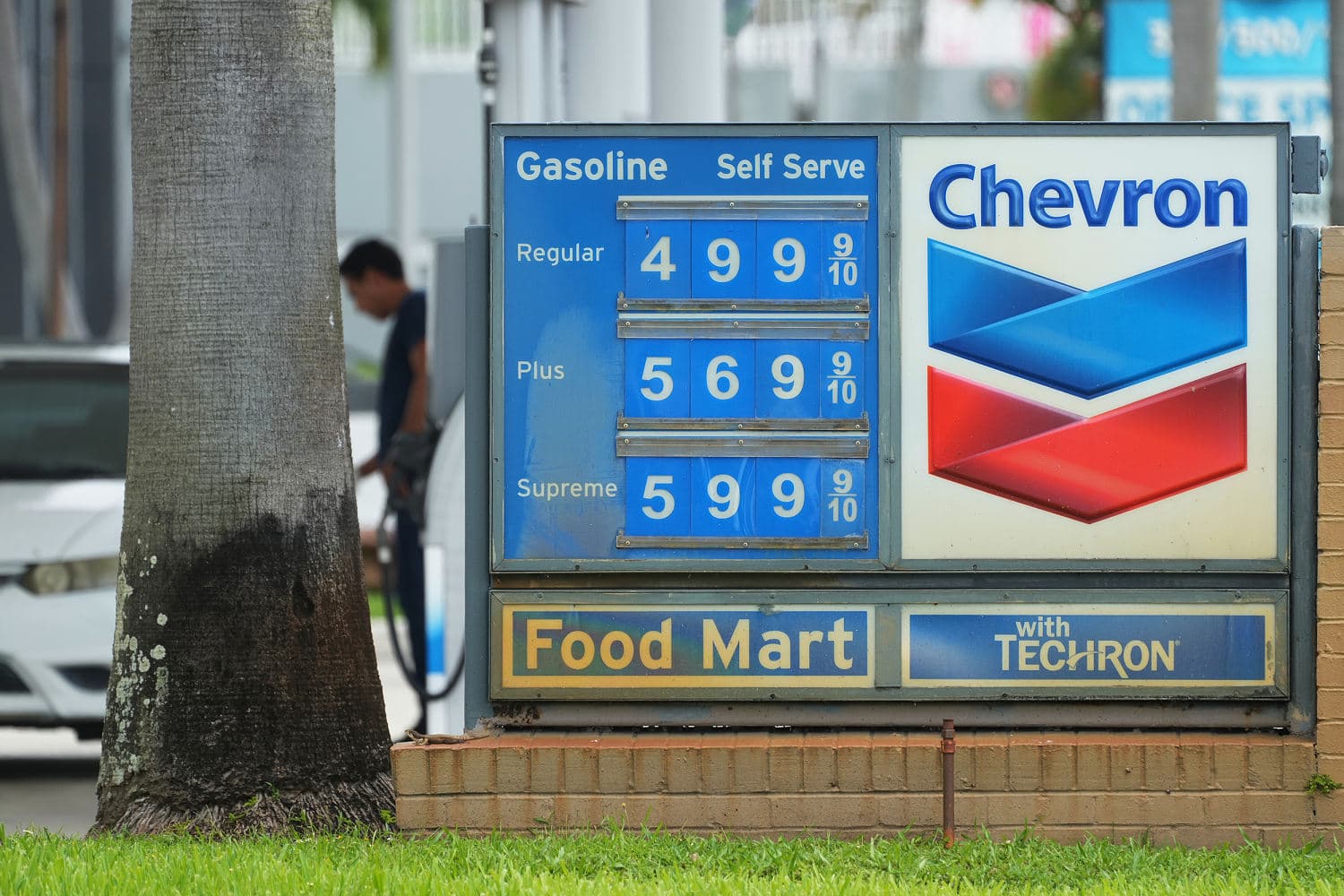
Here's what it means for you.
The recent surge in U.S. gas prices to over $4 per gallon signals a significant shift in the energy market, driven by geopolitical instability. Consumers can expect continued financial pressure at the pump, which may influence spending habits and overall economic activity. As tensions escalate, the volatility of fuel prices could lead to broader implications for inflation and consumer confidence.
What happened
The national average price for gasoline in the United States has risen above $4 per gallon once again. This increase follows a brief period of declining prices, which had been attributed to a deal between the U.S. and Iran. However, renewed conflicts involving Iran and ongoing tensions from the Ukraine-Russia war have disrupted energy markets, leading to a sharp rise in oil prices of over 15% in just the past week.
This resurgence in gas prices highlights the fragility of the energy market amid geopolitical tensions. As conflicts continue, consumers are likely to feel the impact at the pump, which could further strain household budgets.
The Context
A month ago, gas prices were lower, reflecting a temporary stabilization following diplomatic efforts between the U.S. and Iran. However, recent military conflicts have reignited fears of an energy crisis, underscoring the interconnectedness of global fuel supply and geopolitical events. The rise in gasoline prices is part of a broader energy crisis linked to global fuel shortages, which affects not only consumers but also businesses reliant on transportation.
The situation is further complicated by the ongoing Ukraine-Russia war, which continues to disrupt energy supplies and create uncertainty in the market. Stakeholders, including consumers, businesses, and policymakers, must navigate this volatile landscape as they respond to rising costs and potential supply chain disruptions.
Takeaway
As geopolitical tensions persist, the outlook for gas prices remains uncertain, suggesting that consumers may face continued financial pressure at the pump. It is crucial to monitor developments in the U.S.-Iran conflict and any changes in oil production that could impact supply chains. The potential for further escalation in conflicts could lead to additional volatility in fuel prices, affecting both consumer spending and the broader economy.
In the coming weeks, stakeholders should remain vigilant and prepared for fluctuations in gas prices as the situation evolves. Keeping an eye on energy market trends will be essential for understanding the implications for consumers and businesses alike.
Global markets, investing, and macroeconomics from a premier financial newsroom.
"Bloomberg is respected for in-depth financial reporting and data-driven analysis."
— A47 Editor
US Average Gasoline Prices Rise Above $4 a Gallon Again
Average gasoline prices in the U.S. have surged above $4 a gallon again, driven by escalating military tensions in the ongoing U.S.-Iran conflict, which has reignited concerns over energy supply and pricing. This increase follows a brief period of pr...
Markets, economy, and company analysis from NYT’s business desk.
"The New York Times is a globally recognized newspaper offering authoritative reporting with a center-left editorial stance."
— A47 Editor
U.S. Average Gas Price Returns to $4 a Gallon as Iran Crisis Escalates
The average gas price in the U.S. has surged back to $4 a gallon as tensions between the U.S. and Iran escalate, reversing a previous decline that followed a temporary peace deal aimed at stabilizing the Strait of Hormuz. This increase in gasoline pr...
National headlines across the United States including breaking stories and societal issues.
"NBC News is a mainstream media outlet known for comprehensive national and international news coverage with a centrist to slightly left-leaning editorial tone."
— A47 Editor
Gas prices hit $4 again after oil soars more than 15% in a week
The national average price for regular gasoline has reached $4 per gallon again, driven by a surge in oil prices which increased by more than 15% in just one week due to escalating tensions related to conflicts involving Iran and the ongoing Ukraine-...