
Shipping traffic through the Strait of Hormuz declines sharply amid U.S.-Iran hostilities
Here's what it means for you.
The recent decline in oil tanker traffic through the Strait of Hormuz signals significant disruptions in global oil supply chains. With shipping traffic halving, market participants should prepare for potential volatility in oil prices. The ongoing U.S.-Iran hostilities could lead to further escalations, impacting not only oil shipments but also broader economic stability. As tensions rise, stakeholders in the energy sector must closely monitor developments to mitigate risks associated with supply chain disruptions. The implications of these hostilities extend beyond immediate shipping concerns, potentially affecting global markets and energy policies.
What happened
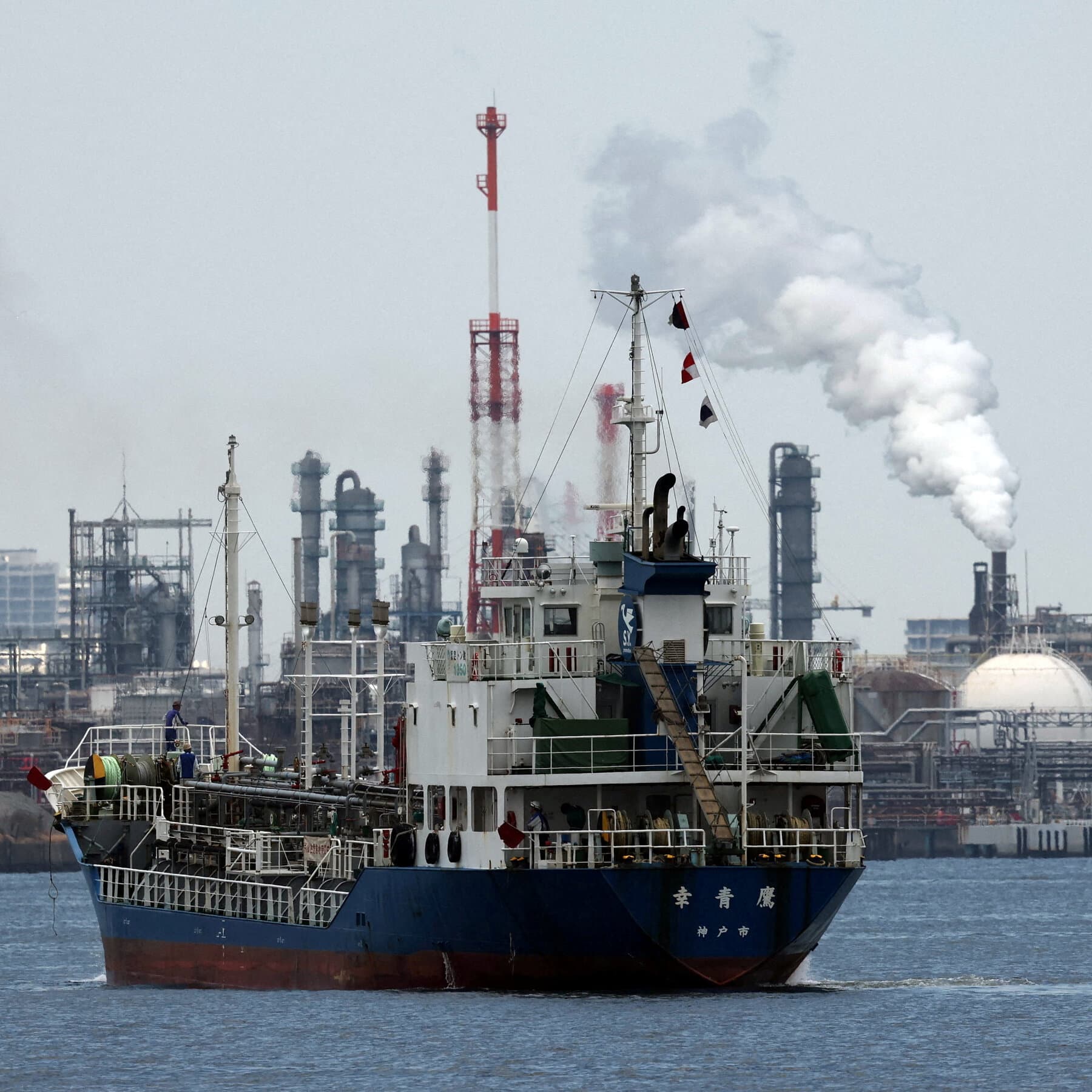
Oil tanker traffic through the Strait of Hormuz has sharply decreased amid renewed military confrontations between the U.S. and Iran. On July 9, the number of ships moving through the strait halved, with only two tankers reported to have sailed that day. This drastic reduction in shipping activity highlights the heightened risks for oil shipments in the region.
The decline follows U.S. airstrikes on Iran, which have prompted retaliatory actions from Tehran. The situation has created a near standstill in oil shipments, raising concerns about the stability of oil supplies in the international market.
The Context
The Strait of Hormuz is a critical chokepoint for global oil shipments, making the recent decline in traffic particularly concerning. The escalation of hostilities between the U.S. and Iran has intensified fears regarding the safety of oil tankers navigating this vital waterway. The crude supertanker Berg 1 was among the few vessels to successfully navigate the strait, despite being under U.S. sanctions.
As of July 9, 2026, the geopolitical landscape remains fraught with tension, and the potential for further military confrontations looms large. The implications of these developments extend beyond immediate shipping concerns, affecting global oil prices and supply chains.
Takeaway
The ongoing conflict between the U.S. and Iran is likely to continue disrupting oil shipments through the Strait of Hormuz. Market participants should remain vigilant as the situation evolves, with the potential for increased volatility in oil prices. Monitoring oil price fluctuations will be crucial as stakeholders assess the impact of these disruptions on global supply chains.
As tensions persist, the outlook for oil shipping remains uncertain, with the possibility of further escalations in hostilities. The energy sector must prepare for the ramifications of these developments, which could have lasting effects on market dynamics.
UAE-based newspaper covering Gulf politics, society, and international developments.
"Gulf News is one of the UAE’s most prominent English-language publications."
— A47 Editor
Ship traffic through Strait of Hormuz plunges as renewed US-Iran fighting jolts global shipping
Ship traffic through the Strait of Hormuz has sharply declined due to renewed hostilities between the United States and Iran, marked by recent airstrikes and missile attacks on commercial vessels. This escalation has created significant disruptions i...
A curated Gulf News feed featuring major stories across news, business, opinion, and lifestyle.
"Gulf News is a major UAE newspaper whose featured stories feed reflects a broad editorial mix shaped for a Gulf audience."
— A47 Editor
Ship traffic through Strait of Hormuz plunges as renewed US-Iran fighting jolts global shipping
Ship traffic through the Strait of Hormuz has sharply declined due to renewed hostilities between the United States and Iran, marked by recent airstrikes and missile attacks on commercial vessels. This escalation has created significant disruptions i...
Regional coverage and analysis focused on politics, diplomacy, and business across the Middle East.
"Al-Monitor is known for analytical reporting on Middle East politics and policy developments."
— A47 Editor
Oil tanker traffic through Hormuz at near standstill as attacks strain Iran truce
Oil tanker traffic through the Strait of Hormuz has nearly come to a halt, with only two tankers reported to have passed through as tensions escalate following renewed U.S. airstrikes on Iranian targets. This situation arises after missile attacks on...
Markets, economy, and company analysis from NYT’s business desk.
"The New York Times is a globally recognized newspaper offering authoritative reporting with a center-left editorial stance."
— A47 Editor
Oil Prices Remain Elevated Amid Shipping Traffic Slowdown in Strait of Hormuz
Oil prices remain elevated as recent data reveals that the number of ships traversing the Strait of Hormuz has halved amid renewed fighting, highlighting ongoing tensions in this critical maritime route.