
Colossal Biosciences unveils artificial egg technology for de-extinction efforts
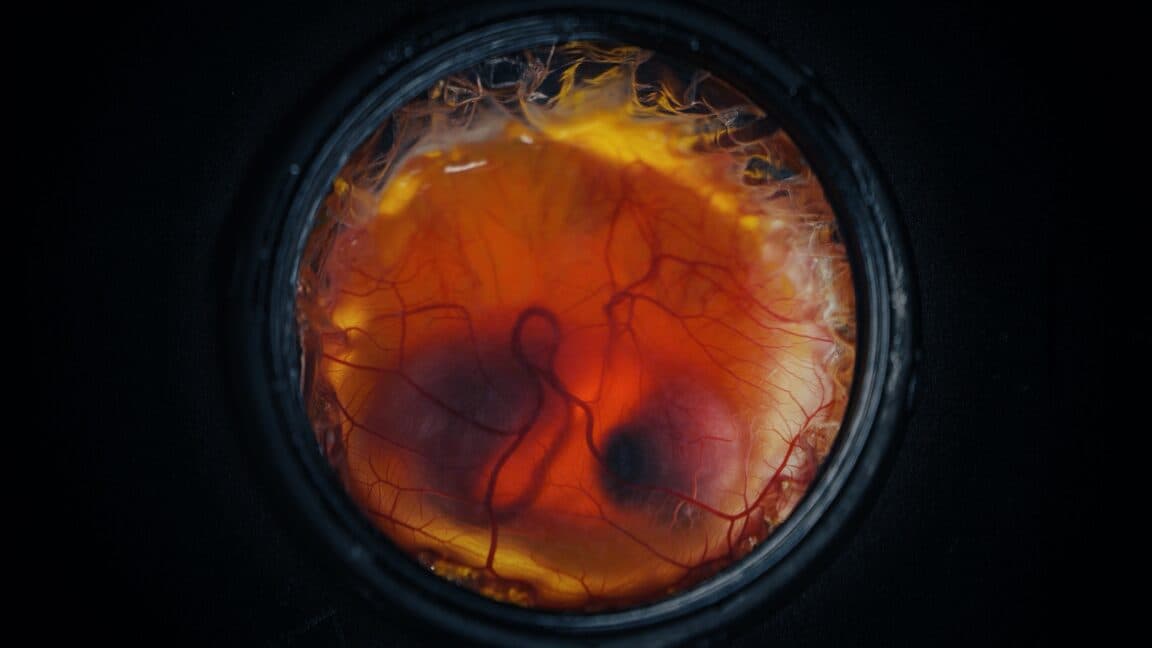
Here's what it means for you.
Colossal Biosciences' introduction of a 3D-printed artificial egg marks a pivotal moment in the ongoing discourse surrounding de-extinction. This innovation could reshape conservation strategies and developmental biology, potentially offering new avenues for species revival. However, the skepticism from experts highlights the need for a cautious approach to the ethical and ecological implications of such technologies. As the scientific community grapples with the feasibility of de-extinction, this development may influence policy discussions and funding priorities in conservation efforts. Stakeholders must weigh the potential benefits against the risks associated with resurrecting extinct species.
What happened
Colossal Biosciences has announced the development of a groundbreaking artificial egg designed to facilitate the growth of chickens. This 3D-printed structure aims to support de-extinction initiatives by providing a novel method for nurturing chicks without traditional eggs. The unveiling of this technology has sparked significant interest and debate within the scientific community.
While the artificial egg represents a significant technical achievement, experts have expressed skepticism regarding the overall feasibility of de-extinction. The ongoing discussions emphasize that the science behind resurrecting extinct species is still largely theoretical and may not adequately address the ecological challenges involved.
The Context
Colossal Biosciences is at the forefront of de-extinction technology, pushing the boundaries of what is possible in species revival. The introduction of the artificial egg comes at a time when the scientific community is increasingly questioning the practicality and ethics of de-extinction efforts. This technology could have far-reaching implications not only for conservation but also for the field of developmental biology.
As advancements in artificial reproductive technologies continue, the intersection of these innovations with conservation efforts will be closely monitored. The timing of this announcement is crucial, as it coincides with a growing interest in sustainable practices and biodiversity preservation.
Takeaway
The development of artificial eggs by Colossal Biosciences could pave the way for future advancements in both de-extinction and developmental biology. As the technology evolves, it will be essential to address the ethical and ecological concerns that accompany such innovations. The scientific community will likely focus on the potential ecological impacts of resurrecting extinct species and the broader implications for conservation strategies.
Looking ahead, stakeholders will need to engage in thoughtful discussions about the balance between technological progress and environmental responsibility. The outcomes of these conversations may shape the future of conservation efforts and the viability of de-extinction as a concept.
Science and technology stories including AI.
"Longstanding science magazine with thoughtful AI coverage."
— A47 Editor
Start-up reveals ‘artificial egg’ to resurrect extinct birds, but scientists say the work misses the point
Colossal Biosciences has introduced an 'artificial egg' aimed at resurrecting extinct birds, a concept that has sparked debate among scientists regarding the feasibility and implications of de-extinction efforts. While the technology represents a not...
Scientific research, technology, environment, and society.
"Scientific American is one of the oldest and most authoritative science magazines, known for deep dives into science, technology, and society."
— A47 Editor
Start-up reveals ‘artificial egg’ to resurrect extinct birds, but scientists say the work misses the point
Colossal Biosciences has introduced an 'artificial egg' aimed at resurrecting extinct birds, a concept that has sparked debate among scientists regarding the feasibility and implications of de-extinction efforts. While the technology represents a not...
In-depth reporting on tech, policy, and science including AI.
"Respected analysis for technically savvy readers, including AI topics."
— A47 Editor
Chickens without eggs? De-extinction company creates artificial egg.
Colossal, a de-extinction company, has developed an artificial egg, which may provide significant insights into developmental biology. This innovation raises questions about the future of avian reproduction and the potential for reviving extinct spec...
In-depth coverage of hardware, software, science, and policy.
"Ars Technica provides expert technology news, hardware reviews, and analysis for a technically savvy audience."
— A47 Editor
Chickens without eggs? De-extinction company creates artificial egg.
Colossal, a de-extinction company, has developed an artificial egg, which may provide significant insights into developmental biology. This innovation raises questions about the future of avian reproduction and the potential for reviving extinct spec...
Reporting on emerging tech including AI.
"Magazine covering AI’s business and social impacts."
— A47 Editor
The Download: fully artificial chicken eggs and why Musk lost
Colossal Biosciences has made a significant breakthrough by successfully growing baby chicks inside transparent 3D-printed artificial eggshells at its Dallas headquarters. This innovative approach aims to create fully artificial chicken eggs, which c...