
ECB Signals Further Interest Rate Hikes to Combat Inflation
Here's what it means for you.
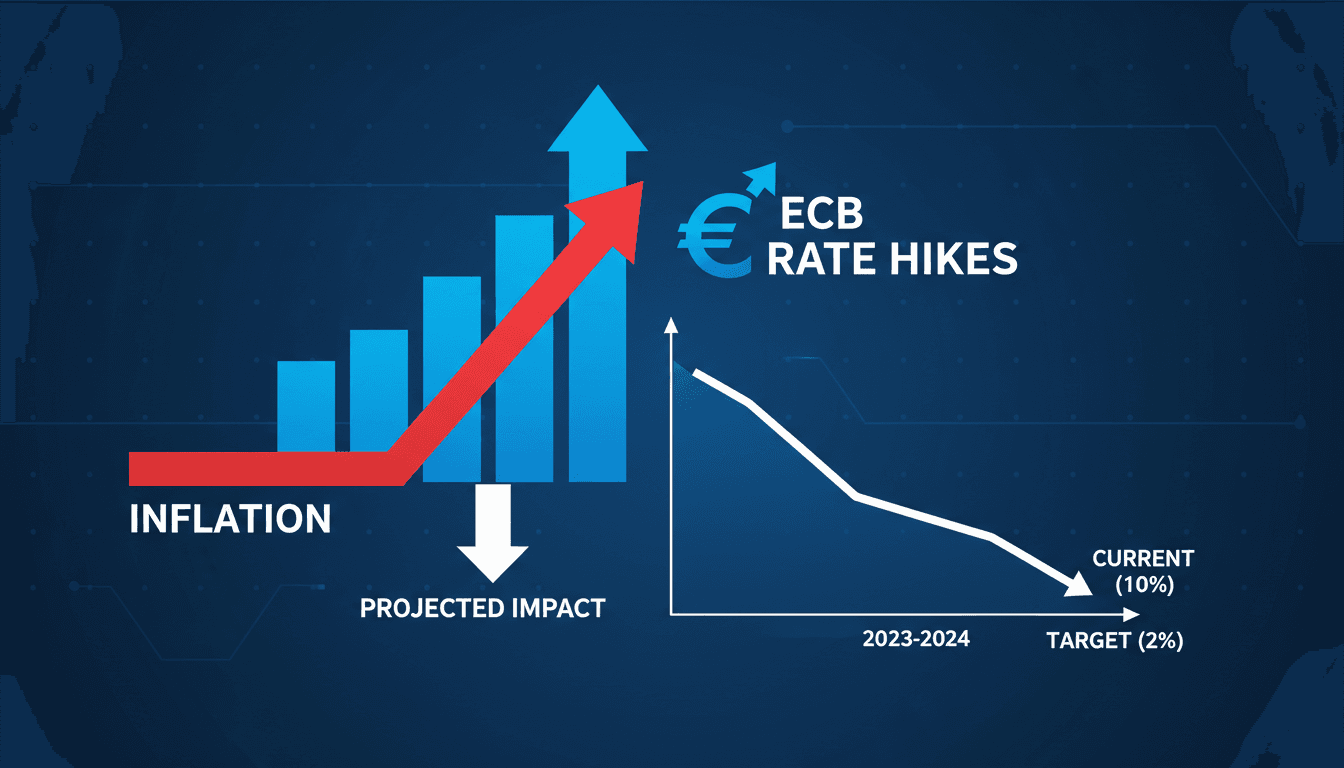
The European Central Bank's (ECB) decision to raise interest rates is a significant move aimed at controlling inflation, which currently exceeds the target of 2%. This tightening of monetary policy is expected to have widespread implications for businesses and consumers alike, as borrowing costs may rise. Stakeholders should prepare for potential shifts in economic conditions across the Eurozone as the ECB implements these changes. As energy prices continue to exert upward pressure on inflation, the ECB's proactive stance reflects a commitment to maintaining price stability. This approach may influence investment strategies and consumer spending patterns in the near future.
What happened
Isabel Schnabel, a member of the ECB executive board, announced that further interest rate hikes are necessary to achieve the inflation target of 2% in the medium term. This decision comes in response to ongoing pressures from rising energy prices, which have prompted the ECB to tighten its monetary policy. The central bank's commitment to addressing inflation indicates a strategic focus on stabilizing the Eurozone economy.
The ECB's plans to raise interest rates signal a decisive action against persistent inflationary trends. Schnabel's remarks underscore a consensus within the ECB regarding the need for continued rate hikes to combat these economic challenges.
The Context
Inflation in the Eurozone remains above the ECB's target of 2%, driven largely by escalating energy prices. This situation has created a pressing need for tighter monetary policy to rein in inflation and restore price stability. The ECB's actions are crucial for maintaining economic confidence among consumers and investors.
The timing of Schnabel's announcement on June 25, 2026, aligns with the ECB's ongoing efforts to navigate complex economic conditions. As the central bank grapples with these challenges, its decisions will be closely monitored by market participants and policymakers alike.
Takeaway
Looking ahead, stakeholders should keep an eye on upcoming ECB meetings for potential announcements regarding further rate hikes. Economic indicators related to inflation and energy prices will also be critical in assessing the effectiveness of the ECB's monetary policy. The central bank's commitment to raising interest rates reflects a proactive approach to managing inflation amid ongoing economic pressures.
As the ECB continues to navigate these challenges, the implications for the Eurozone economy will be significant, influencing both market dynamics and consumer behavior.
Pan-Arab news coverage spanning politics, business, sports, and regional affairs.
"Asharq Al-Awsat reflects a broad Arab editorial perspective with strong attention to regional geopolitics."
— A47 Editor
مسؤول في «المركزي الأوروبي»: وقف إطلاق النار لا يكفي لوقف رفع الفائدة
Isabel Schnabel, a member of the European Central Bank's governing council, stated that the bank will need to continue tightening its monetary policy due to ongoing pressures from energy prices. This indicates that despite any ceasefire or stabilizat...
Global political, business, and cultural coverage from WSJ international desks.
"The Wall Street Journal offers extensive international reporting with a reputation for financial insight and a center-right editorial stance."
— A47 Editor
ECB Will Need to Raise Interest Rates Again, Schnabel Says
European Central Bank (ECB) executive board member Isabel Schnabel indicated that further interest rate hikes are necessary to achieve the inflation target of two percent over the medium term. This statement underscores the ECB's commitment to contro...
Macro commentary, policy analysis, growth/inflation themes, and global outlooks.
"Contextual macro coverage that complements day-to-day market headlines."
— A47 Editor
ECB will need to raise rates further, Schnabel says
Isabel Schnabel, a member of the European Central Bank (ECB) Executive Board, stated that the ECB will need to raise interest rates further to combat ongoing inflationary pressures. This assertion comes amid rising concerns about economic stability i...