
US Gas Prices Drop Below $4 Following US-Iran Agreement to Reopen Strait of Hormuz
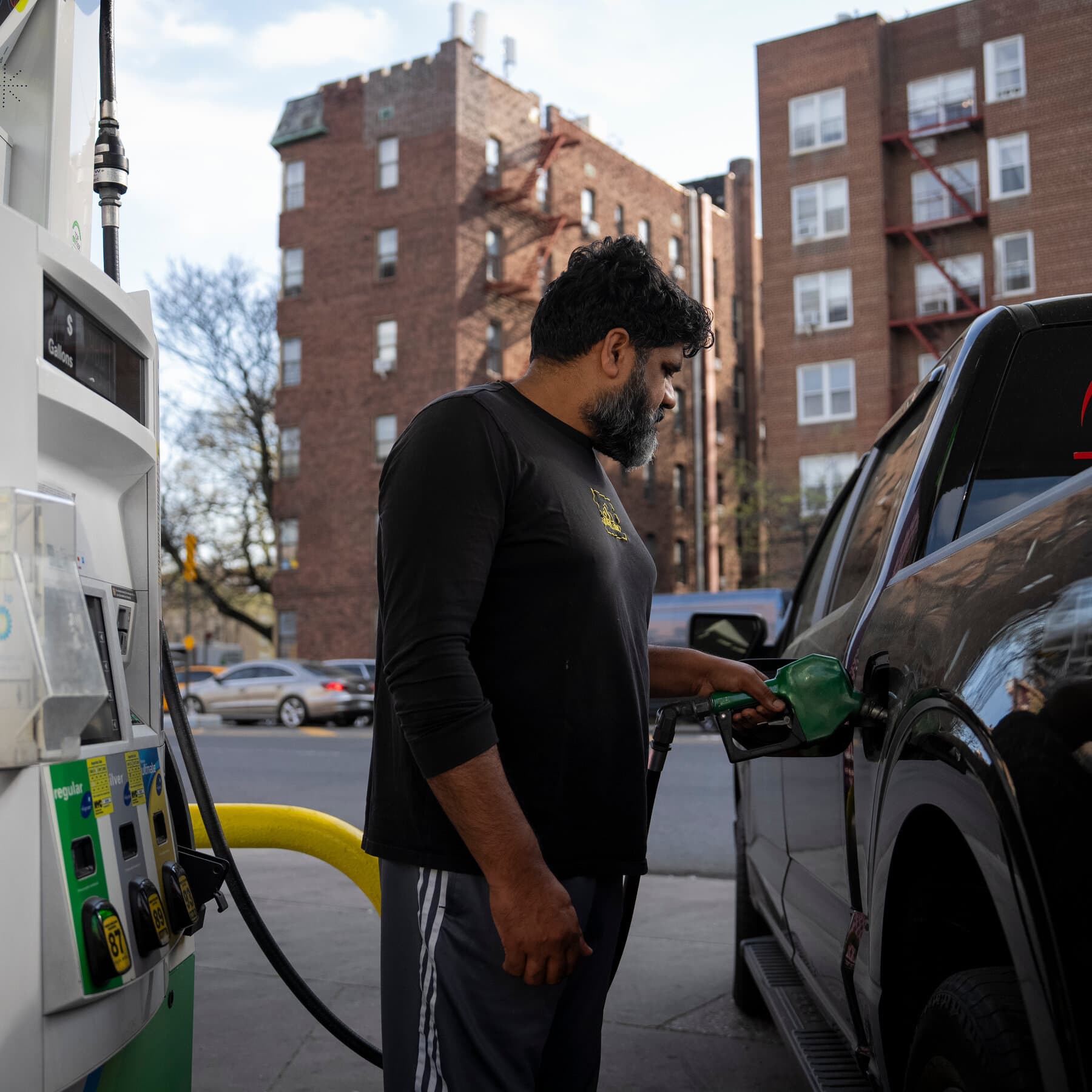
Here's what it means for you.
The recent agreement between the U.S. and Iran to reopen the Strait of Hormuz has led to a significant drop in gasoline prices, now averaging $3.99 per gallon. This decline offers relief to consumers who have faced rising costs due to geopolitical tensions earlier this year. As gas prices stabilize, there is potential for improved economic conditions, which could positively impact consumer spending and overall market health. The reopening of this critical oil supply route signals a shift in the energy market, suggesting that prices may continue to decrease. This development is crucial for both consumers and businesses that rely on stable fuel costs for operations.
What happened
Gas prices in the United States have fallen to an average of $3.99 per gallon following a recent agreement between the U.S. and Iran to reopen the Strait of Hormuz. This marks a significant decrease from the peak prices experienced earlier this year, which exceeded $4.50 in May. The agreement aims to stabilize oil supply routes that had been disrupted due to geopolitical tensions.
The price drop is a direct response to the easing of these tensions, providing much-needed relief to consumers. As oil prices have slid following the announcement of the Iran deal, the energy market is showing signs of stabilization.
The Context
Gas prices had risen sharply earlier this year due to escalating geopolitical tensions and the U.S.-led conflict with Iran. The agreement to reopen the Strait of Hormuz is a pivotal moment, as this waterway is essential for global oil transportation. The timing of this agreement is critical, as it comes after months of uncertainty that had driven prices to record highs.
The implications of this agreement extend beyond just gas prices; it reflects a broader effort to stabilize the energy market. Stakeholders, including consumers and businesses, are closely monitoring the situation as it unfolds, recognizing the potential for improved economic conditions.
Takeaway
The recent agreement may lead to further stabilization in gas prices and market conditions. As the energy market adjusts to the reopening of the Strait of Hormuz, consumers can expect more predictable fuel costs in the near future. It will be important to monitor the ongoing impact of this agreement on oil supply and prices.
Additionally, fluctuations in the stock market may occur as gas prices stabilize, affecting various sectors. Observers should keep an eye on these developments to gauge the broader economic implications.
Business and tech news excluding paywalled content.
"High-volume business/tech outlet with frequent AI coverage."
— A47 Editor
Gas prices drop below $4 a gallon for the first time in months
As of Thursday morning, the average cost of a gallon of gas in the US has dropped to $3.99, marking a significant decrease from a peak of over $4.50 in May. This decline in gas prices represents the first time in months that prices have fallen below ...
Markets, economy, and company analysis from NYT’s business desk.
"The New York Times is a globally recognized newspaper offering authoritative reporting with a center-left editorial stance."
— A47 Editor
Average U.S. Gas Price Falls Below $4 After U.S.-Iran Agreement
The average gasoline price in the United States has fallen below $4 per gallon following a recent agreement between the U.S. and Iran to reopen the strategically important Strait of Hormuz. This development comes after a period of rising prices linke...
Markets desk coverage, trading insights, and investor updates.
"WSJ’s markets reporting provides in-depth analysis and context for investors."
— A47 Editor
Stock Market Today: Stocks Set for Rebound, Gasoline Prices Fall Below $4
The stock market is poised for a rebound as U.S. stocks jumped following the announcement of an interim peace deal between the United States and Iran, which aims to reopen the strategically significant Strait of Hormuz. Concurrently, gasoline prices ...