
Iranian Hackers Target Los Angeles Transit System in Major Cyberattack
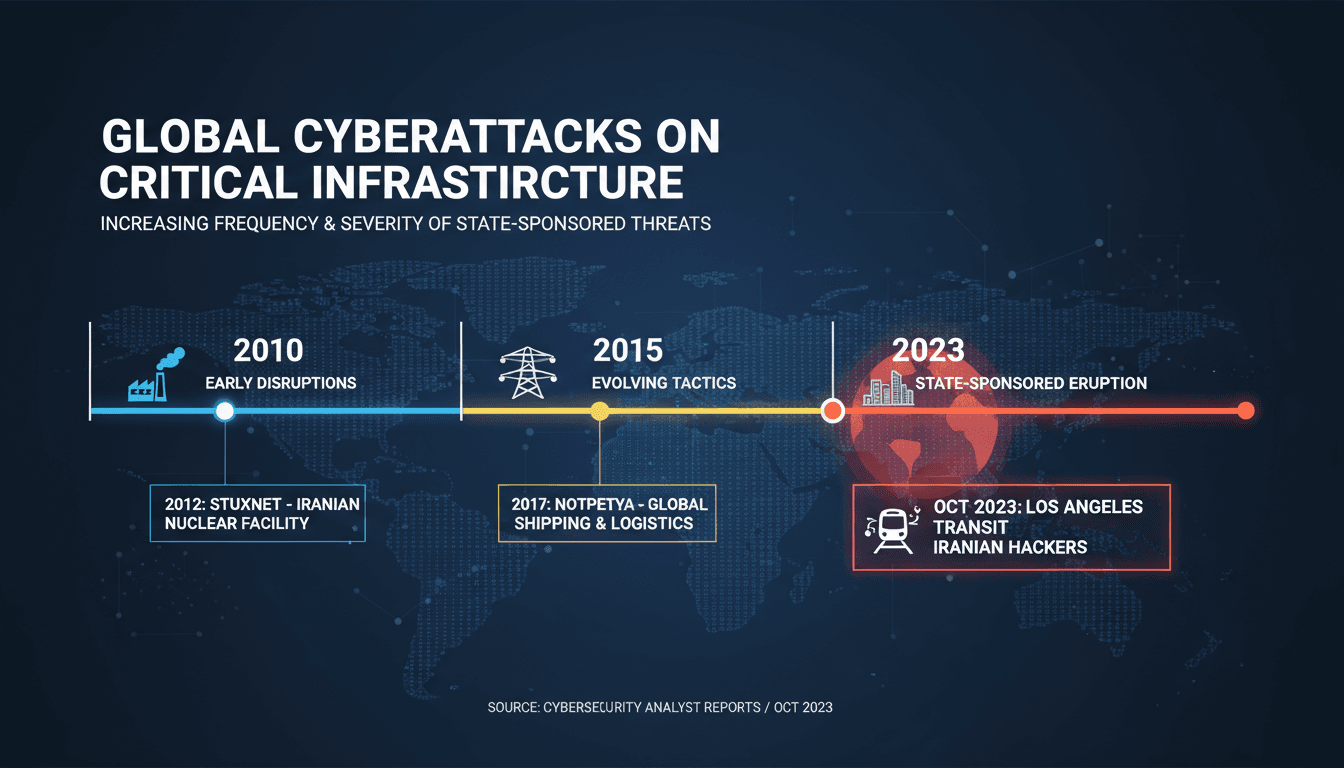
Here's what it means for you.
The recent cyberattack on the Los Angeles transit system highlights the urgent need for enhanced cybersecurity measures across critical infrastructure. As state-sponsored cyber threats become more prevalent, organizations must prioritize their defenses to protect against potential disruptions. This incident serves as a wake-up call for policymakers and industry leaders to collaborate on robust security frameworks. The implications extend beyond immediate operational concerns, affecting public safety and national security. Stakeholders must remain vigilant and proactive in addressing vulnerabilities to mitigate future risks.
What happened
The Los Angeles transit system experienced a significant cyberattack attributed to Iranian hackers, specifically linked to a government-backed group. This breach caused extensive disruption and took weeks for the transit system to recover fully. The attack was reported to have occurred in March 2026, with Israeli cybersecurity firms identifying the Iranian government as the likely perpetrator.
The incident has raised concerns about the involvement of state-sponsored actors rather than independent hacktivists. A fake hacktivist persona named Ababil of Minab was linked to the attack, further complicating the narrative surrounding the breach.
The Context
This cyberattack is set against a backdrop of rising geopolitical tensions involving Iran, which has increasingly been associated with state-sponsored cyber activities. The breach reflects a troubling trend of escalating cyber threats targeting public infrastructure, raising alarms among security experts and government officials alike.
The timing of the attack coincides with a broader pattern of cyber warfare, where critical infrastructure becomes a focal point for state-sponsored aggression. As organizations grapple with these evolving threats, the need for comprehensive cybersecurity strategies has never been more pressing.
Takeaway
This incident underscores the growing threat of state-sponsored cyberattacks on critical infrastructure. Organizations must enhance their defenses and prepare for potential future attacks, particularly from state-sponsored actors.
In the coming months, it will be crucial to monitor developments in cybersecurity measures across transit systems and other critical sectors. Additionally, the potential for retaliatory actions from affected nations may shape the geopolitical landscape, warranting close attention from analysts and policymakers.
Consumer tech news, reviews, and buying guides for gadgets and electronics.
"TechRadar is known for comprehensive buying advice, hardware reviews, and consumer tech news targeted at mainstream audiences."
— A47 Editor
Los Angeles transit system hack blamed on Iranian attackers - but they might not have worked alone
The Los Angeles transit system recently experienced a significant cyberattack, which researchers attribute to Iranian government-backed hackers, suggesting a potential state-sponsored motive rather than the actions of independent hacktivists.
Startup news with frequent AI coverage.
"Covers launches, funding, and product updates in AI."
— A47 Editor
Iranian hackers blamed for breach of Los Angeles transit system that took weeks to recover
Iranian hackers, identified as operating under the fake persona Ababil of Minab, have been blamed for a significant breach of the Los Angeles transit system, which reportedly took weeks to recover from, according to an Israeli cybersecurity firm.
Pan-Arab news coverage spanning politics, business, sports, and regional affairs.
"Asharq Al-Awsat reflects a broad Arab editorial perspective with strong attention to regional geopolitics."
— A47 Editor
شركة إسرائيلية: قراصنة إيرانيون اخترقوا نظام النقل في لوس أنجليس بأميركا
An Israeli cybersecurity company has claimed that Iranian hackers were responsible for a cyber breach that occurred in March in Los Angeles, targeting the city's transportation system. This incident highlights ongoing cybersecurity threats and geopol...